




Ford Keeps Drivers Alert and Away from Danger
Ford is taking a proactive approach to safety with technologies to help drivers avoid accidents before they occur.
Historically, the focus in vehicle safety has been on “passive” systems — safety belts, airbags, and crumple zones. Developing technologies aim to prevent accidents from occurring. Ford is working on precollision accident mitigation and avoidance to address crashes involving such factors as driver distraction and fatigue. Developed jointly by the Ford/Volvo advanced safety engineering teams, new technologies such as Driver Alert Control, Adaptive Cruise Control, and Collision Mitigation by Braking will be available initially on select Volvo products. Plans to cascade these features to other Ford Motor Company products are in progress.
Protect Against Drowsy Driving
According to government studies, driver fatigue is a major traffic safety problem. Driver Alert Control (DAC) is a worldwide passenger vehicle first, primarily designed to help drivers maintain concentration across a wide spectrum of driving conditions. The system begins monitoring at 40 mph and stays active as long as vehicle speed exceeds 37 mph. Once activated, DAC assesses vehicle movement and determines how well the vehicle is tracking within its lane.
“We do not monitor human behavior, but instead the effect that fatigue or decreased concentration has on driving behavior. It gives a reliable indication if something is likely to go wrong and alerts the driver before it is too late,” explains Daniel Levin, project manager for Driver Alert Control at Volvo Cars.
DAC consists of a camera, sensors, and control unit. The camera is installed between the windshield and the interior rear-view mirror and continuously measures the distance between the car and the road lane markings. Once the sensors register the vehicle’s movement, the control unit then stores the information. Depending on DAC’s assessment of vehicle movement, the driver may receive an audible signal alert and a warning message in the vehicle’s information display. The driver can also retrieve driving information from the vehicle’s trip computer. (The starting-point is five bars. The less consistent the driving, the fewer bars remain.)
Cruise On By
Another available option is Adaptive Cruise Control (ACC). The control module, mounted at the front of the vehicle, uses radar technology once limited to the aerospace industry.
First launched in automobiles by Jaguar in 1999, ACC maintains cruise speed similar to conventional cruise control, but also helps maintain distance from the vehicle ahead. By operating the throttle and brake systems, the customerselected minimum headway gap is preserved in uneven traffic flow conditions.
Although ACC is a convenience rather than a safety feature, this system enables several other safety features such as Collision Mitigation by Braking (CMbB).
CMbB is designed to help drivers avoid collisions or reduce the severity of a crash. Based on speed and relative distance of objects ahead, CMbB assesses the potential for a collision and provides visual and audible alerts. Drivers can adjust the distance and warning settings, but if the CMbB system identifies an imminent threat that is not responded to, it will automatically precharge or even apply brake force to aid the driver..
More Safety
The Safest Fleets Aren’t the Ones with the Most Technology
You’ve made the telematics investment. Here’s how to capture the other half of its value and build the safest fleet on the road.
Read More →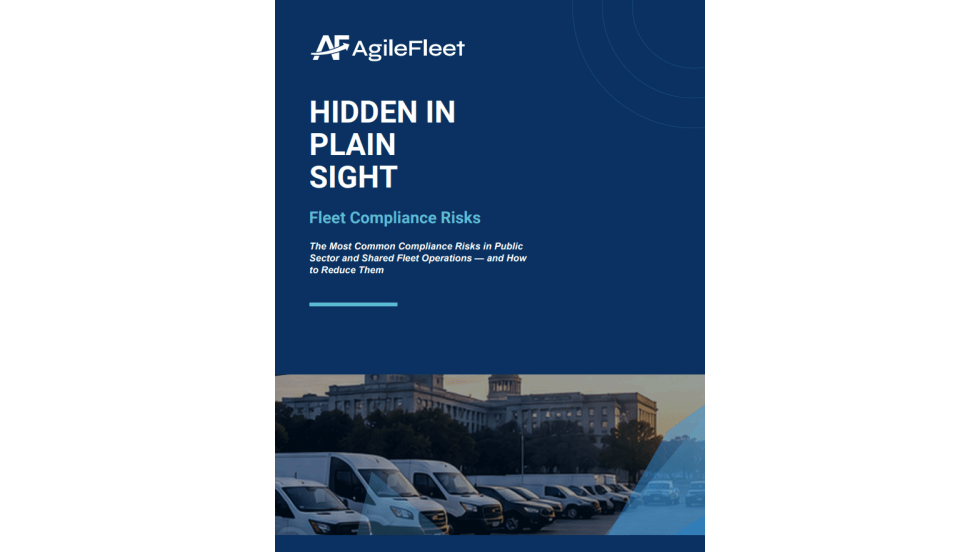
Hidden in Plain Sight: Fleet Compliance Risks
Fleet compliance isn't just about having policies — it's about consistently enforcing them. This practical guide reveals six hidden compliance risks common in public sector and shared fleet operations and outlines proven strategies to improve visibility, accountability, and audit readiness
Read More →
NETS Sets 2026 Fleet Safety Benchmark Conference for Indianapolis
The Sept. 15–17 program will feature fleet benchmarking data, case studies, emerging technologies, and implementation strategies while running alongside the NSC Safety Congress & Expo.
Read More →
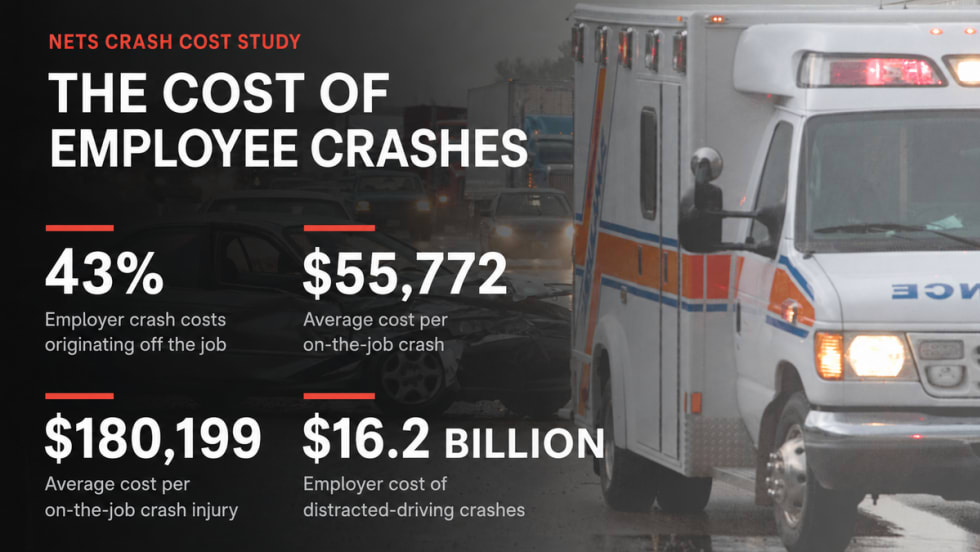
Off-the-Job Crashes Account for 43% of Employers’ $61.7 Billion Crash Burden
NETS quantifies costs dispersed across fleet, risk, HR, and other departments while providing new per-crash benchmarks for employers.
Read More →
Ram Recalls More Than 1.27 Million 1500 Pickups for Seat Belt Anchor Issue
The recall affects certain 2019-2026 Ram 1500 pickups that may have improperly attached second-row seat belt buckle anchors.
Read More →
How Better Visibility Cut Speeding Violations by 48%
Fleet leaders don't need more data, they need clearer visibility into what the data is saying. This case study explores how one utility replaced speeding-event counts with a single metric — miles driven in violation — to strengthen safety and significantly reduce speeding violations.
Read More →
Operation Safe Driver Week: Why the Industry's Oldest Safety Campaign Still Matters to Fleets
A look at how a 2007 enforcement initiative became one of the most consequential weeks on the fleet safety calendar, and what it means for your drivers in 2026.
Read More →
Nexar-Nauto Merger Aims to Give Fleets Better Safety Intelligence Through Larger Driving Dataset
Stefan Heck tells Automotive Fleet that combining more than 10 billion miles of driving history with Nexar's AI models will give fleets deeper insights into driver risk and roadway conditions than either company could provide independently.
Read More →
From Silos to Solutions: Relationship Management for Safer Fleets
From telematics adoption and driver accountability to policy consistency and risk mitigation, this episode breaks down what it really takes to build a safer fleet culture without slowing business down.
Read More →
IIHS Launches First Commercial Vehicle Safety Evaluations
The Insurance Institute for Highway Safety has begun evaluating heavy-duty pickups and cargo vans for driver protection. Which models earned top marks?
Read More →