




Ford Charges Up for the Transit Connect Electric
Drawing on the success of the Transit Connect, Ford Motor Company will release a battery-powered version of the commercial vehicle to help fleets lower operating costs.

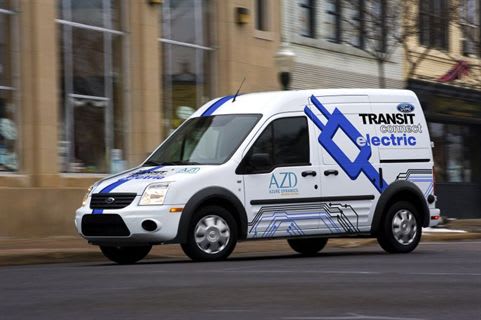
In collaboration with Azure Dynamics Corp. and Johnson Controls-Saft, Ford Motor Co. is launching a zero-emissions option of the award-winning light-duty Transit Connect, voted 2010 North American Truck of the Year.
Ford unveiled the 2011 Transit Connect Electric at the Chicago Auto Show in February. The commercial van is the first of four electrified vehicles the automaker plans to roll out within the next three years in the U.S. and Canada under its One Ford global product vision.
Debuting a New Drivetrain
Badged with both the Ford Blue Oval and Azure Dynamics’ (AZD) Force Drive logos, the Transit Connect Electric is designed to offer fleets the opportunity to lower operating costs by eliminating the use of gasoline. Unlike the gasoline-engine Transit Connect, the battery-powered vehicle will offer a payload of 1,000 lbs., 600 lbs. less than the current model’s 1,600 lbs.
Ford is no stranger to AZD, a company responsible for developing hybrid-electric and electric-drive technology for shuttle buses and commercial trucks for more than 20 years. AZD has provided the Balance Hybrid-Electric drive system to Ford’s E-450 cutaway and strip chassis for the medium-duty commercial vehicle segment.
For the new Transit Connect Electric, AZD provides its Force Drive battery-electric drivetrain. Further, the Transit Connect Electric, rechargeable using either 240-volt or standard 120-volt outlets, offers a targeted range of 80 miles on a full charge with top speed of 75 mph and zero tailpipe emissions, according to the company.
AZD asked Johnson Controls-Saft to provide lithium-ion battery cells and battery packs for the vehicle. Ford has already used Johnson Controls-Saft technology in other vehicles, such as the Ford Escape plug-in hybrid. Recharging the Transit Connect Electric will take 6-8 hours, according to Ford.
Safety & Maintenance Key
Designed for fleets that travel predictable short-range routes in urban and suburban environments, the Transit Connect Electric offers more than 135 cubic feet of cargo space and can carry items up to 6 feet long, 4.9 feet wide, and 4.7 feet high. Split rear cargo doors open at a standard 180 degrees or an optionally available 255 degrees.
Power-assisted rack-and-pinion steering allows a 39-foot curb-to-curb turning circle for maneuverability in tight urban spaces. The low side and rear load floor facilitate cargo handling.
The Ford Transit Connect Electric comes standard with power front disc brakes, rear drum brakes, and four-wheel ABS. Included as additional standard equipment is a tire pressure monitoring system (TPMS), which alerts drivers when a mounted road tire drops below a certain pressure.
Bulkheads, racks, bins, and other upfits can be mixed, matched, and configured to suit specific commercial applications and needs.
Connecting to Fleets
AZD announced in March that AT&T would be among the first commercial customers of the Transit Connect Electric, adding two of the first models to its growing fleet of alternative-fuel vehicles later this year.
The Ford Transit Connect has already proven a hit among a number of fleets since its launch, with customers such as KONE, DTE Energy, Ambius, and ThyssenKrupp implementing the pickup truck alternative in the past year.
More Green Fleet
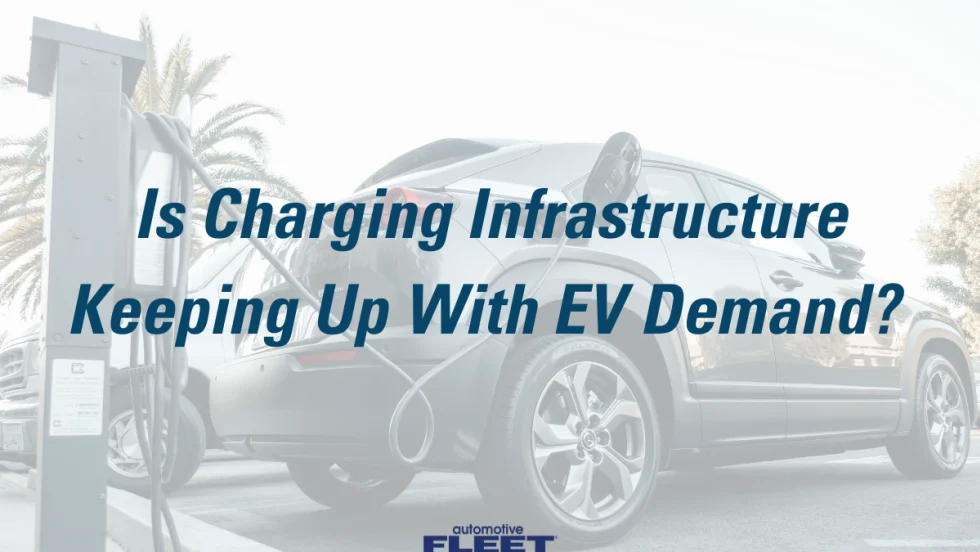
EV Charging Use Is Outpacing Infrastructure Growth
ChargePoint’s 2026 Charging Forward Report points to rising charger use, higher-powered charging, commercial vehicle electrification, and energy-management technology. Here’s what fleets should know.
Read More →
Merchants Fleet Reports 290M EV Miles as Fleets Navigate Changing Electrification Market
From millions in operating savings to hundreds of millions of EV miles, Merchants Fleet’s latest report reveals what’s working and what’s changing in fleet electrification.
Read More →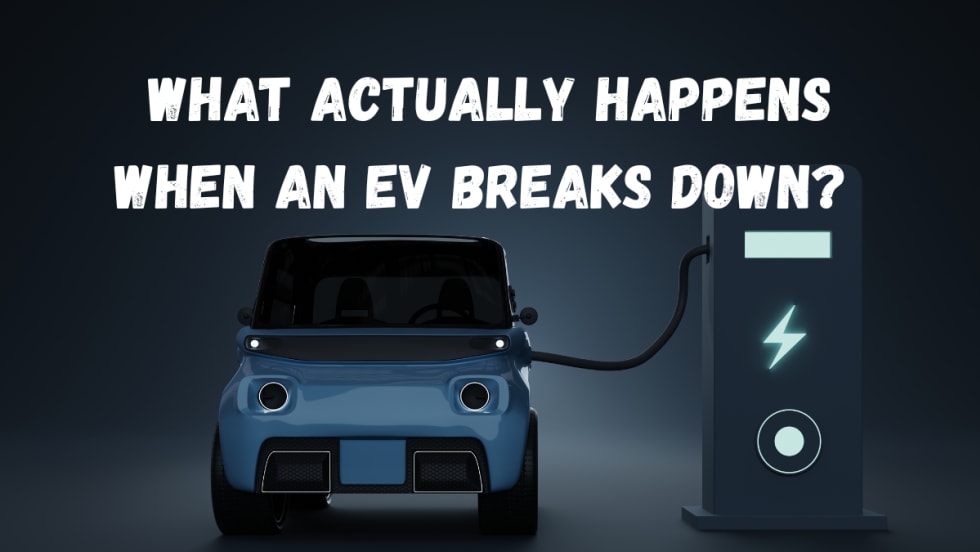
The EV Breakdown Nobody's Talking About: Why Most Electric Vehicle Roadside Calls Aren't Mechanical Failures
Here's why EV breakdowns are widely misunderstood.
Read More →
ChargePoint Now Available in Energy Pass
ChargePoint and additional planned charging network integrations were added to GM's Energy Pass.
Read More →
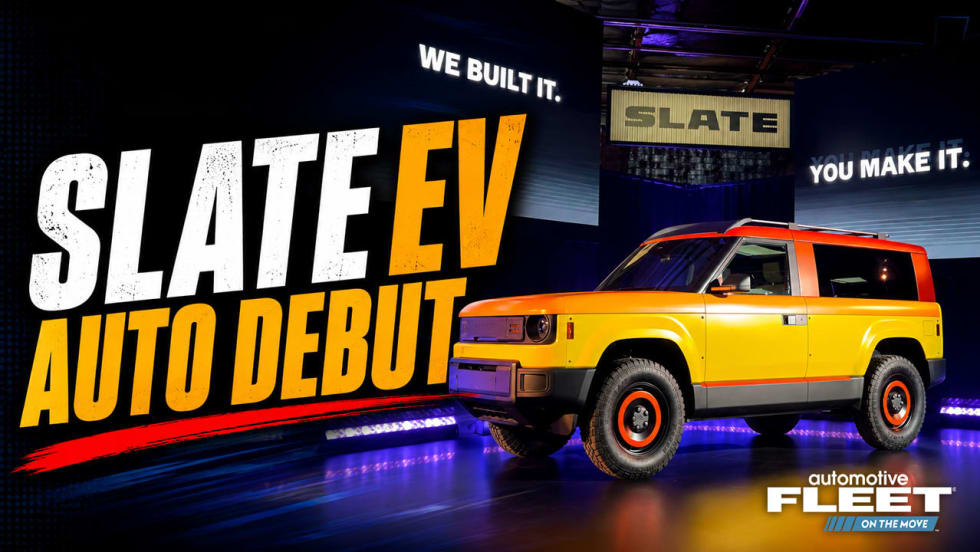
First Look: Slate Auto's Electric Fleet Pickup
Could an affordable, modular EV pickup make electrification more practical for fleets?
Read More →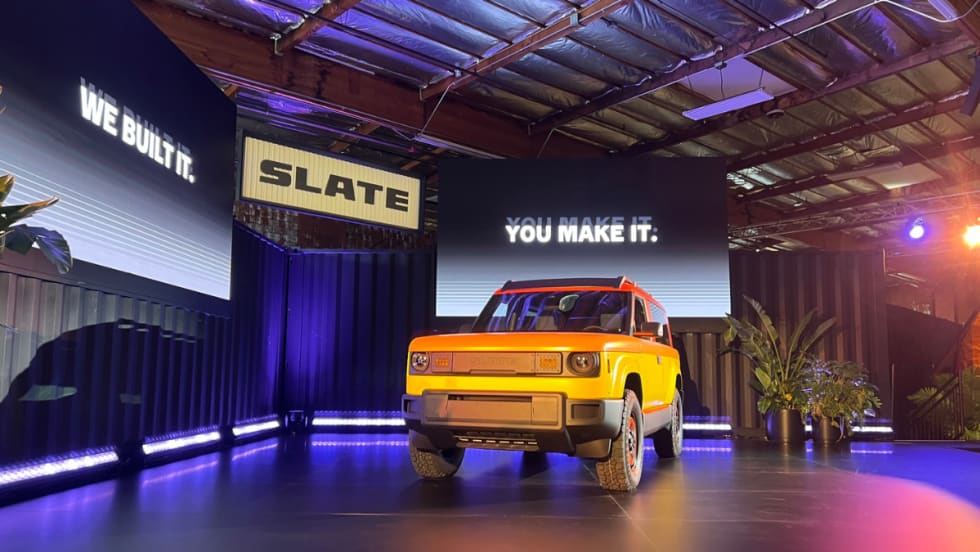
Slate Debuts Colorful, Unique EV Models
A recent media and client event, studded with electric vehicles dressed up on platforms, planted a new position for the manufacturer in the wider EV market. Fleets will find cost-saving advantages.
Read More →
Slate Electric SUV, Pickup Switchable Model Aims For Light-Duty Fleets
Everything about this EV is counterintuitive and understated, making it stand out from the crowd.
Read More →
Inspiration Mobility Acquires Key Electrada Assets
Inspiration Mobility Group has acquired select assets of Electrada, adding the fleet electrification provider's team, technology, and charging infrastructure development capabilities to its energy management business.
Read More →
Turning Connected Vehicle Data Into Decisions That Matter
Fleet leaders have more data than ever, but turning that data into clear, actionable decisions remains a challenge. This white paper shows how leading organizations are using connected vehicle data to improve safety, reduce costs, and optimize fleet performance. Learn how to turn insight into action across your fleet.
Read More →