You must be this tall to ride — it’s a common sign at many of central Florida’s theme parks, but not something visitors will see when hopping into one of the area’s newest rides.
by Steve Lommele
December 1, 2015
2 min to read
Linda Bluestein, co-director of the U.S. Department of Energy’s Clean Cities program, plugs in a Chevrolet Volt rented through Drive Electric Orlando. Photo via Colleen Kettles, Central Florida Clean Cities Coalition
The Central Florida Clean Cities Coalition (CFCCC) is participating in Drive Electric Orlando (DEO), an opportunity for tourists to get behind the wheel of a plug-in electric vehicle (EV). It’s a project led by the Florida Office of Energy and the Electrification Coalition, which has partnered with Enterprise Rent-A-Car, area hotels, and theme parks to offer the region’s business and leisure visitors the chance for an extended test drive of an electric car. The goal of the program is to encourage more people to consider EVs for their next automobile purchase.
“The DEO showcases the City of Orlando’s extensive urban electric vehicle charging infrastructure and has served as a spark for growing electric vehicle charging infrastructure at our partner hotels and theme parks,” CFCCC Coordinator, Colleen Kettles said. “It’s a testament to the region’s collaborative spirit and shows that, together, we can increase adoption of alternative fuels and the implementation of fuel-saving efficiency measures.”
Ad Loading...
Test driving a plug-in EV is just one of CFCCC’s many programs to promote sustainable transportation practices in central Florida. Since the conclusion of the Kennedy Space Center’s Space Shuttle Program, the region has made a concerted effort to transition from a space economy to a clean energy economy.
Get Involved with Green Cities
Through the work of nearly 100 local coalitions, Clean Cities advances the nation’s economic, environmental, and energy security by reducing petroleum use in transportation. Clean Cities is an initiative of the U.S. Department of Energy. Find out more at www.cleancities.energy.gov.
For more information about CFCCC and its parent organization, Florida Solar Energy Center, e-mail Colleen Kettles at ckettles@fsec.ucf.edu or visit centralfloridacleancities.com.
Beginning in 2014, CFCCC has worked with area colleges, industry, and CareerSource Brevard — its local workforce board — to deliver the Clean Cities training program that teaches first responders how to safely respond to accidents involving alternative-fuel vehicles. Working with the National Alternative Fuel Training Consortium (NAFTC) and using demonstration vehicles provided by industry partners, the effort has trained more than 300 emergency responders and another 60 battalion chiefs who will be able to train additional responders.
When demonstration vehicles are not available, the training uses video to show emergency personnel where to find vehicle badging, fuel tanks, shut-off valves, and other important safety elements of alternative-fuel vehicles.
“Alternative fuels and advanced vehicles are an integral part of our efforts to build a clean energy economy,” Kettles said. “Together with our stakeholders, we’ve created a robust training program that supports the public safety component of a complete alternative transportation system.”
Through the innovative and collaborative work of CFCCC and its partners, central Florida’s fleets displaced more than 3.3 million gallons of petroleum and averted nearly 30,000 tons of greenhouse gas (GHG) emissions in 2014.

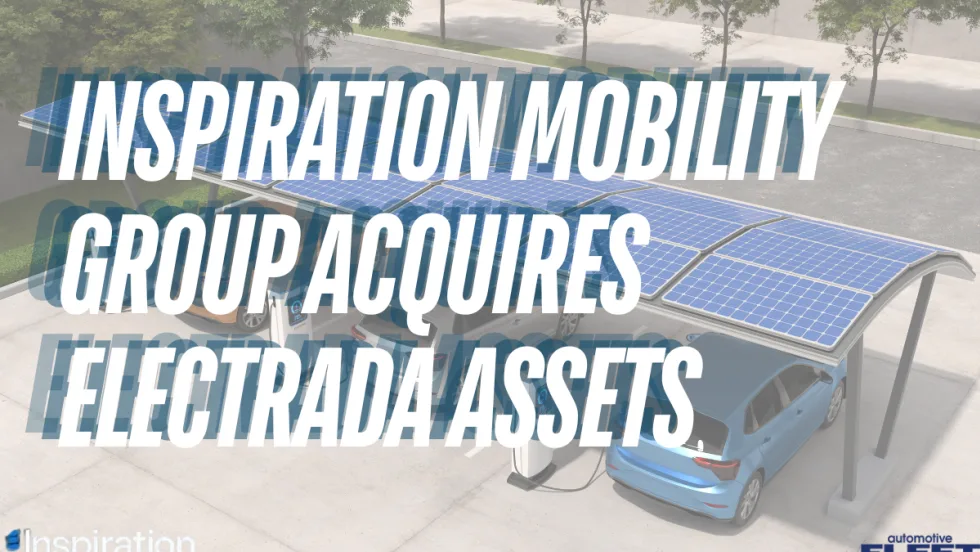
Inspiration Mobility Group has acquired select assets of Electrada, adding the fleet electrification provider's team, technology, and charging infrastructure development capabilities to its energy management business.
Fleet leaders have more data than ever, but turning that data into clear, actionable decisions remains a challenge. This white paper shows how leading organizations are using connected vehicle data to improve safety, reduce costs, and optimize fleet performance. Learn how to turn insight into action across your fleet.
Bobit Business Media surveyed 190 fleet professionals and found that while most fleets are tracking costs, fragmented systems and data gaps are keeping true TCO visibility out of reach. With rising pressure to control spend in an increasingly volatile environment, the gap between what fleets think they know and what the data actually shows is wider than you might expect. See how your peers are managing costs today and where the industry still has room to improve.
For fleet managers, fuel is one of the biggest line items in the budget — and it's one hybrids can shrink without changing how your people work. Download the eBook to see the numbers, understand the technology, and get a step-by-step guide to making the switch.
New industry group data revealed that light-duty electric vehicle sales are hitting record market share and volumes, while commercial EV volume dipped. What’s driving the fluctuations?
With the expiration of federal incentives, EV success now hinges less on government policy and more on discounts, battery tech progress, increased range, and broader infrastructure.
Fleet operators shared their challenges during an annual conference that embraced the latest advances across all aspects of running private- and public-sector vehicles.