




Fleet's Importance Growing Within a Changing Automotive Industry
Continuous technological improvements are impacting every aspect of the fleet business. Through these advancements, field work may become safer, more productive, and more affordable.

Phil Samuelson, fleet and capital asset manager of USIC, received the 2018 Edward J. Bobit Professional Fleet Manager of the Year award.
Photo courtesy of Lauren Sea.
The fleet management industry has never been at more of a crossroads. New business models based on mobility are transforming the transportation landscape; billions of dollars are being poured into autonomous vehicles. Technology is affecting every aspect of our business promising to make field work cheaper, safer, and more productive.
At the same time, a number of other factors are impacting our industry, presenting challenges for managing a fleet. New lease accounting standards are being implemented. Trade negotiations threaten the cost and availability of vehicles. Interest rates are rising for the first time in a decade. CAFE standards are being revised. And natural disasters seem to be occurring more frequently.
Despite these challenges, our industry has never been more relevant or dynamic. With the economy growing rapidly and unemployment low, businesses continue to look for ways to attract employees and maximize their productivity while minimizing cost, environmental impact and accidents. Fleet plays an important role in both.
Those managing the fleet are required to navigate a complex set of situations. Examining the list of nominees for the Professional Fleet Manager of the Year award, these individuals have embraced many of fleet’s challenges and opportunities. From piloting hybrid electric vehicles, to bridging the gap between the corporate fleet office and field operations, and testing advanced safety technologies. They stay focused on continuous improvement. Congratulations to this year’s winner Phil Samuelson from USIC, who successfully managed his fleet through considerable company growth over the last few years.
All of those recognized have demonstrated excellence in our industry. They are great examples of what you can accomplish when you embrace change and use it to create new opportunities for your drivers and businesses.
More Telematics
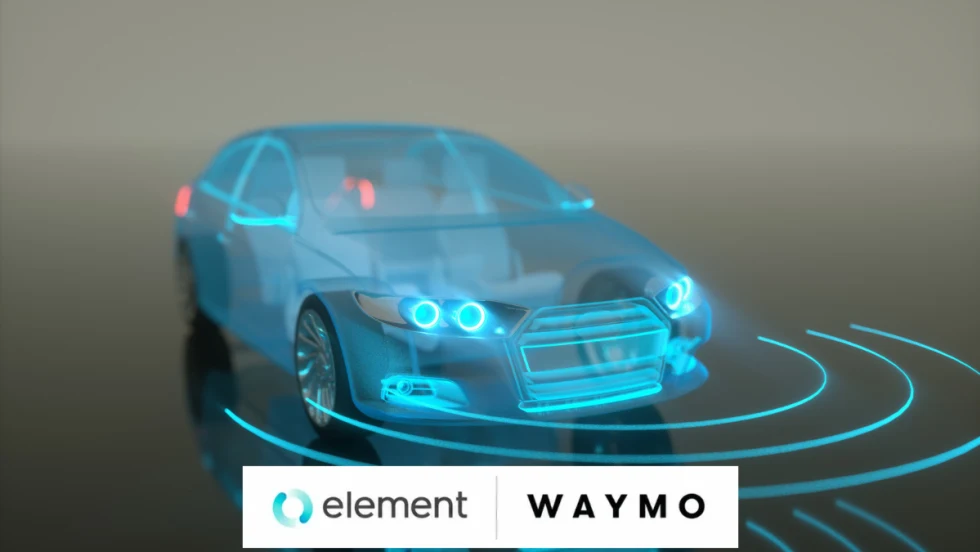
Element Expands Waymo Partnership to Support Toronto Robotaxi Fleet
As Waymo prepares to enter the Canadian market, Element Fleet Management will oversee the fleet operations supporting its planned Toronto launch. The partnership highlights the maintenance, charging, and infrastructure requirements behind operating autonomous vehicles at scale.
Read More →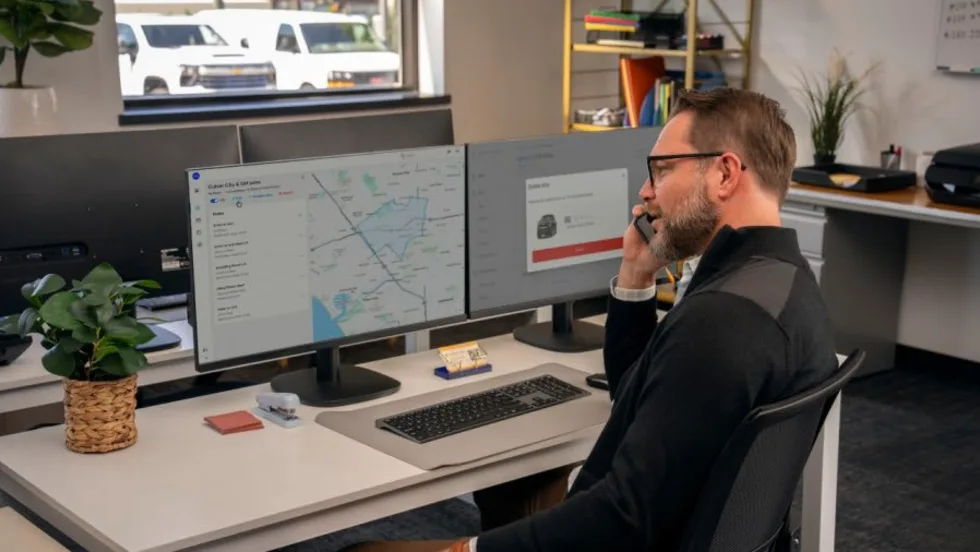
GM Launches OnStar Fleet Intelligence Platform With AI Assistant
The new platform brings vehicle data, order tracking, connected services and fleet analytics into one system, with an AI assistant that can answer fleet questions using natural-language prompts.
Read More →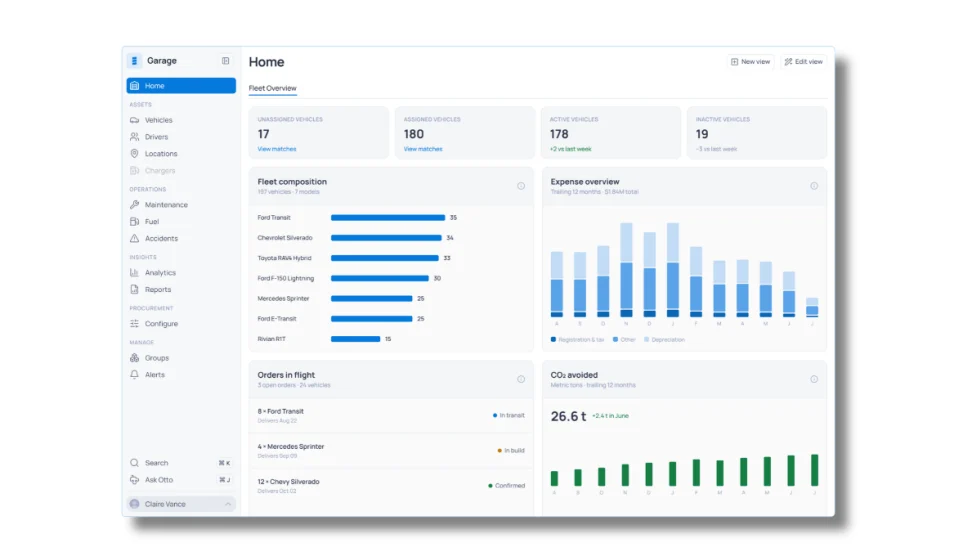
Inspiration Fleet Introduces Garage 2.0 Fleet Intelligence Platform
Fleet managers increasingly have access to data from vehicles, telematics, fuel, charging, and other systems, but those sources don't always communicate with one another. Inspiration Fleet's Garage 2.0 platform brings that information together while letting fleets keep working with different technology and service providers.
Read More →
Inside Inspiration Fleet’s New Platform for Connecting Fleet Data
Inspiration Fleet CTO Chris Getner explains how the new Garage 2.0 platform is designed to connect disparate fleet data and what that could mean for fleet managers in practice.
Read More →
Fleet Manager’s Ultimate Playbook: Navigating the New Standard in OEM Connectivity
Rising operating costs, driver safety concerns, and unplanned downtime are putting unprecedented pressure on modern fleets. Discover how fleet managers use embedded OEM connectivity and real-time vehicle data to cut TCO, prevent downtime, and protect drivers without aftermarket telematics hardware.
Read More →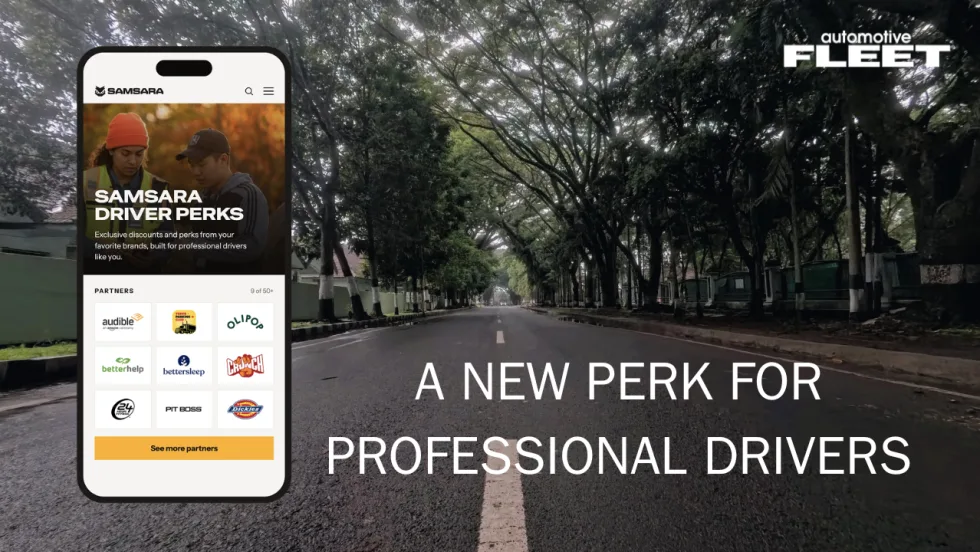
Samsara Driver Perks Adds New Benefit for Corporate Fleet Drivers
The rewards program gives eligible professional drivers access to discounts from more than 50 brands while giving fleets another way to support recruitment, retention, and the driver experience.
Read More →
Inside the Church of Jesus Christ of Latter-day Saints’ Two-Track Telematics Strategy
With 20,000 vehicles and two fundamentally different driver populations, the Church faced a fleet management problem that a single telematics program couldn't solve. How it responded offers a replicable framework for any fleet where one size doesn't fit every driver.
Read More →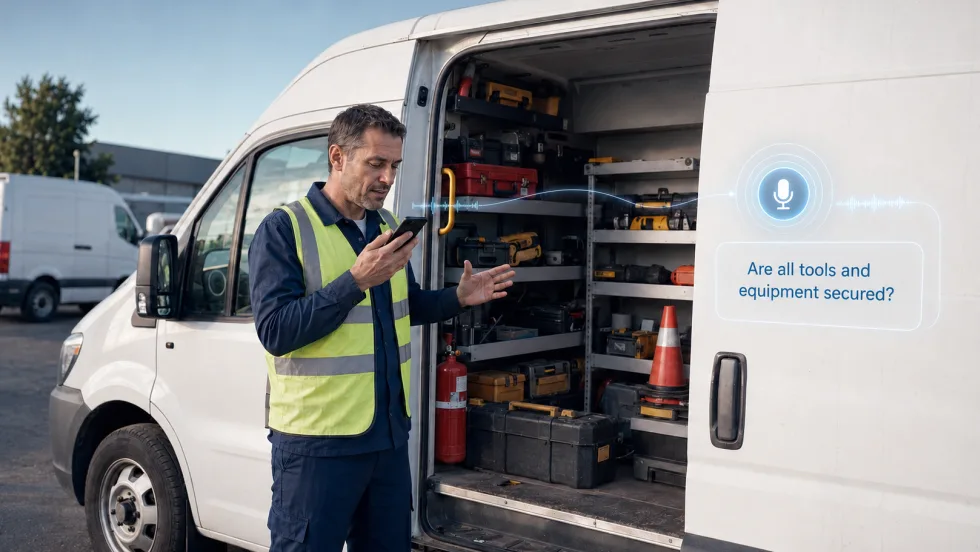
How Conversational AI Can Make Fleet Tasks Easier for Drivers
While most generative AI tools help fleet managers interpret data at their desks, Connex2X is applying voice interaction to tasks behind the wheel.
Read More →
Why Fleets Are Creating Dedicated Fleet Analyst Positions
Are fleet analyst positions the new norm? Listen here to find out.
Read More →
Teletrac Navman Begins Next Chapter as Standalone Private Company
What's new with Teletrac Navman and its new owner?
Read More →