




Related News: The Best Fleet Management Anticipates Problems, and Doesn't React to Them
Five Reasons to Schedule Routine Inspections for Light and Medium-Duty Fleets
By prioritizing inspections, fleet managers can identify safety hazards, optimize vehicle performance, comply with safety and environmental regulations, and minimize unplanned downtime.
by GPS Insight
June 5, 2023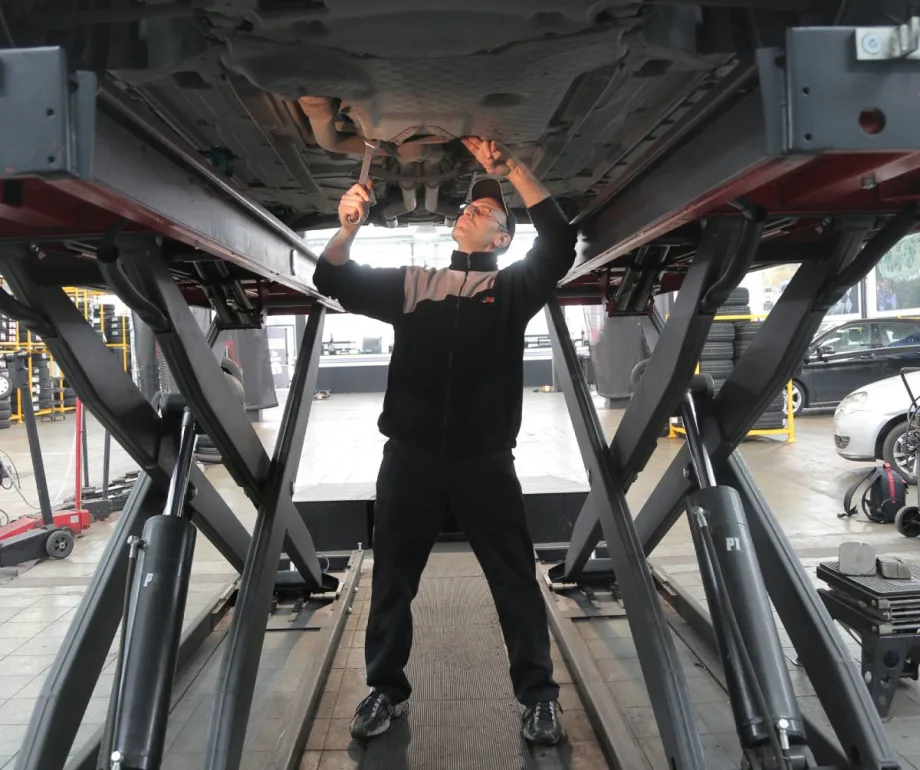
Fleet inspections are pivotal in maintaining vehicle safety, efficiency, and overall performance.
Photo: pexels.com/Andrea Piacquadio
4 min to read
In the fast-paced world of transportation and logistics, fleet managers face numerous challenges to guarantee the smooth operation of their light and medium-duty fleets.
One of the most vital tasks is conducting regular inspections.
Fleets of all sizes put many miles and general wear and tear on trucks or vans, but this typical wear and tear can quickly turn dangerous without the proper maintenance.
Fleet inspections are pivotal in maintaining vehicle safety, efficiency, and overall performance, making them an indispensable component of fleet management practices.
There are several reasons why regular fleet inspections for light and medium-duty fleets are essential and why fleet managers can’t afford to let their vehicles run without preventive maintenance.
1. Keep Drivers Safe
When fleet managers prioritize safety, everything else falls into place.
Preventive maintenance is the best way to ensure drivers' safety and enhance vehicle performance.
Regular inspections examine the condition of brakes, tires, steering systems, suspension, headlights, and more to identify and address potential safety hazards.
These inspections help find potential problems early before they escalate into significant issues like life-threatening accidents, injuries, and costly vehicle repairs.
In addition, properly functioning vehicles result in improved fuel efficiency, reduced emissions, and extended vehicle lifespan, thereby leading to cost savings for the fleet.
2. Minimize Unplanned Downtime
Unplanned downtime affects the productivity and profitability of any fleet by disrupting schedules, delaying deliveries, and increasing maintenance costs.
Regular fleet inspections minimize the risk of unexpected breakdowns by identifying potential issues before they lead to significant failures.
Assessments provide an opportunity to evaluate vehicle usage and identify patterns that can help optimize route planning and minimize idle time.
This optimization translates into increased productivity, reduced downtime, improved customer satisfaction, and decreased vehicle wear and tear.
3. Prove Commitment to Safety and Compliance
To operate vehicles on the roads legally, government authorities have established stringent rules and standards that must be adhered to.
The cost of not complying with regulations significantly outweighs the price associated with preventive vehicle maintenance, with penalties that can cost tens of thousands of dollars, depending on the level of violation, which can be devastating for small to medium fleets.
By conducting regular inspections and keeping detailed records of maintenance and repairs, fleet managers can demonstrate their commitment to safety and compliance, a critical aspect of fleet management that reduces the risk of expensive penalties and legal issues.
4. Go Green
Sustainability plays a big role in keeping quality vehicles on the road by ensuring they aren’t increasing emissions and draining fuel due to unmaintained parts.
Deploying the right technology helps fleets advance sustainability efforts, as increasing fleet fuel efficiency has become a crucial priority in reducing emissions.
More than half (55%) of fleets reported reduced fuel costs from telematics software, which is a huge win considering that fuel is the largest expense for 32% of fleets.
Telematics offers in-cab feedback devices that can support and reinforce safe driving behavior, monitor various aspects of driving, such as acceleration, braking, and idling, and provide real-time feedback to drivers.
By promoting safer and more fuel-efficient driving habits, these devices help reduce fuel consumption and carbon emissions.
On the software front, fleet management systems offer real-time visibility and control over every vehicle and driver in a fleet.
These software solutions provide comprehensive data and analytics, enabling fleet managers to monitor fuel usage, track vehicle performance, and identify areas for improvement.
They can generate reports and alerts, allowing managers to make informed decisions and take immediate action when necessary.
5. Preventive Maintenance and GPS Tracking
Using GPS tracking streamlines maintenance scheduling and minimizes the risk of breakdowns by providing timely notifications and generating reports on upcoming or overdue maintenance tasks.
With access to data on trips, usage duration, engine hours, mileage, and driver information, fleet managers can optimize vehicle usage, extending their lifespan.
As a result, revenue-generating vehicles can remain on the road, leading to higher customer satisfaction.
As a final point, regular fleet inspections are indispensable for maintaining light and medium-duty fleets' safety, efficiency, and longevity.
By prioritizing inspections, fleet managers can identify safety hazards, optimize vehicle performance, comply with regulations, and minimize unplanned downtime.
The preventive approach offered by regular inspections enhances the overall efficiency of fleet operations and contributes to cost savings and customer satisfaction.
Embracing telematics and fleet management software can further streamline the inspection process and enable real-time monitoring of vehicle conditions.
Subscribe to Our Newsletter
More Safety
IIHS Crash Avoidance Tests Reveal Safety Gaps in Cargo Vans and Work Trucks
New crash-avoidance ratings from the Insurance Institute for Highway Safety reveal inconsistent performance among commercial vehicles, with several popular cargo vans and heavy-duty pickups struggling to avoid collisions with other vehicles and pedestrians.
Read More →
What’s Next for Fleet? Safety, AI & Industry Recognition | AF News Recap
Could your company's culture be encouraging distracted driving? This week, we're exploring how workplace expectations affect driver safety, what AI, EVs, and autonomous vehicles could mean for the future of fleet management, and how fleet professionals can strengthen their award nominations.
Read More →
Does Your Fleet's Culture Encourage Distracted Driving?
What happens when the people responsible for enforcing safety rules are the ones setting the wrong example? The answer may reveal why some of the biggest risks to fleet drivers have little to do with what's written in the employee handbook.
Read More →
Sponsored•October 1, 2026
Fleet Manager’s Ultimate Playbook: Navigating the New Standard in OEM Connectivity
Rising operating costs, driver safety concerns, and unplanned downtime are putting unprecedented pressure on modern fleets. Discover how fleet managers use embedded OEM connectivity and real-time vehicle data to cut TCO, prevent downtime, and protect drivers without aftermarket telematics hardware.
Read More →
From Driver Well-Being to EV Charging | AF News Recap
Mental health belongs in the fleet safety conversation. This week, we’re looking at five ways fleets can support employee well-being before a crisis, plus Holman’s expansion in Mexico, new one-day Fleet Forward passes, and why EV charging demand is outpacing infrastructure growth.
Read More →
Nexar-Nauto Merger Aims to Give Fleets Better Safety Intelligence Through Larger Driving Dataset
Stefan Heck tells Automotive Fleet that combining more than 10 billion miles of driving history with Nexar's AI models will give fleets deeper insights into driver risk and roadway conditions than either company could provide independently.
Read More →
Don't Wait for a Crisis: 5 Ways to Build Mental Health Into Your Fleet Safety Program
For Suicide Prevention Month, fleet and safety leaders have an opportunity to put mental health where it belongs: at the center of workplace safety.
Read More →
How Camera Data Can Strengthen a Fleet’s Insurance Renewal
Insights from a commercial insurance carrier and a broker show how fleets can turn video telematic data, driver coaching, and improved claims results into a stronger case at insurance renewal.
Read More →
The Safest Fleets Aren’t the Ones with the Most Technology
You’ve made the telematics investment. Here’s how to capture the other half of its value and build the safest fleet on the road.
Read More →
Sponsored•August 7, 2026
Hidden in Plain Sight: Fleet Compliance Risks
Fleet compliance isn't just about having policies — it's about consistently enforcing them. This practical guide reveals six hidden compliance risks common in public sector and shared fleet operations and outlines proven strategies to improve visibility, accountability, and audit readiness
Read More →