




EPA HD OBD Ruling Impacts Medium-Duty Fleets
Effective Jan. 1, the heavy-duty onboard diagnostic (HD OBD) ruling requires truck manufacturers install OBD systems on trucks 14,001-lbs. GVWR or greater.

While onboard diagnostic (OBD) systems have been mandated for cars and light trucks since the mid '90s, trucks over 14,000-lbs. gross vehicle weight rating (GVWR) had a free pass.
That is, until this year.
Effective Jan. 1, the Environmental Protection Agency (EPA) requires diesel engine manufacturers to reduce nitrogen oxide (NOx) emissions by 83 percent from the already stringent EPA 2007 levels - from 1.2g/bhp-hr (grams per brake horsepower hour) down to 0.2g/bhp-hr.
The EPA predicts these emissions reductions will contribute to preventing 8,300 premature deaths, more than 9,500 hospitalizations, and 1.5 million work days lost, totaling more than $70 billion in annual savings.
Where does onboard diagnostics (OBD) fit in this plan? The EPA claims OBD systems on medium- to heavy-duty trucks are essential to ensure projected environmental benefits actually happen by alerting fleet operators to emissions system malfunctions and holding fleets accountable to repair the issues before they lead to greater harm to the trucks or environment.
What does the EPA's heavy-duty diagnostics (HD OBD) ruling actually cover? How did this ruling come about? What impact will it have on fleet operations? The following answers and questions can help truck fleet managers as they prepare to phase in new medium-duty trucks this year.
What's Covered by the HD OBD Ruling?
The EPA's heavy-duty onboard diagnostic ruling requires truck manufacturers, effective Jan. 1, 2010, install OBD systems on trucks 14,001-lb. GVWR and heavier. This includes Class 4-7 medium-duty trucks, previously exempt from the requirement.
The main points from the ruling are:
HD OBD systems are to monitor emissions control component functions (including after-treatment devices such as diesel particulate filters and NOx-reducing catalysts) and alert the driver through a dash-mounted malfunction indicator light (MIL) to any detected need for emissions-related repair.
When a malfunction occurs, diagnostic information must be stored in the engine's computer to assist in diagnosis and repair of the malfunction.
Engine manufacturers are required to make available to the service and repair industry all information necessary to perform repair and maintenance service on OBD systems and other emissions-related engine components.
Will All 2010-Compliant Heavy-Duty Diesel Engines be Equipped with HD OBD?
Not initially. The EPA allowed a phased-in approach to provide OEMs sufficient time to perfect their systems before requiring HD OBD for an entire engine lineup.
For 2010-2012 model-years, one engine family per manufacturer must be certified to the OBD requirement. By 2013, all OEM highway engines must be certified to the OBD mandate.
What Factors Led to the HD OBD Ruling?
The following timeline details important dates and context in the EPA's decision to mandate onboard diagnostics for medium- to heavy-duty trucks:
Feb. 19, 1993: The EPA published a final rule requiring manufacturers of light-duty vehicle applications install OBD systems on vehicles beginning with the 1994 model-year (58 FR 9468).
Aug. 9, 1995: The EPA published a final rule establishing service information regulations for light-duty vehicles and light-duty trucks (60 FR 40474). These regulations, in part, required each OEM to list all emissions-related service and repair information on a Web site and note how to obtain that information and at what cost. The intent was to ensure aftermarket service and repair facilities have access to the same emissions-related service information, in the same or similar manner, as provided by OEMs to their franchised dealerships.
Oct. 2000: The EPA published a final rule requiring OBD systems on heavy-duty vehicles and engines up to 14,000-lbs. GVWR (65 FR 59896). In this rule, the EPA expressed its intention to develop in a future rule OBD requirements for vehicles and engines used in vehicles more than 14,000-lbs. GVWR. The EPA again expressed this same intention in its Clean Diesel Trucks and Buses final rule (66 FR 5002), which established new heavy-duty highway emissions standards for 2007 and later model-year engines (i.e., the "2007 Highway Rule").
Jan. 18, 2001: The EPA established a comprehensive national control program - the Clean Diesel Trucks and Buses program - to regulate heavy-duty vehicles and their fuel as a single system (66 FR 5002). As part of this program, new emissions standards for heavy-duty highway engines and vehicles began to take effect in model-year 2007 and will be phased in through 2010.
June 2003: The EPA published a final rule extending service information availability requirements to heavy-duty vehicles and engines weighing up to 14,000-lbs. GVWR. EPA did not extend these requirements to engines above 14,000-lbs. GVWR, deciding to wait until such engines were subject to OBD requirements.
Jan. 1, 2010: EPA rules for heavy-duty vehicles and engines weighing more than 14,000-lbs. GVWR take effect.
How Does HD OBD Impact New Truck Acquisition Costs?
The EPA estimates HD OBD equipment will result in only a slight hardware cost increase of roughly $60 per diesel engine used in applications more than 14,000-lbs. GVWR.
What are Truck Manufacturers Saying?
"We have not finalized pricing for model-year 2011," said Shaun Skinner, VP general manager at Isuzu Commercial Truck of America.
(Skinner refers to model-year 2011 since Isuzu's MY 2011 will be the company's first model-year equipped with EPA 2010-compliant diesel engines.)
According to Amanda Phillips, manager of product marketing at Detroit Diesel, "Customers will see no additional cost for engine ratings that meet the OBD standard."
How Will HD OBD Systems Affect Repair Costs?
Time will tell. On one hand, HD OBD should help reduce repair costs because onboard diagnostics alert operators to malfunctions before they cause catastrophic damage to the engines, helping fleets correct the problem more cost effectively.
Also, HD OBD provides a more efficient diagnostic tool. A technician connects a scan tool to a truck's computer and downloads information to pinpoint the problem and allow vehicle repair based on manufacturer recommendations. HD OBD equips technicians to do their job more quickly and reliably, which helps avoid unnecessary repairs and trips back to the shop.
On the other hand, HD OBD systems may detect issues unnoticed prior to use of the onboard diagnostic system, but now must be repaired. In this case, HD OBD would require an accelerated repair schedule and - at least in the near term - increased maintenance costs.
Putting HD OBD in Perspective
Consider this statistic from Detroit Diesel's Fact Sheet on EPA 2010: Pollutants emitted by 65 trucks in 2010 will equal the pollution created by just one truck in 1988. That's a staggering 65:1 emissions reduction in 22 years. HD OBD is an early detection system to ensure 2010 compliant trucks operate at these reduced emissions levels, not just when new, but throughout the life of those vehicles.
What does this ultimately mean for fleet operations? With each HD OBD-compliant truck acquired, fleet's carbon footprint will shrink - and the company's profile will rise as a responsible corporate citizen.
More Green Fleet
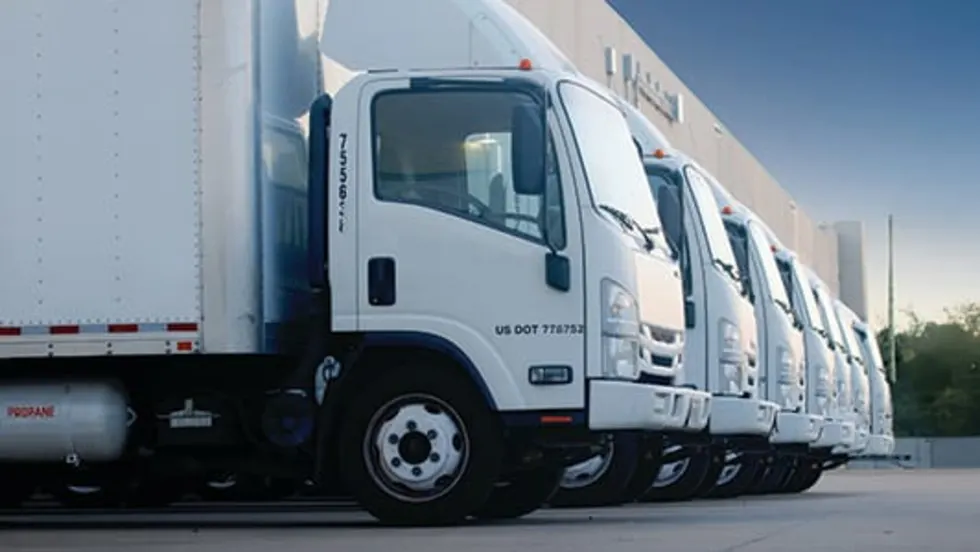
New Propane Autogas Program Offers Fleet Compensation
Qualified commercial fleets can receive $7,500 per eligible propane autogas vehicle and up to $10,000 for new refueling site prep. Learn how the program works and see whether your fleet qualifies.
Read More →
EV Charging Use Is Outpacing Infrastructure Growth
ChargePoint’s 2026 Charging Forward Report points to rising charger use, higher-powered charging, commercial vehicle electrification, and energy-management technology. Here’s what fleets should know.
Read More →
Merchants Fleet Reports 290M EV Miles as Fleets Navigate Changing Electrification Market
From millions in operating savings to hundreds of millions of EV miles, Merchants Fleet’s latest report reveals what’s working and what’s changing in fleet electrification.
Read More →

The EV Breakdown Nobody's Talking About: Why Most Electric Vehicle Roadside Calls Aren't Mechanical Failures
Here's why EV breakdowns are widely misunderstood.
Read More →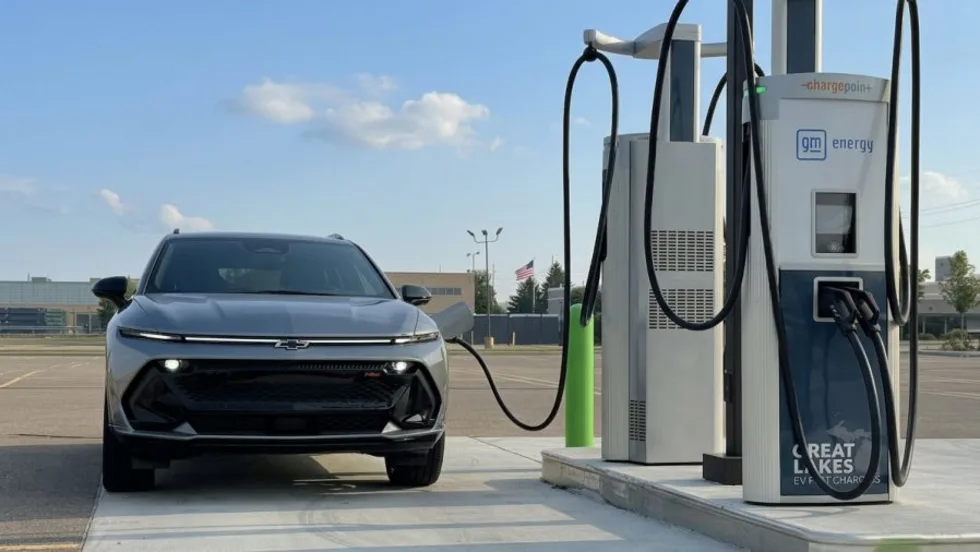
ChargePoint Now Available in Energy Pass
ChargePoint and additional planned charging network integrations were added to GM's Energy Pass.
Read More →

First Look: Slate Auto's Electric Fleet Pickup
Could an affordable, modular EV pickup make electrification more practical for fleets?
Read More →
Slate Debuts Colorful, Unique EV Models
A recent media and client event, studded with electric vehicles dressed up on platforms, planted a new position for the manufacturer in the wider EV market. Fleets will find cost-saving advantages.
Read More →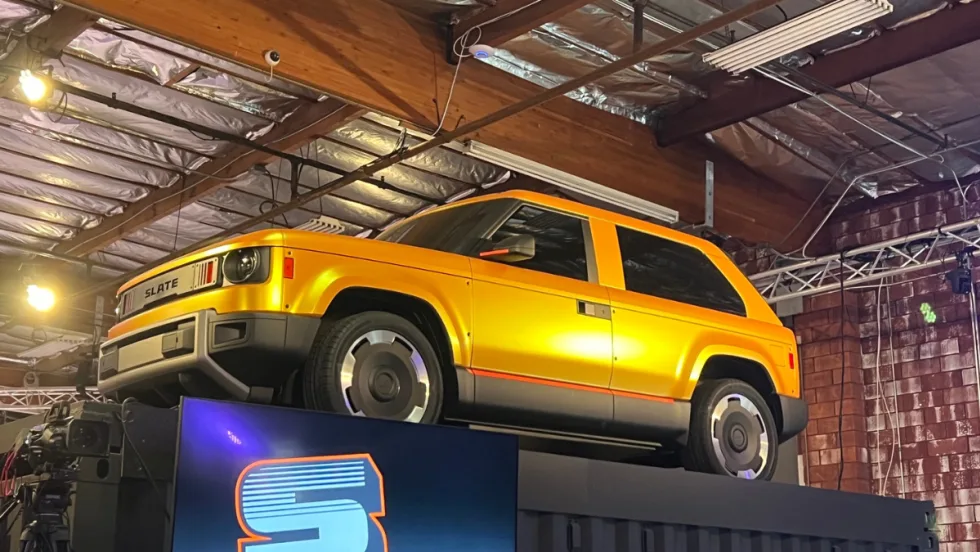
Slate Electric SUV, Pickup Switchable Model Aims For Light-Duty Fleets
Everything about this EV is counterintuitive and understated, making it stand out from the crowd.
Read More →
Inspiration Mobility Acquires Key Electrada Assets
Inspiration Mobility Group has acquired select assets of Electrada, adding the fleet electrification provider's team, technology, and charging infrastructure development capabilities to its energy management business.
Read More →