




Ed Bobit's PUblisher's Page
There is a constant challenge to the men in our business world who have the responsibility for fleets.

"If anyone saith that the marriage state is to be placed above the state of virginity or of celibacy, and that it is no better and more blessed to remain in virginity or in celibacy than to be united in matrimony; let him be anathema. "Council of Trent; Session 24, Canon 10. November 11, 1563.
There is a constant challenge to the men in our business world who have the responsibility for fleets. No matter how pure, how virgin a fleet man is, he is charged with the paramount fact that money ($$$) is the beginning and the end — the Alpha and Omega — (no pun intended on the new Olds) the "sine qua non" — of business; the fuel that makes the business engine run. Without money and its equivalent in bricks and mortar, research and the other elements of capital which it can buy, a company cannot produce its goods, market its production, pay its employees, or make a profit.
These statements are so elementary that it seems presumptuous to even make them. Yet company management in the form of chief executives continue to relegate a minor role to the 'management' of the company fleet whether it is 15 cars or 1500.
Top execs pontificate in the board rooms and with their financial advisors on cash flow, return on investment and a myriad of factors surrounding the esoteric subject of money. Yet, and so often, these same 'leaders' find it comfortable to assign the task of supervision of the company fleet to a second level management man on a part time basis or in the case of the larger fleets, a full time man that receives the dubious distinction of being a 'clerk' or 'purchaser' with a title of fleet administrator.
Fleet policies in determining purchases and laying out the maintenance and reimbursement guidelines along with the crux of our business - net return from resale — demand a well trained management level executive to perform at a satisfactory level for the company that is interested in net profits. The fleet management aspect of business still remains virgin territory with top execs still living in a business celibacy.
Consider that over three quarters of the really large fleets are under lease where the role of the company men is reduced to the selection of a lessor after interviews and studying quotes. Later one can study the computer run-off sheets for analysis and comparison. But how many rock the boat to command the business respect of the lessor and their own company?
The shocking example that I am aware of each week in my visits to fleet dealerships is the complete loss of control of the vehicle after it is turned in for a new model. They sit for clays. The lessor or the fleet man settle for a 'condition report' or an oral phone 'look' at the car. Even the slightest recon work is brushed aside as not worth it.
Now I have listened to fleet men and nearly every lessor in the country tells me, "We get top dollar for our used units." And yet I continue to see the numerous wholesalers that have that special gleam in their eyes when they obtain fleet units on a regular basis. They know how to run their own company; they make money off others.
My message is simple enough. More training in technique is essential in fleet management. More recognition must be accorded to the responsible men who establish fleet policies. Part time 'fleet men' need additional background in administration and the economics of our business.
Properly placed, responsible men that are continually trained in good fleet management can eliminate the virginity of outdated and poor business practices. Try doing something about it today. . .and tomorrow.
More Operations

Fleet Has a Talent Pipeline Problem. What Comes Next? | AF News Recap
Where will fleet’s next generation of leaders come from? This week, we’re looking at the industry’s talent pipeline, what certification can add to a fleet career, how to build an award-worthy track record, and the return of Automotive Fleet’s Personal Use Survey.
Read More →
Smith System Launches Driver Risk Management Program
Fleets have more driver data than ever, but identifying risky behavior doesn't necessarily correct it. Smith System's new Driver Risk Management program combines monitoring, training, and follow-up coaching to help fleets connect risk signals with driver intervention.
Read More →
Automotive Fleet Opens 2026 Personal Use Survey for Commercial Fleet Managers
Less than two weeks left! Commercial and corporate fleet managers are invited to share how their organizations handle company vehicle personal-use policies, charges, and driver eligibility.
Read More →
From AI Prompts to AI-Generated Safety Songs | AF News Recap
Can better prompts make AI more useful for fleet managers? This week, we’re breaking down smarter fleet analysis, an AI-assisted experiment that turned safety training into music, and what happened to fuel prices in August.
Read More →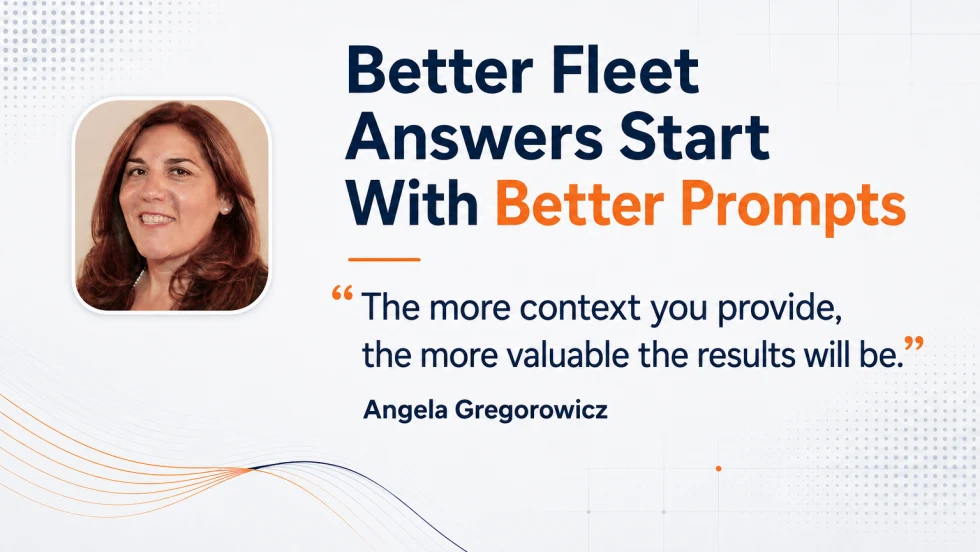
How to Write Better AI Prompts for Fleet Analysis
Include these six elements in your fleet prompts to generate more relevant analysis and accurate answers.
Read More →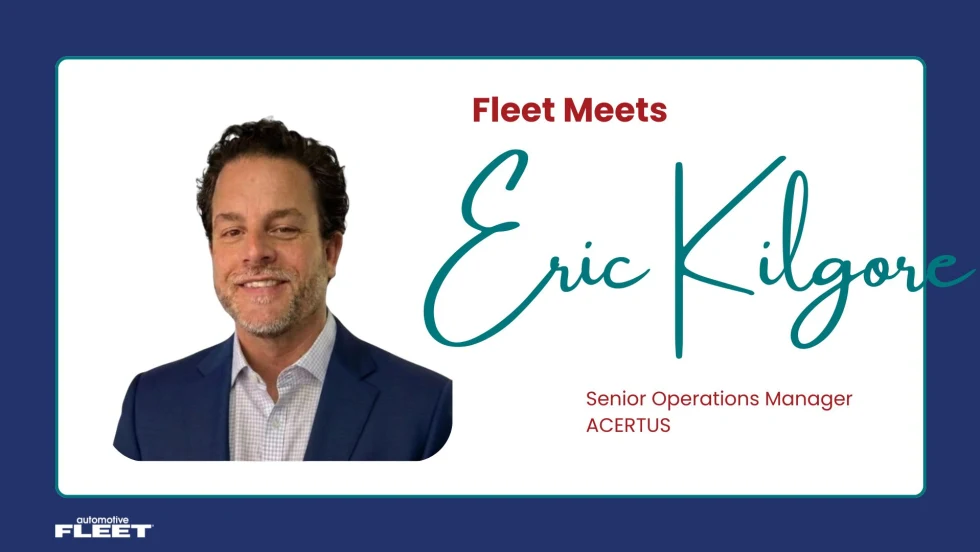
Fleet Meets: Eric Kilgore
This edition of the Fleet Meets series features one of the industry's best leaders driving multi-market and national operations.
Read More →
Why Reactive Fleet Management Is Becoming Too Expensive to Sustain
Research highlights a growing need for proactive management strategies to address rising costs in fleet operations effectively.
Read More →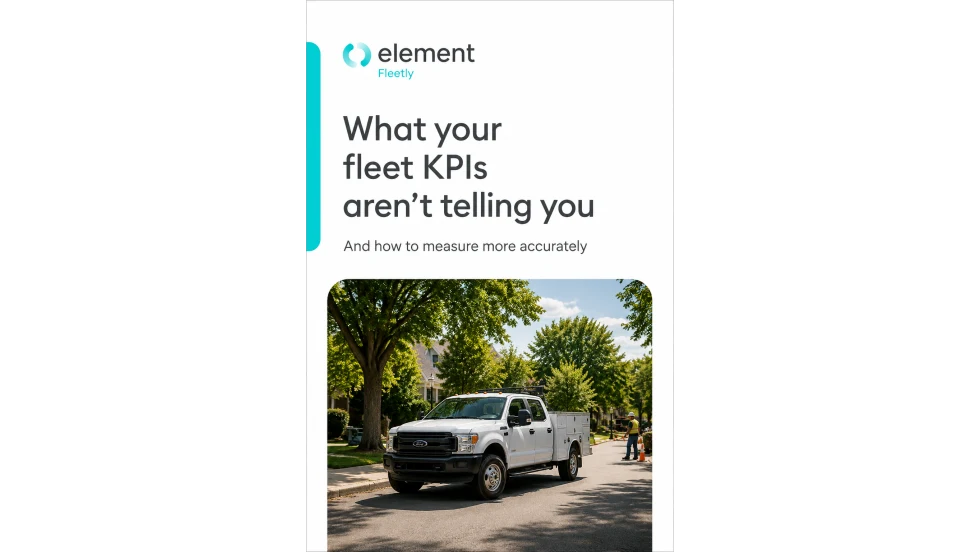
What Your Fleet KPIs Aren’t Telling You
Tracking fleet metrics is only useful when the data leads to better decisions. This guide helps fleet leaders assess cost, utilization, and downtime more accurately, identify performance gaps, and prioritize the actions that can improve operational results.
Read More →
Hidden in Plain Sight: Fleet Compliance Risks
Fleet compliance isn't just about having policies — it's about consistently enforcing them. This practical guide reveals six hidden compliance risks common in public sector and shared fleet operations and outlines proven strategies to improve visibility, accountability, and audit readiness
Read More →
Turning Fleet Payment Data into Executive Insights
Does data alone drive results in operations?
Read More →