




Ed Bobit: Why We Constantly Need to Improve!
When I look around at our associates, and it's in our Mission and Value Statements, our workforce is our major asset.

It is not enough to aim, you must hit.-Italian Proverb
To achieve great things we must live as if we were never going to die.-Vauvenargues
Now that it's all over, what did you really do yesterday that's worth mentioning?-Coleman Cox
In back, of every achievement is a proud wife and a surprised mother-in-law.-Brooks Hays
Too often we are all saddened by one of our industry friends being resent into the real world these days. And just maybe, they aren't as prepared as they should have been.
Oh, American business is still hot on the merger and acquisition kick, and every COO and CFO wants to reduce head count, so the so-called "retirement packages" abound. Regretfully, some of these unfortunate people didn't stay current or have the internal motivation to "improve."
We manage a publishing business around here, but the new guard has now renamed it a "Business Media" company to make sure our profile is all-inclusive and "modern." Probably an improvement.
When I look around at our associates, and it's in our Mission and Value Statements, our workforce is our major asset. We don't care whether they are a man or woman, young or old, or whatever creed, religion, or lifestyle they are. If they are effective, decent, and regularly improve in accomplishments, the last thing we want is to lose them.
The fleet manager community also needs to conduct itself with a positive, professional, and improving attitude and execution of their skills. One might say it's critical for survival.
So how can fleet managers improve? Certainly by continued education, experience, networking, and understanding the company's mission and policies. Then taking those talents and applying them for savings and efficiencies.
Specifically, you need to zero in with full knowledge of the now-popular front-wheel drive (FWD) versus rear-wheel drive (RWD), Also there's continuing saga of what's happening to residuals in light of even higher incentives and factory price increases.
I won't try to give you 101A on FWD versus RWD, but you should dig into it now that both GM and Chrysler are pushing the old concept with some new entries. Plus, there's new engineering, new tires, new stabilizing innovation, etc. which makes it all the more interesting. Of course, Ford never really left making the RWD for fleets. Just don't miss the new rationale; it'll be revealing and fun to listen.
On residuals, the big news, if you care at all about depreciation and the huge cost to your company at replacement time, is the new "Five Star System" that Automotive Lease Guide (ALG) has developed. It's important because (and basically for the first time) it's based on transaction prices rather than the old MSRP variety.
Why is it important? Because this new reporting system reflects what fleets and consumers actually pay after incentives (if "CAP" is about equal to retail). I'm also assuming that my friend, Raj Sundaram, president of ALG, also takes into account that in the '03 model year, one factory actually had at least eight price increases. This week I saw a report that said another factory has already had five increases with the '04s.
The price adjustments just could be supporting the higher incentives that reached an all-time high in February with no sign of letting up.
When John Larson, executive director, finance, at GM is quoted as highly in favor of the transaction-based residual estimates for values expected in three years, well, I know it's a step in the right direction. Other automotive leaders also support the methodology.
So, there are a few things to get busy with. Others are surely the safety-related ones, i.e. hands-free in-car cell use policies, the need for back-up alarms, and finding a way for continuing driver safety education when budgets are tight.
Get with it! Improve, or your company may find a way to get it done without you.
More Operations
How to Manage Conflict for Your Fleet Operations
Conflict management is becoming a core leadership skill. Here are five strategies fleet leaders should know.
Read More →
Turning Connected Vehicle Data Into Decisions That Matter
Fleet leaders have more data than ever, but turning that data into clear, actionable decisions remains a challenge. This white paper shows how leading organizations are using connected vehicle data to improve safety, reduce costs, and optimize fleet performance. Learn how to turn insight into action across your fleet.
Read More →
Cameras, Safety and Insurance: From Reactive Claims to Real-time Prevention
Commercial auto remains one of the most challenging and costly lines of coverage for fleet operators and insurers alike. Learn more about how to effectively address these issues from Onur Aksan, Enterprise Business Development Executive, Geotab.
Read More →

Are You Tracking Your Fleet's True Total Cost of Ownership?
Bobit Business Media surveyed 190 fleet professionals and found that while most fleets are tracking costs, fragmented systems and data gaps are keeping true TCO visibility out of reach. With rising pressure to control spend in an increasingly volatile environment, the gap between what fleets think they know and what the data actually shows is wider than you might expect. See how your peers are managing costs today and where the industry still has room to improve.
Read More →
Turn Fleet Data Into Smarter Decisions
Fleet leaders have access to more operational data than ever, but disconnected systems and unclear metrics often slow decision-making instead of improving it. This article outlines five practical steps fleets can take to transform fragmented data into actionable insights that improve planning, safety, utilization, and long-term performance.
Read More →
Hybrids: Electrification Without the Challenges
For fleet managers, fuel is one of the biggest line items in the budget — and it's one hybrids can shrink without changing how your people work. Download the eBook to see the numbers, understand the technology, and get a step-by-step guide to making the switch.
Read More →
How NOV Uses Telematics to Improve Fleet Safety Across 160 Locations
James Victory of NOV discusses how the company manages fleet safety, maintenance, and telematics across more than 150 locations supporting oilfield operations throughout the U.S.
Read More →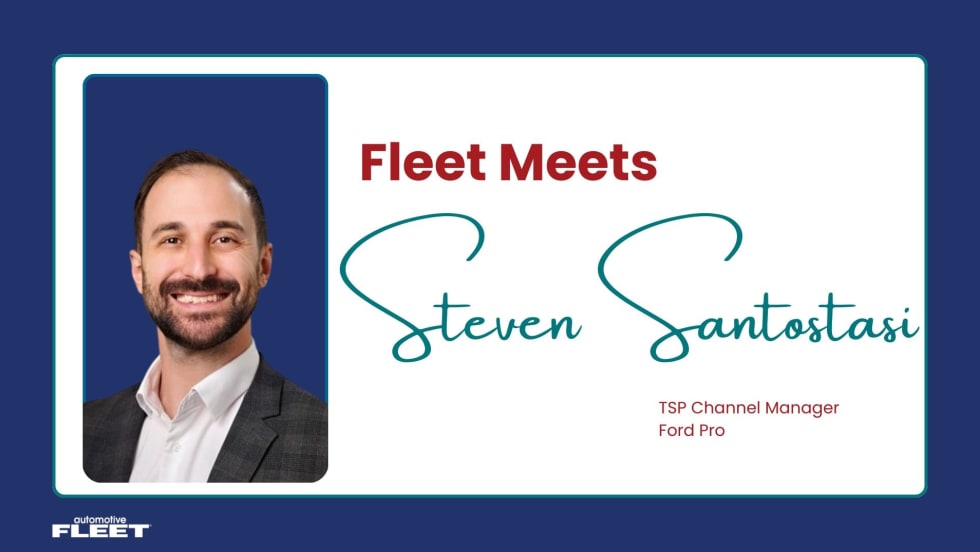
Fleet Meets: Steven Santostasi
This edition of the Fleet Meets series features Steven Santostasi, the current TSP channel manager for Ford Pro.
Read More →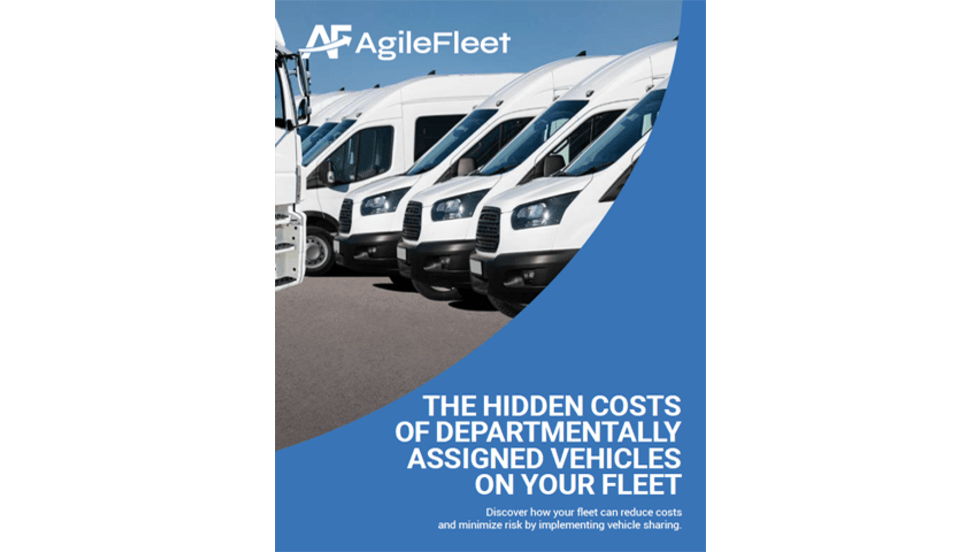
Why Fleet Managers Are Replacing Departmental Vehicles with Shared Motor Pools
Departmentally assigned vehicles often create hidden costs through underutilization, poor visibility, and increased administrative burden. This white paper explores how shared motor pool strategies help fleets reduce costs, improve accountability, and optimize vehicle utilization.
Read More →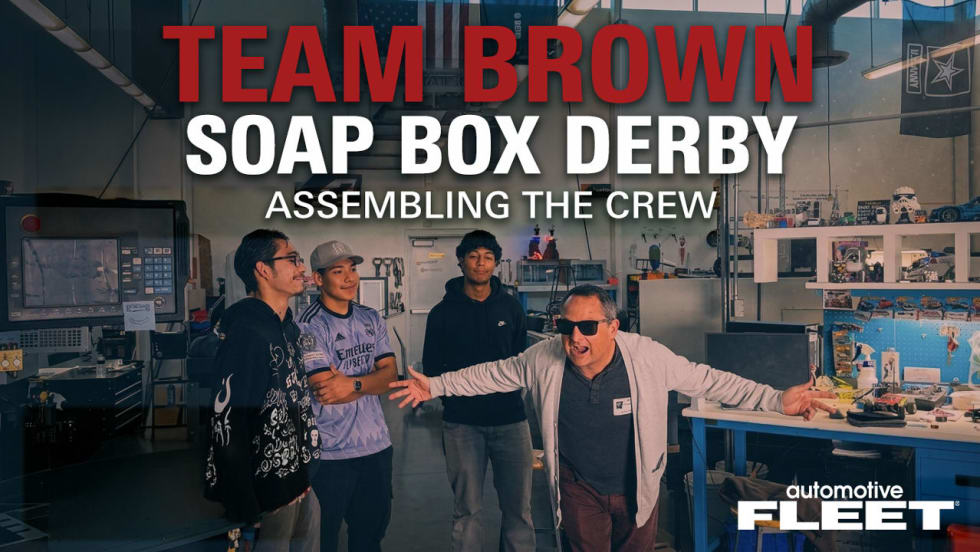
Soap Box Derby Challenge: Assembling the Crew
Meet Gabriel, Matthew, and Angel — the team helping bring this soap box derby build to life.
Read More →