




Ed Bobit: Let's Throw Some Light On It Now!!
About 5,000 people have given written responses to NTHSA's open invitation to comment on the HIDs. Just to give you an idea, that's even more concern to our motorists than complaints lodged in the Firestone tire debacle.

The pursuit of perfection, then, is the pursuit of sweetness and light.-Matthew Arnold
Woe to the man who seeks to shed a brilliant light in a place, where people want to keep in darkness and shadow.-Benedetto Croce
Macht doch den Fensterladen in Schlafgemach auf, damit mehr Licht herein komme. (Open the bedroom shutters and lei in more light.)-Johann Wolfgang Von Goethe
Give light and the people will find their own way.-Carl McGee
Being a governmental agency, the National Highway Traffic Safety Administration (NUTSA - commonly pronounced "nit'sah") keeps excellent records. No doubt it's for documenting their need for project funding (which isn't necessarily bad).
Among these records, at least in current history, they report that one of the nation's issues drawing intense comments was in the mid-'70s. That was when there was a proposal suggesting speed governors on vehicles. Of our U.S. population of some 250 million, NHTSA caught the citizen's ire 600 time.
More recently, and one we can all relate with, the airbag cutoff switches really stirred up America when they tallied a grand total of 707 comments. And that new record stood for some time.
Of course we're up to about 270 million people so it's all relative.
I know you're underwhelmed with these facts but bear with me. In the mid-'90s the new high-intensity-headlights (HID) were introduced on a few of the luxury cars. The HID lights were already fairly well known in Europe so they quickly spread to other luxury cars followed by the SUV crowd and lesser-valued cars.
The important point is that they (HID xenon headlamps) provide more illumination than conventional halogen lamps do. So, one would presume, would be safer and become standard OEM overnight. One cannot overlook the mystique of the eye-catching bluish-white glow, also. As a BMW product guy said, "Having that blue glow is part of the cachet. It looks cool."
Keep in mind that normal lights function with a tungsten filament that's electrically charged. The HID lamps are composed of two small electrodes and as the electrical charge activates between them, it ignites the xenon gas producing the intense light. They also require about a third of the electricity compared to the conventional bulbs. They also have a wider beam pattern and permit the factory design engineers more latitude.
But, they also glare!
About 5,000 people have given written responses to NTHSA's open invitation to comment on the HIDs. Just to give you an idea, that's even more concern to our motorists than complaints lodged in the Firestone tire debacle.
Something like 30 percent of the responses contained references to the glare; particularly older drivers. No one seems to know how to depict what the other 70 percent pertained to.
Statistics show that about 2,300 pedestrians are killed by cars each year; and four times as many at night compared to daytime. From a fleet manager's standpoint (now that I've shed some light on the topic) you should help your company study this change and see if you need to advise NTHSA about how you feel.
Personally, I think they're "cool" too.
More Safety
Managing Road Risk at Scale: Why Fleet Safety Needs a Data-Driven Framework
Insights from the FIA Road and Driver Safety Indexes reveal how to manage road risk on a larger scale.
Read More →
Stellantis Recalls 1.3 Million Jeep Vehicles Worldwide Over Fire Risk
Stellantis is recalling more than 1.3 million Jeep Wrangler and Gladiator models worldwide over a fire risk linked to power steering pump wiring.
Read More →
Coaching Is Not Training, Even When AI Is Doing It
AI-powered safety platforms can detect risky behaviors and deliver immediate feedback. But effective driver development still requires a foundation of training followed by coaching that reinforces those skills.
Read More →
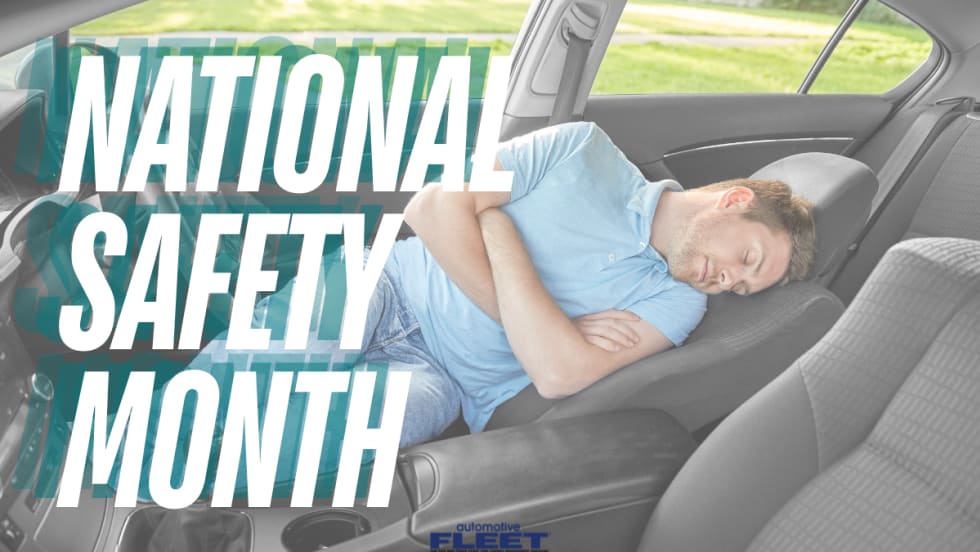
How Emotions Behind the Wheel Can Affect Fleet Safety
During National Safety Month, fleets are encouraged to look beyond distracted driving and recognize how stress, fatigue, and emotional well-being influence driver performance and crash risk.
Read More →
Nominations Open for 2026 Fleet Safety Award
Nominations have officially opened for the 2026 Fleet Safety Award Winner.
Read More →
Turning Connected Vehicle Data Into Decisions That Matter
Fleet leaders have more data than ever, but turning that data into clear, actionable decisions remains a challenge. This white paper shows how leading organizations are using connected vehicle data to improve safety, reduce costs, and optimize fleet performance. Learn how to turn insight into action across your fleet.
Read More →
Cameras, Safety and Insurance: From Reactive Claims to Real-time Prevention
Commercial auto remains one of the most challenging and costly lines of coverage for fleet operators and insurers alike. Learn more about how to effectively address these issues from Onur Aksan, Enterprise Business Development Executive, Geotab.
Read More →
NAFA Fleet Safety Symposium to Collocate With 2026 Fleet Forward Conference
The daylong certificate program will precede the Fleet Forward Conference at the Gaylord National Harbor in Maryland.
Read More →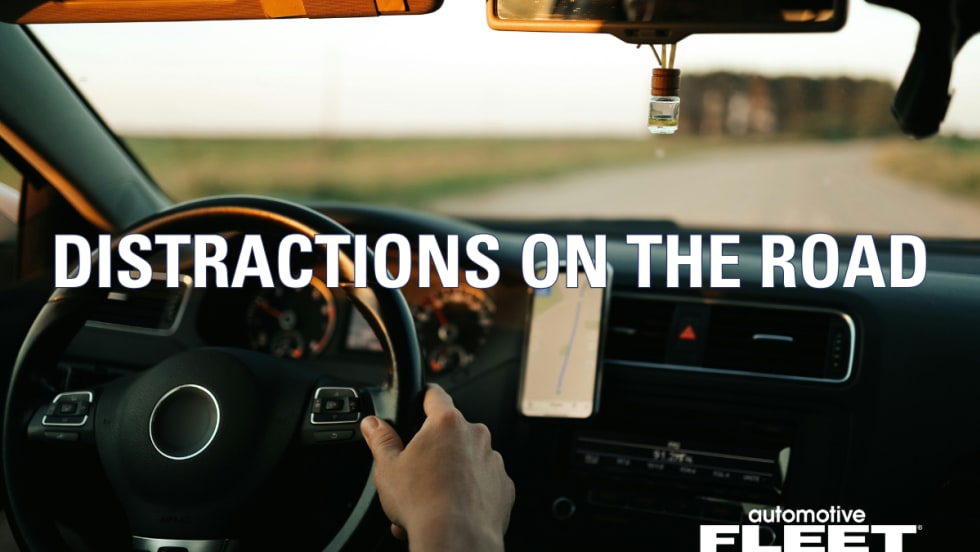
The Distractions You Can’t Turn Off: What Drivers Face Outside the Vehicle
Fleet drivers face constant visual, cognitive, and environmental interruptions the moment they hit the road. From roadside chaos to mental fatigue and digital overload, today’s biggest driving risks often come from outside the vehicle itself.
Read More →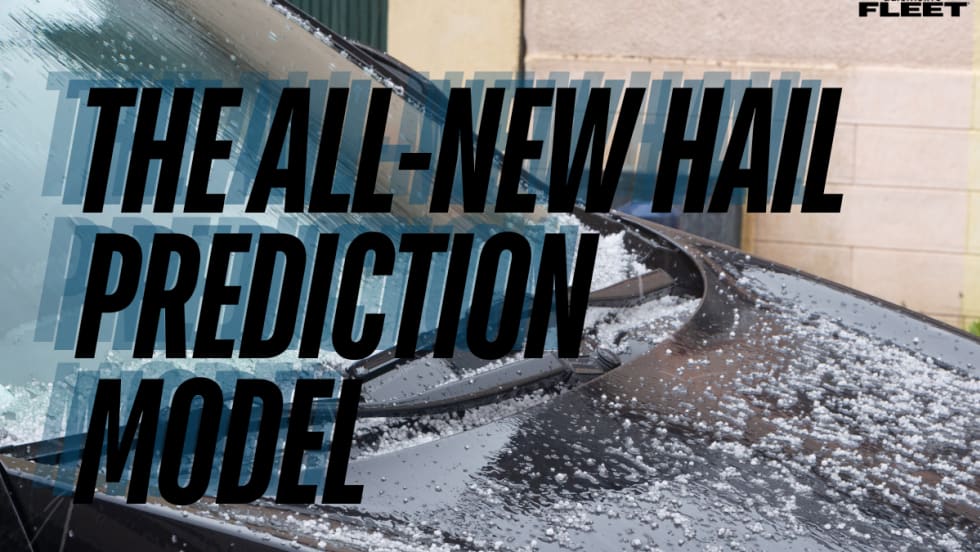
FLASH Weather AI Launches First Deep-Learning Hail Prediction Model With High-Resolution Forecasting
FLASH Weather AI has launched a first-of-its-kind hail prediction model capable of forecasting hail size and arrival time at 1-kilometer resolution up to 55 minutes ahead, giving fleets and insurers critical time to prepare for severe storms.
Read More →