





Related: Fuel-Saving Engine Calibration Software Offered for Transit Van
Derive, Meineke Offer Fuel Efficiency System, Service
Derive Systems, a vehicle software company that specializes in engine calibration, and Meineke, an auto repair company, have formed a working partnership. Derive will provide the solution, and Meineke the service and training needed by fleets.
May 3, 2016
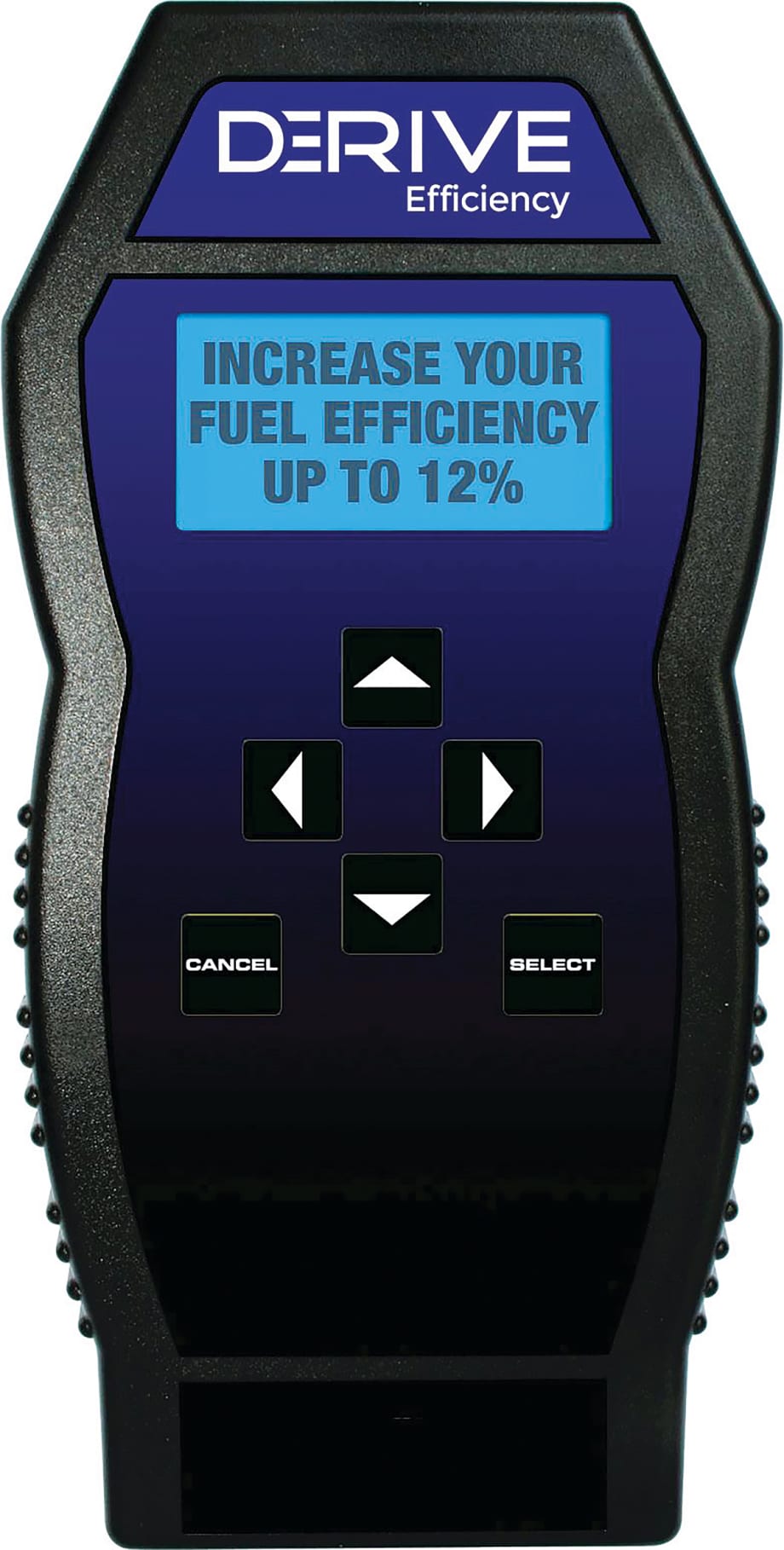
Photo courtesy of Derive Systems.
3 min to read
Image courtesy of Derive Systems.
Fleet managers are constantly searching for tools and services to improve their vehicles’ fuel efficiency.
Currently, many fleets use fuel cards and telematics to target areas of inefficiency, but the adoption of in-vehicle solutions is also on the rise.
Derive Systems has developed a non-intrusive, custom engine calibration system to help fleets save fuel. The company has partnered with Meineke Car Centers, Inc., to aid in the vehicle installation process.
Developing a New Solution
Derive Systems has been around since 2003 and it has been providing efficiency calibration software since 2009.
“Our core focus is to take near-generic engines and provide a level of calibration that can deliver improved fuel efficiency and safety,” said Tom Kanewske, senior director of business development at Derive Systems.
Derive’s engine calibration software is applied via a hand-held programmer. To install it, a technician connects the programmer to the vehicle’s engine through the OBD-II port. Then changes are made to the vehicle’s engine control module (ECM) to provide better fuel efficiency. Once the ECM is calibrated, the programmer is unplugged from the port and no hardware is left behind. Installation time is approximately 15 minutes.
Derive’s software also has the capability of setting a top-speed governor on the vehicle, making it so they can’t go faster than a preset speed. This prevents drivers from going over the speed limit, which lowers the risk of encountering dangerous situations.
“As we look towards the future and see the emergence of autonomous vehicles, connected cars, and software will become a bigger part of our daily lives,” Kanewske said.
Building a Win-Win Partnership
Derive decided to partner with Meineke because of the auto service company’s reputation as a best-in-class preventive maintenance (PM) provider and the high caliber fleets the company services.
Through its partnership with Meineke, Derive anticipates connecting with more fleets, especially those in building services, landscaping, plumbing, and HVAC.
“We want to call Meineke’s clients our clients. This partnership presents an enormous opportunity for Meineke and Derive, and especially for the fleets that we service,” Kanewske said.
As Meineke continues to expand, Derive Systems expects to match its partner’s growth.
Similarly, Meineke decided to pursue the partnership further because Derive’s goals of efficiency and safety improvement fall in line with Meineke’s mission to provide reliable and convenient service to fleets and drivers alike.
“We expect this key partnership to aid in the growth of both companies, as it will help reduce fleet expenses,” said Chris Evans, director of national accounts at Meineke Car Centers, Inc. “We’re looking forward to working with Derive and fleets across the country to help them achieve true fuel efficiency.”
Both companies have growing specializations in the fleet industry, and they strive to provide their practical, yet meaningful, services to all types of fleet vehicles. Because of it, Evans said he foresees a long-term partnership with the vehicle software company.
“The Derive partnership will combine reliable, quality service with fuel savings at our 900 plus locations in North America,” Evans said.
Subscribe to Our Newsletter
More Fuel

Turning Fleet Payment Data into Executive Insights
Ramel Lindsay of U.S. Bank Voyager discusses how fleets can transform payment and transaction data into actionable intelligence to reduce costs, improve oversight, and support executive decision-making.
Read More →
Why the IRS Raised Its Mileage Rate in the Middle of 2026
Fuel-price volatility drove the rare increase to 76 cents per mile, the fifth midyear adjustment since 2000.
Read More →
July Fuel Update: Prices Keep Rising in Light of More Conflict
Gas prices continue to rise as more and more conflicts do, too.
Read More →
Bob Adamsky on Fuel Volatility: "Don't Panic, Have a Plan."
When it comes to up and down fuel prices, Adamsky has a message for fleets: “Don’t panic.”
Read More →
How Fleets Can Gain Control of Non-Fuel Spend
Fuel often gets the spotlight, but non-fuel expenses can have a major impact on fleet costs. Ramel Lindsay of U.S. Bank Voyager discusses how fleets can gain better visibility and control over these often-overlooked expenditures.
Read More →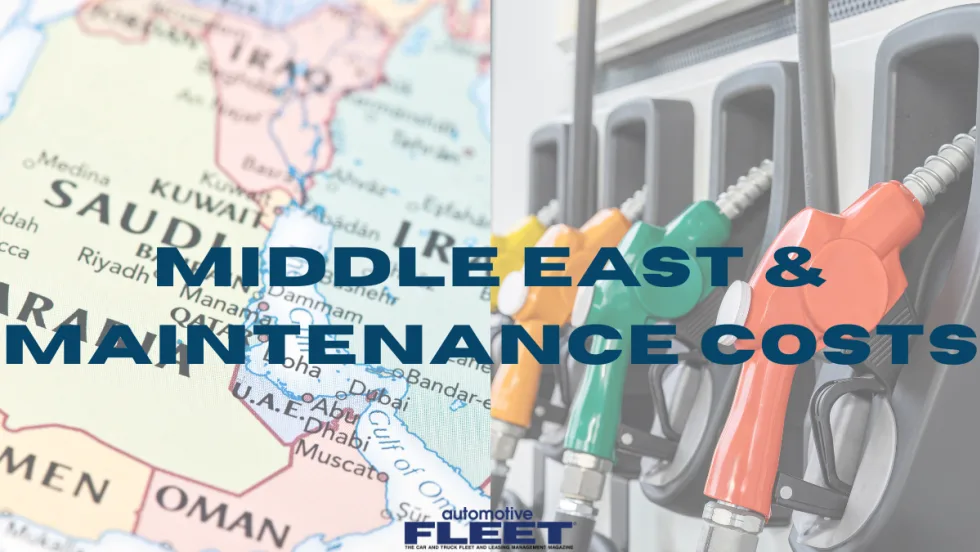
Fuel is Just the Start: How Middle East Tensions are Driving Up Fleet Maintenance Costs
The Middle East conflict is doing more than pushing up fuel prices. It’s also raising the cost of key maintenance products your fleet depends on, from motor oil to tires to windshield wipers. Here’s what you need to know about this budget-busting situation.
Read More →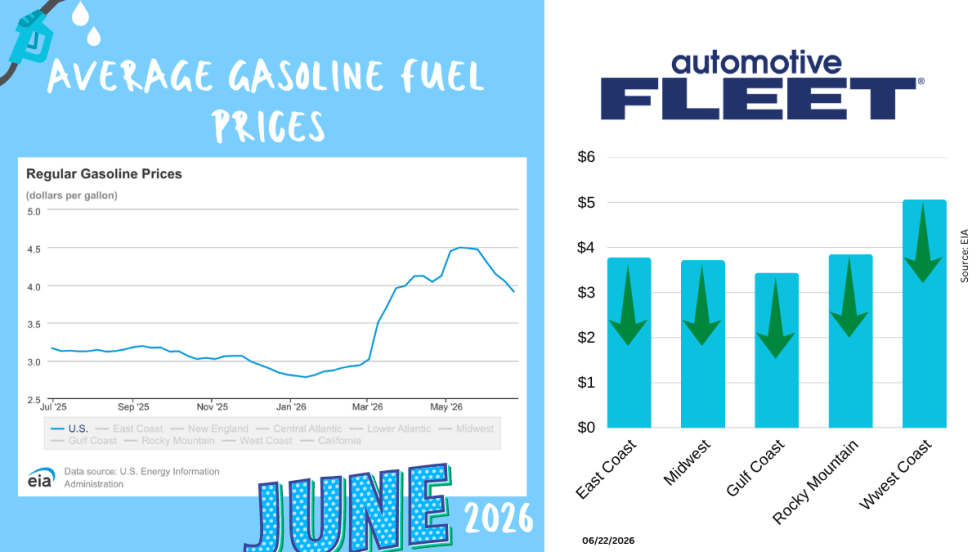
June Fuel Update: Prices Fall Below $4
Drivers are finally getting some relief at the pump. The national average gas price has dropped below $4 a gallon for the first time in months, with prices falling in 47 states as oil markets react to developments in U.S.-Iran negotiations.
Read More →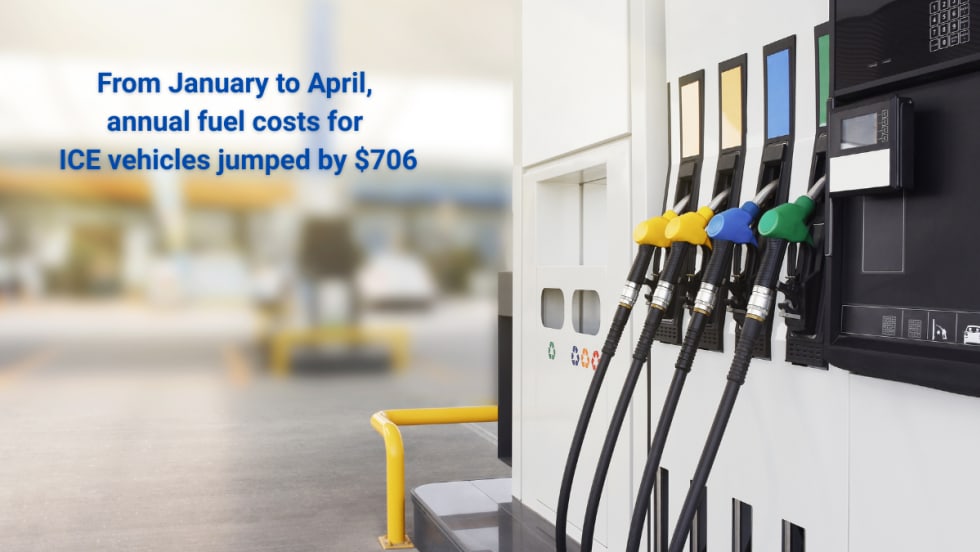
Study: How 2026's Gas Price Hikes Affect Different Vehicle Types
New data from iSeeCars reveals how rising fuel costs have affected different vehicle segments as gasoline prices climbed nearly 46% over the past four months.
Read More →
Sponsored•May 29, 2026
Are You Tracking Your Fleet's True Total Cost of Ownership?
Bobit Business Media surveyed 190 fleet professionals and found that while most fleets are tracking costs, fragmented systems and data gaps are keeping true TCO visibility out of reach. With rising pressure to control spend in an increasingly volatile environment, the gap between what fleets think they know and what the data actually shows is wider than you might expect. See how your peers are managing costs today and where the industry still has room to improve.
Read More →
May Fuel Update: All Regions Experience Declines
Gas prices are finally easing in much of the country, but experts warn global tensions could quickly reverse the trend as the national average remains well above last month’s levels.
Read More →