




Delivering Vehicles to the Ebola Hot Zone
To help combat the Ebola virus, Matthews Specialty Vehicles converted three of its units into bloodmobiles and sent them to the West African nations of Guinea, Nigeria, and Liberia.

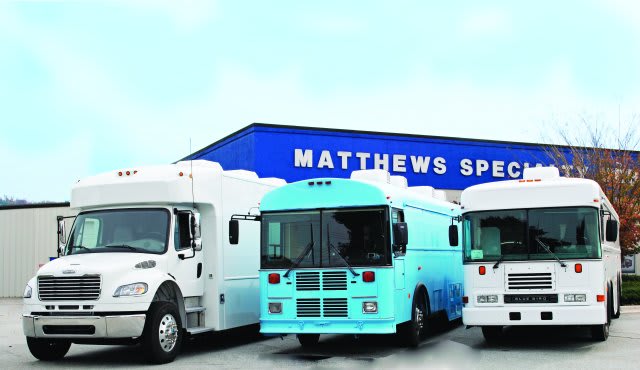
Matthews Specialty Vehicles converted three vehicles into bloodmobiles and sent them to West Africa to combat the Ebola virus. (PHOTO: MATTHEWS SPECIALTY VEHICLES)
Since 1992, Greensboro, N.C.-based Matthews Specialty Vehicles has manufactured vehicles that help make a difference, such as mobile health units and bloodmobiles, bookmobiles, mobile classrooms, and pet adoption units. The company even converted one of its used bloodmobiles into a mobile medical unit to help aid earthquake-stricken Haiti in 2010.
Most recently, when Matthews was asked to produce and deliver bloodmobiles to help combat the Ebola virus outbreak that struck West Africa in 2014, the company rose to the challenge.
Matthews converted three of its bus and truck units into blood collection and analysis vehicles, which were sent to West Africa for use by Clinical Research Management, Inc. (ClinicalRM), a contract research organization conducting clinical trials for treatment of Ebola that involve evaluation of plasma and other blood products as possible therapies for people infected with the virus.
“In layman’s terms, what they will be doing is drawing the plasma out of donors that had already contracted the virus and survived, and then getting that plasma and putting it into patients that are not doing well. That’s the clinical trial,” said Dennis Hoag, sales director at Matthews Specialty Vehicles.
Matthews’ vehicles were shipped to three West African countries affected by the outbreak: Guinea, Nigeria, and Liberia. These vehicles were designed to provide potentially life-saving treatment to parts of the world that otherwise did not have access to medical facilities, according to Hoag.
Answering the Call
Matthews’ partnership with ClinicalRM began in early October 2014, when Hoag received a call from Joseph Sgherza, senior vice president, global operations at ClinicalRM.
“Sgherza didn’t mention anything about Ebola, but he asked about our bloodmobiles, and how long it would take for us to build one. I told him a general build takes about 240 days, and he came back to and asked if we could do it in less than six weeks. I asked what he needed, and he said, ‘We have an emergency situation. I can talk to you more about it once we sign our confidentiality agreements,’ ” Hoag said.
Sgherza then revealed that Matthews’ services were needed to help fight the Ebola crisis, and requested that Matthews configure a vehicle to aid ClinicalRM’s clinical trial. ClinicalRM initially called for Matthews to retrofit one vehicle, but, as the Ebola outbreak continued to spread, the request grew to three vehicles for three nations.
“We had to do everything in a very, very short time frame. We don’t have stocked bloodmobiles because they’re customized units, and they’re very expensive,” Hoag said.
One of the vehicles Matthews configured for the effort was a Blue Bird bus converted into a bloodmobile, which Hoag purchased in Canada.
“I flew one of my employees there to check it out. It was worth getting, so I purchased it. When I came back, I refurbished it to meet ClinicalRM’s needs and get the vehicle in better working condition, as far as new cabinetry and other items. We refurbished the inside,” Hoag said.
Another unit retrofitted by Matthews was a Freightliner M2 chassis truck bloodmobile, while the third vehicle was a Thomas Built bus that Matthews had converted into a bookmobile in 2002.
“It was in very good shape, so we just had to remove the interior and reconvert the vehicle to become a bloodmobile,” Hoag added.
Converting the Vehicles
Per ClinicalRM’s specifications, Matthews outfitted the three vehicles with four donor beds each, along with custom cabinetry and storage, onboard generators for electrical needs, rooftop air conditioners, and medical equipment such as blood refrigerators and apheresis machines to draw plasma from donors.
“I was familiar with those machines, so I knew how to meet ClinicalRM’s needs. There was some other equipment that they sent me the specifications on, so we had to modify cabinetry to fit that. It was a group effort between us and ClinicalRM, and, as a specialty vehicle customer manufacturer, we were able to meet all their needs,” Hoag said.
The converted units were completed and ready for shipment by the second week of November.
“We did everything in about six weeks. It was pretty amazing,” Hoag added.
The three 40-foot units were then all loaded onto a large airplane for delivery, with the World Bank donating its services to deliver the trucks to West Africa.
Efforts Paying Off
ClinicalRM was recognized for its efforts in November 2014 by the Bill and Melinda Gates Foundation, and Matthews Specialty Vehicles was acknowledged as one of the “key industry and foundation partners in the effort,” according to the Foundation.
“We’re hoping that we can further our relationship with ClinicalRM and provide more assistance to them when the time is right,” Hoag said.
If a vehicle is needed for other regions, Matthews would follow the same conversion process, although Hoag acknowledged that the company would make additional changes to the vehicle as requested by ClinicalRM.
“Now that ClinicalRM is actually using the vehicles in West Africa, they have a really good idea of what minor changes are needed — just like if you built your house, you’d do it differently the second time — and we would incorporate all of those changes into the next unit,” Hoag said.
Originally posted on Work Truck Online
More Vehicle Research
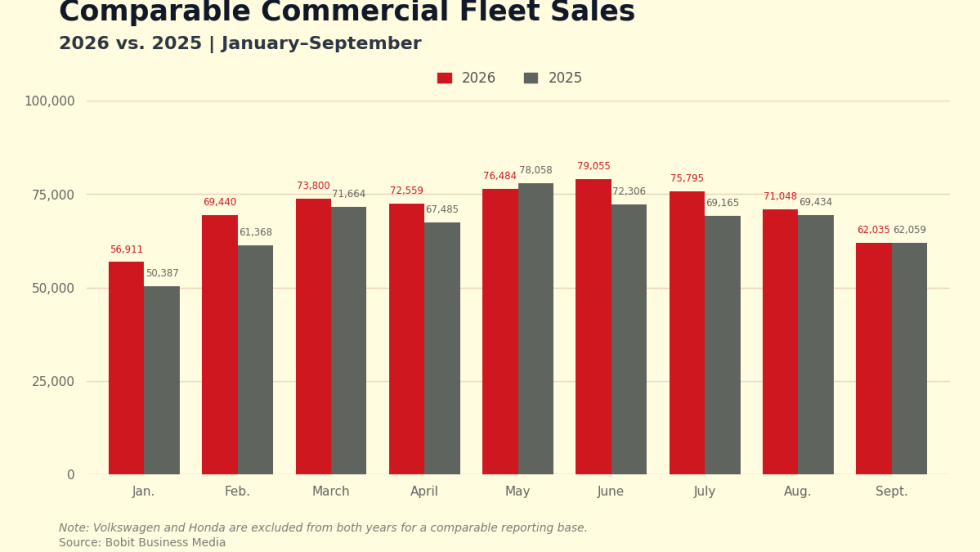
Commercial Fleet Sales Rise 5.8% Through September 2026
September commercial fleet sales were essentially unchanged from a year earlier, slowing year-to-date growth while keeping volume ahead of 2025.
Read More →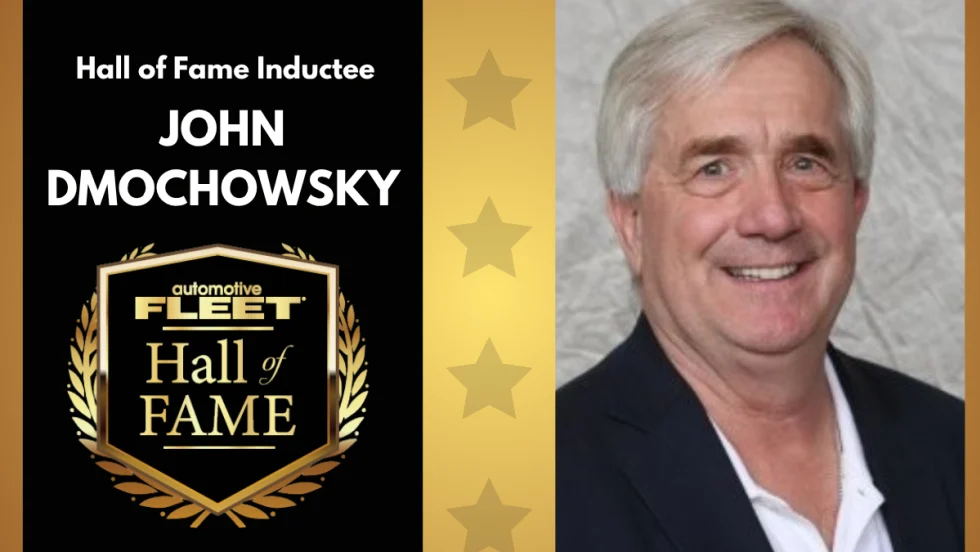
Hall of Fame Inductee: John Dmochowsky
The longtime Mondelēz International fleet executive joins the Automotive Fleet Hall of Fame.
Read More →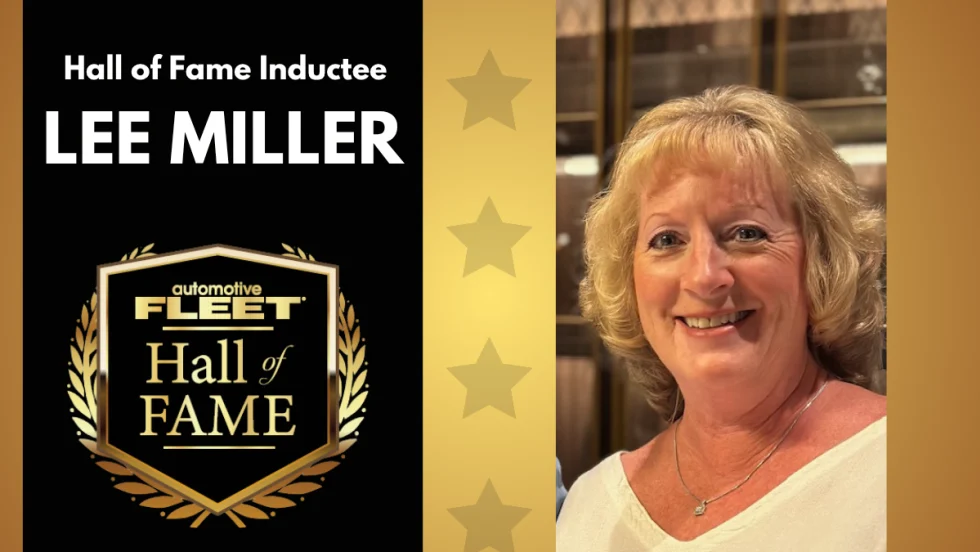
Hall of Fame Inductee: Lee Miller
After more than four decades at Boehringer Ingelheim, Lee Miller leaves a legacy built on fleet expertise.
Read More →
Hall of Fame Inductee: Mark F. Petersen
From managing fleets of thousands of vehicles to advancing safety and mentoring fellow professionals, Mark F. Petersen made his mark across both the corporate and supplier sides of fleet.
Read More →
When Charger Downtime Becomes a Fleet Availability Problem
As EV deployments move beyond pilot programs, charger reliability can directly affect vehicle readiness, driver productivity and route scheduling.
Read More →
2027 Nissan Rogue Hybrid Adds e-POWER, Standard AWD
The new Rogue Hybrid uses Nissan’s e-POWER system with dual electric motors, offers an estimated 40 mpg and starts at $35,490.
Read More →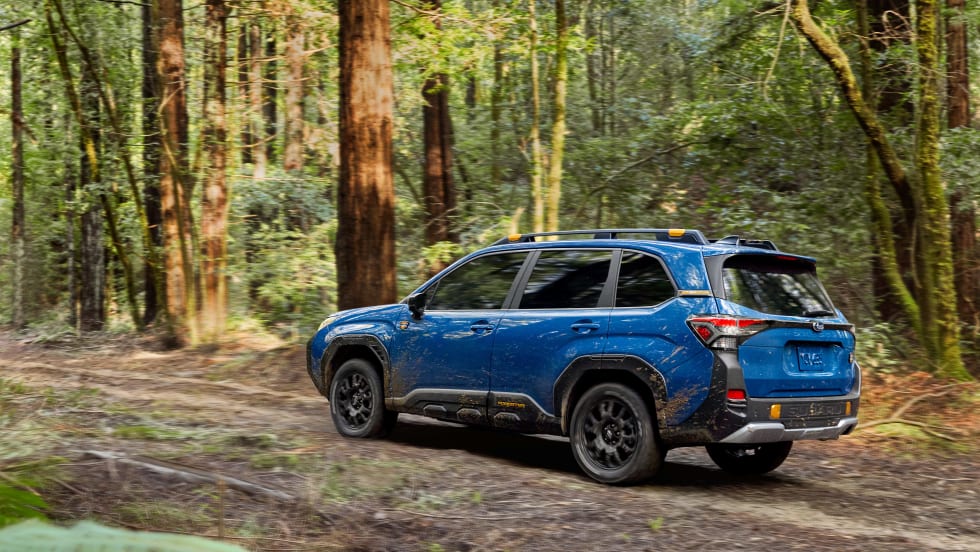
2027 Subaru Forester Adds First Wilderness Hybrid
The 2027 Forester lineup starts at $29,995 and adds a Wilderness Hybrid with 194 combined horsepower and 9.3 inches of ground clearance.
Read More →
EV Realty Names Henrik Holland President as Charging Platform Expands
The former Prologis Mobility and Shell executive will help expand EV Realty’s truck charging business and move its power-first infrastructure model into autonomous vehicle depots and other fleet sectors.
Read More →
Mercedes-Benz Introduces Electric GLC With Up to 350 Miles of Range
The GLC 400 4MATIC Electric features an 800-volt architecture, 330-kW DC fast charging and a 94-kWh battery, along with Mercedes-Benz's new MB.OS operating system.
Read More →
Fleet Has a Talent Pipeline Problem, not a Talent Problem
Where will the next generation of fleet leaders come from, and what does the industry need to do differently to find them?
Read More →