




Comparing Vans by Lifecycle Cost
This analysis shows that ownership costs for vans with similar powertrains, GVWR, and capacities can vary by manufacturer as much as $9,000.


When the Ford Transit Connect landed on U.S. shores in 2009, there should’ve been a Paul Revere warning: “The van revolution is coming!” In the years following, new models have grown the commercial van market exponentially compared to overall fleet sales.
Sales of compact and full-size vans are expected to top 500,000 units in the U.S. this year, according to Kelley Blue Book estimates.
Today, fleet operators can choose between large Euro-style unibody vans such as Mercedes-Benz Sprinter, Ford Transit, and Ram ProMaster, as well as body-on-frame models like Nissan NV and General Motors’ G-Series stalwarts Chevrolet Express and GMC Savana.
On the smaller side, the compact van market comprises Ford Transit Connect, Nissan NV200, Ram ProMaster City, and Chevrolet City Express. Mercedes even created a tweener segment when it introduced the midsize Metris van in 2015. (In fairness, we gave the Metris its own category.)
Each of these models has a myriad of capacities, payloads, roof heights, wheelbases, trim levels, and upfits to address almost any work application.
To ease what could be seen as a paradox of choice, Business Fleet presents this cost comparison for 2016-MY cargo van models based on data from Vincentric. Vincentric calculated its standard eight cost elements: depreciation, financing, fees and taxes, fuel, insurance, maintenance, opportunity cost, and repairs. This analysis covers a five-year period with an average of 20,000 miles a year.
Observations
In terms of a strict analysis of ownership costs, the models with the best five-year total cost of ownership (TCO) are the four compact vans. This isn’t surprising, as their initial costs, fuel totals, and overall depreciation are the lowest. The overall TCO winner is Nissan NV200.
In fact, two of Nissan’s larger van models — Nissan NV 1500 and 2500 — record the lowest TCO in the ½- and ¾-ton categories. Ford Transit T350 (low roof, 148-in. wheelbase) wins the 1-ton category.
The TCO for Nissan NV 1500 and 2500 come close to the lifecycle costs of the compact vans. Those larger models offer about three times more payload, towing, and cargo volume than their smaller brothers. In the right fleet application, acquiring vans with the greater capacities could far outweigh the minimal overall cost increase.
Sticking with large vans, moving further up the ladder by weight and capacity will drive up initial costs, fuel, and maintenance expense, which generally correlates with a rise in TCO. Here, a cost comparison of the same class of vans by each manufacturer is helpful. Ownership costs for vans with similar powertrains, GVWR, and capacities can vary by manufacturer as much as $9,000.
Taking this one step further, operators can pinpoint a desired TCO and then ascertain the capabilities of the models that meet that figure. By looking across manufacturers, operators have options to choose “a lot of van for the money.”
Initial cost has only a general correlation with TCO. (Vincentric’s “market price” is calculated as the invoice price, plus the destination, and minus published fleet incentives.) Many vans with low initial costs return a higher TCO — due primarily to higher depreciation.
Low fuel expense, the second largest cost after depreciation, is not always an indicator of lower TCO. The Nissan NV is a prime example — on the low end of fuel economy because of its truck frame, NV models fare very well in TCO.
Diesel models uniformly have lower total fuel costs than their gas-powered brothers. But this savings does not necessarily translate into a lower overall TCO. Higher initial costs, slightly higher maintenance costs, and substantially higher average depreciation than gas models drive up overall costs.
Results May Vary
As they say, “individual results may vary.” This theoretical exercise should be taken with some caveats, as a multitude of real-world variables come into play such as model availability, proximity to franchised dealer servicing, annual mileage, driving performance, vehicle reliability, safety features, and other vehicle-specific options availability.
As well, the Vincentric market price would not reflect individual negotiations on any model in a given market. Any discount could tip the scales to a favorable TCO not reflected here.
Originally posted on Work Truck Online
More Fuel
Fuel Prices Surge in September | September Fuel Update
September brought major fuel price swings, including diesel crossing $6 a gallon. Here’s how gas and diesel prices changed throughout the month, and where they stood heading into October.
Read More →
Turning Fleet Payment Data into Executive Insights
Ramel Lindsay of U.S. Bank Voyager discusses how fleets can transform payment and transaction data into actionable intelligence to reduce costs, improve oversight, and support executive decision-making.
Read More →
Why the IRS Raised Its Mileage Rate in the Middle of 2026
Fuel-price volatility drove the rare increase to 76 cents per mile, the fifth midyear adjustment since 2000.
Read More →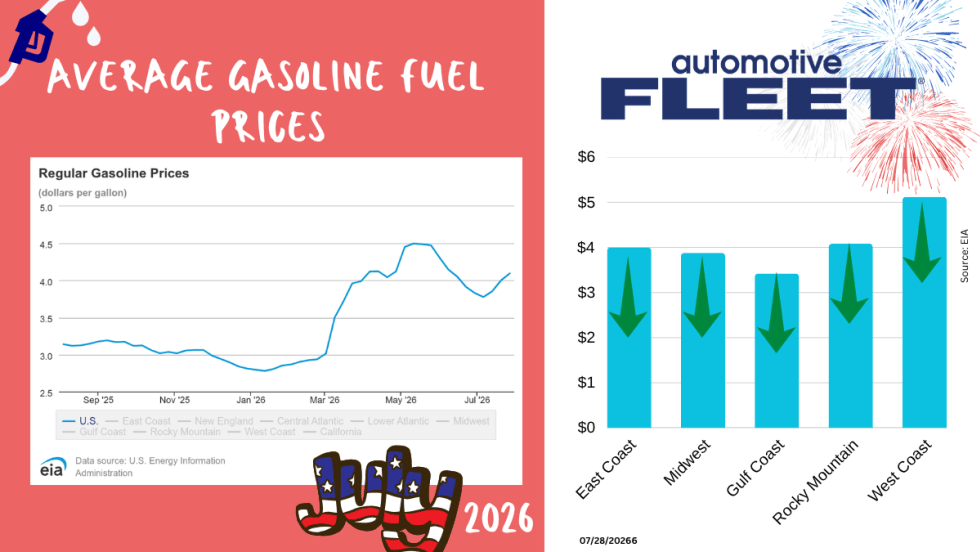
July Fuel Update: Prices Keep Rising in Light of More Conflict
Gas prices continue to rise as more and more conflicts do, too.
Read More →
Bob Adamsky on Fuel Volatility: "Don't Panic, Have a Plan."
When it comes to up and down fuel prices, Adamsky has a message for fleets: “Don’t panic.”
Read More →
How Fleets Can Gain Control of Non-Fuel Spend
Fuel often gets the spotlight, but non-fuel expenses can have a major impact on fleet costs. Ramel Lindsay of U.S. Bank Voyager discusses how fleets can gain better visibility and control over these often-overlooked expenditures.
Read More →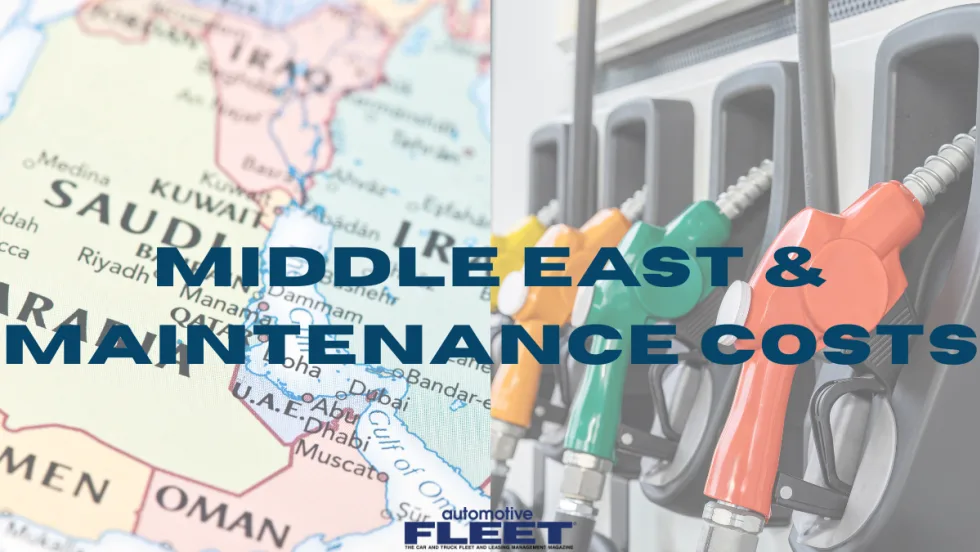
Fuel is Just the Start: How Middle East Tensions are Driving Up Fleet Maintenance Costs
The Middle East conflict is doing more than pushing up fuel prices. It’s also raising the cost of key maintenance products your fleet depends on, from motor oil to tires to windshield wipers. Here’s what you need to know about this budget-busting situation.
Read More →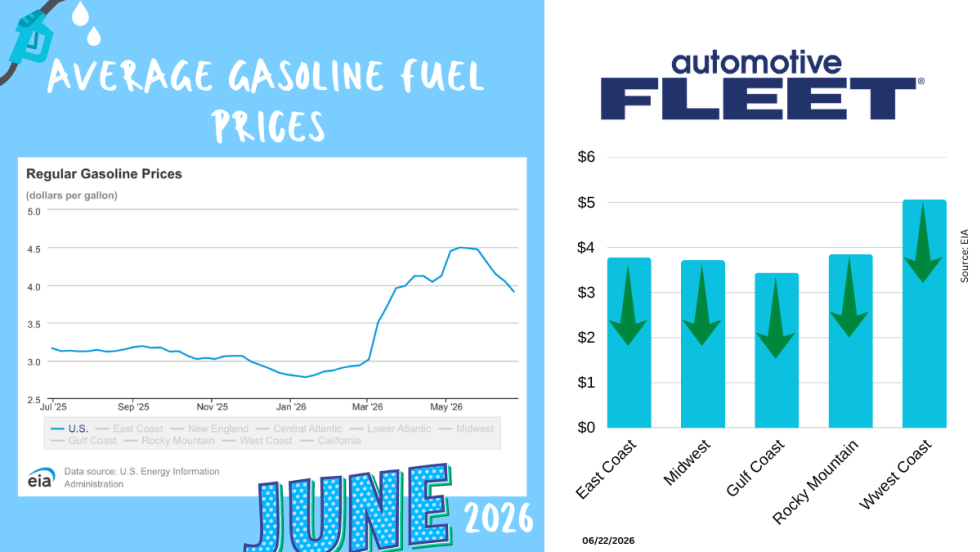
June Fuel Update: Prices Fall Below $4
Drivers are finally getting some relief at the pump. The national average gas price has dropped below $4 a gallon for the first time in months, with prices falling in 47 states as oil markets react to developments in U.S.-Iran negotiations.
Read More →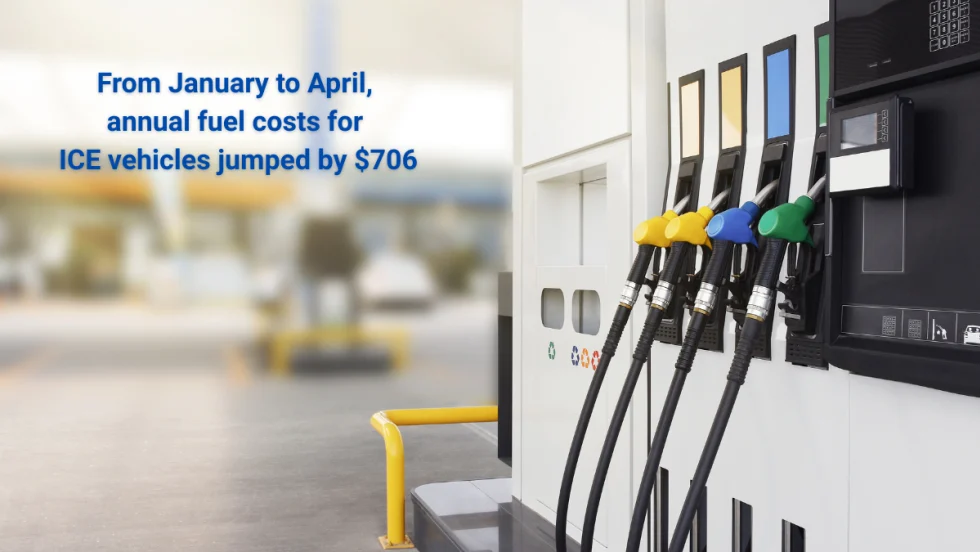
Study: How 2026's Gas Price Hikes Affect Different Vehicle Types
New data from iSeeCars reveals how rising fuel costs have affected different vehicle segments as gasoline prices climbed nearly 46% over the past four months.
Read More →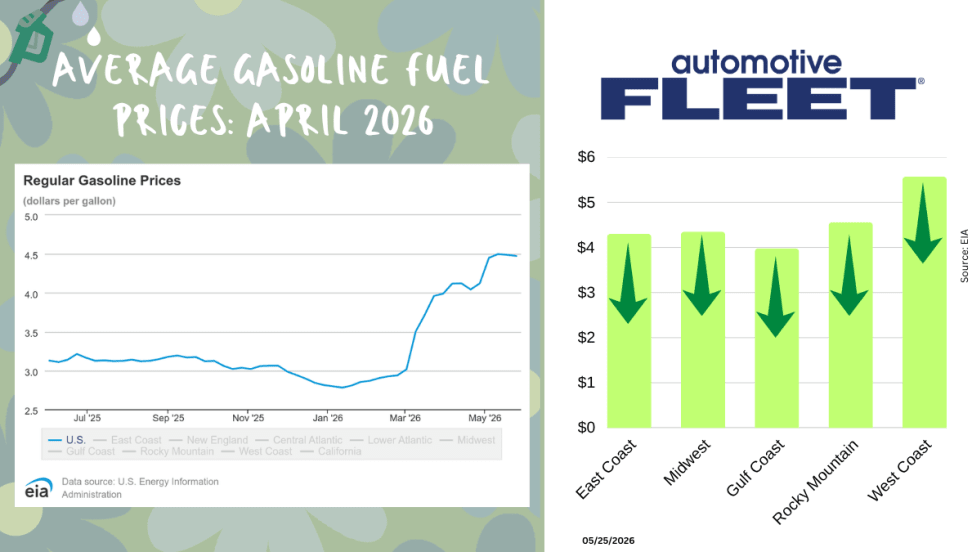
May Fuel Update: All Regions Experience Declines
Gas prices are finally easing in much of the country, but experts warn global tensions could quickly reverse the trend as the national average remains well above last month’s levels.
Read More →