




Choosing a Fuel Card for Your Fleet: 6 Features to Consider
Fuel cards are a useful tool for fleets to stay organized and improve driver efficiency. Try out these tips for choosing the right card for your fleet!
Fuel cards present many benefits, from financial tracking to time saving. If you fleet uses 1,000 gallons of fule or more a month, a fuel card could be quite beneficial over using a credit card.
Photo: Work Truck / Automotive Fleet
Reducing fuel spending is a top concern for fleet managers, but it can be made easier with fuel cards.
Fleets that use fuel cards are able to track spending and driver behavior through the use of card purchasing profiles, real-time alerts, and reporting. Ultimately, these tools allow fleet managers to identify opportunities to make targeted and measurable improvements.
What Are Fuel Cards & How Do They Work?
Fuel cards are debit cards intended specifically for fuel payments. Fuel cards collect data that fleet managers can use to monitor fuel usage, location, and more.
Depending on the type of card, drivers may need to include a unit or driver number, or vehicle mileage before being authorized to pump gas. Fuel cards are often issued by oil companies or companies that specialize in payment processing cards.
There are three types of fuel cards.
- Branded cards are issued by specific fuel companies.
- Fleet cards are intended for commercial vehicle use.
- Universal cards are most similar to credit cards, including customized reporting and controls.
Although there isn’t one type of fuel card that’s better than the others, there are pros and cons to each type of fuel card and businesses will benefit from different card offers. Fuel cards are accepted at participating locations nationwide.
Benefits of Fleet Fuel Cards
There are numerous benefits to fuel cards, including financial. Since the price of gas ebbs and flows, it’s important for fleet managers to track fuel consumption and look for redundancies, or numbers that don’t add up.
Fuel cards can track employee spending, analyze data trends, and make reporting easier. Fleet managers can set up alerts to help keep cards from being misused and prevent fraudulent activity.
Fuel cards are also time-saving tools. The tracking and reporting aspects of fuel cards streamline management duties and can reduce lengthy reimbursement processes and cut down on paperwork.
Plus, since fuel cards can be used anywhere, drivers don’t need to worry about finding a certain brand of gas station.
Fuel Cards vs. Credit Cards
When businesses first think about moving to fuel cards for drivers, the main factor to consider is the amount of fuel purchased per month. It’s recommended that if your fleet uses 1,000 gallons of fuel or more per month, use a fuel card to take advantage of rebates.
Fleets that don’t quite go through that much fuel might be better off using credit cards when buying fuel.
Here are a few key differences between fuel and credit cards.
Fuel Cards | Credit Cards |
|
|
Six Features to Consider When Selecting a Fuel Card
1. Where It Can Be Used
It’s important to know in advance where a fuel card can be used. If a card limits purchases to certain locations, are those locations easily accessible for your drivers? If your fleet has different types of vehicles with different fuel sources (like diesel or electricity), the fuel card must account for that as well.
2. Mobile/Online Account Access
Both fleet managers and drivers can stay informed with mobile alerts and online access to their spending accounts. They can receive alerts about over-tank purchases and other exceptions, find the closest fueling station to their vehicle, view spending history, and more.
3. Security
Businesses can monitor for potential fraud by setting up alerts, such as when attempts to exceed their fueling limit or unusual odometer readings are entered. Fuel cards can be set up so that drivers must enter their unique ID to purchase fuel, ensuring that unauthorized users cannot use the card.
4. Customer Service
Driver support is the key to drivers spending more time on the road and less time troubleshooting issues with their fuel cards. If the fuel card has a driver support line, every driver should have the contact information handy. If a driver is at the pump and forgets their ID or their card is declined, they can call and get the support they need to complete a fuel purchase.
5. Fuel Analytics
Many fleet cards can capture fuel data, such as price per gallon, fueling location, driver ID, and odometer readings for each purchase. This gives fleet managers the opportunity to analyze fuel spending and identify opportunities to improve.
6. Financial Tracking
Having fuel financials in one digital dashboard helps minimize time spent on accounting administration by reducing or eliminating the need for hard-copy fuel receipts. Odometer reading entries at the pump help keep an accurate log of how much fuel your vehicles are using. Financial tracking also makes it easier to monitor spending, view trends, and generate reports.
Fuel cards are a useful tool for fleets to stay organized, track spending, and improve driver efficiency. There are a variety of fuel cards available, and each offers assorted features. When exploring fuel card options, consider what your fleet needs are and what specifically you're looking for in a fuel management solution.
Editor's Note: This article was originally published in May 2022 and was updated on February 3, 2025, for continued relevancy on the benefits of fleet fuel cards, fuel analytics, and financial tracking.
Originally posted on Work Truck Online
More Fuel
Fuel Prices Surge in September | September Fuel Update
September brought major fuel price swings, including diesel crossing $6 a gallon. Here’s how gas and diesel prices changed throughout the month, and where they stood heading into October.
Read More →
Turning Fleet Payment Data into Executive Insights
Ramel Lindsay of U.S. Bank Voyager discusses how fleets can transform payment and transaction data into actionable intelligence to reduce costs, improve oversight, and support executive decision-making.
Read More →
Why the IRS Raised Its Mileage Rate in the Middle of 2026
Fuel-price volatility drove the rare increase to 76 cents per mile, the fifth midyear adjustment since 2000.
Read More →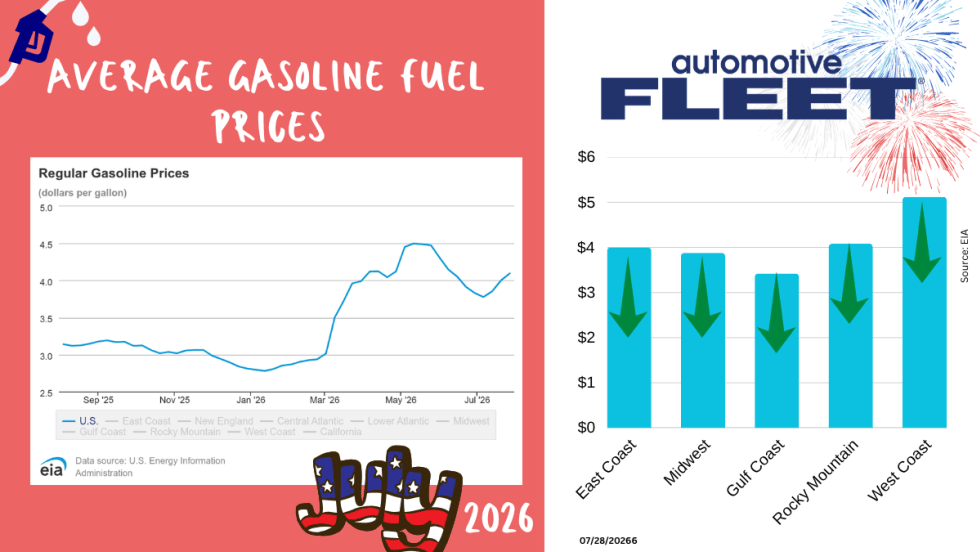
July Fuel Update: Prices Keep Rising in Light of More Conflict
Gas prices continue to rise as more and more conflicts do, too.
Read More →
Bob Adamsky on Fuel Volatility: "Don't Panic, Have a Plan."
When it comes to up and down fuel prices, Adamsky has a message for fleets: “Don’t panic.”
Read More →
How Fleets Can Gain Control of Non-Fuel Spend
Fuel often gets the spotlight, but non-fuel expenses can have a major impact on fleet costs. Ramel Lindsay of U.S. Bank Voyager discusses how fleets can gain better visibility and control over these often-overlooked expenditures.
Read More →
Fuel is Just the Start: How Middle East Tensions are Driving Up Fleet Maintenance Costs
The Middle East conflict is doing more than pushing up fuel prices. It’s also raising the cost of key maintenance products your fleet depends on, from motor oil to tires to windshield wipers. Here’s what you need to know about this budget-busting situation.
Read More →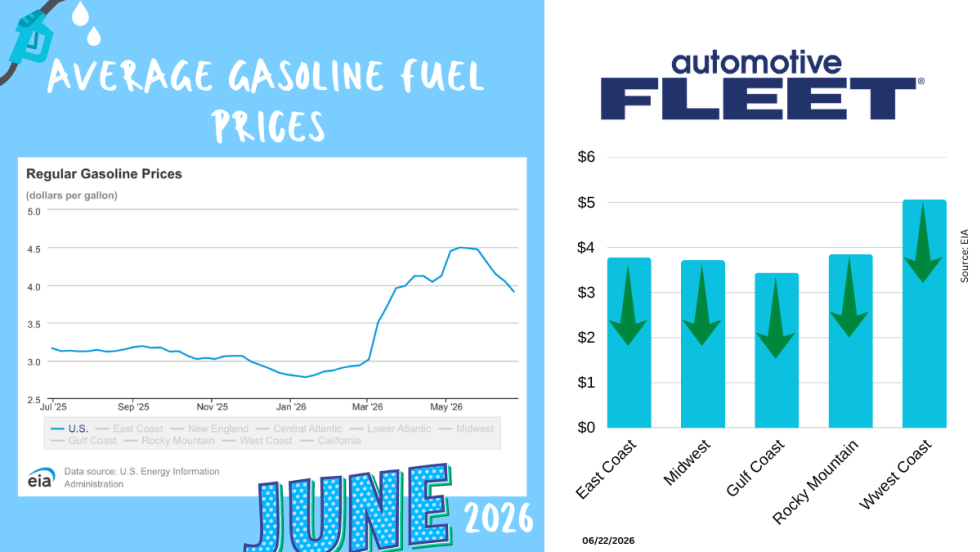
June Fuel Update: Prices Fall Below $4
Drivers are finally getting some relief at the pump. The national average gas price has dropped below $4 a gallon for the first time in months, with prices falling in 47 states as oil markets react to developments in U.S.-Iran negotiations.
Read More →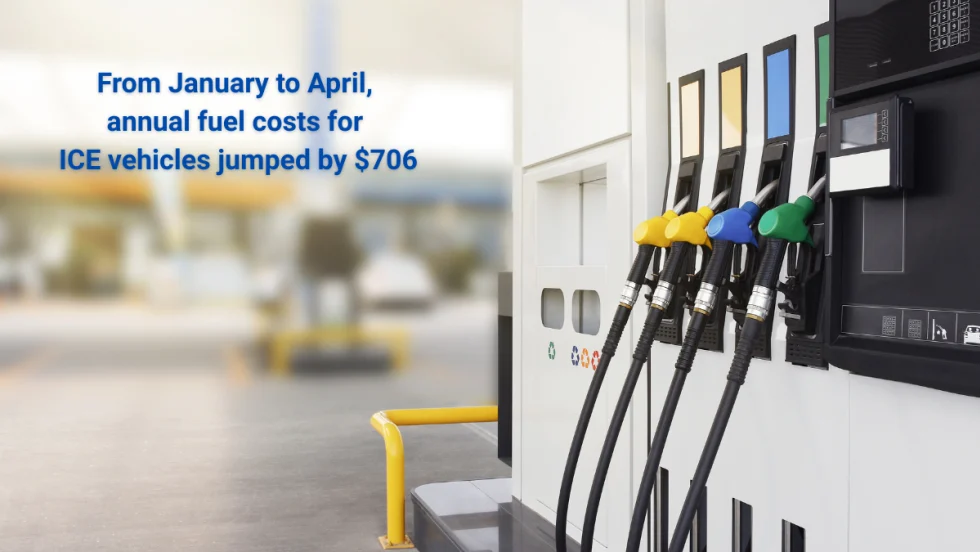
Study: How 2026's Gas Price Hikes Affect Different Vehicle Types
New data from iSeeCars reveals how rising fuel costs have affected different vehicle segments as gasoline prices climbed nearly 46% over the past four months.
Read More →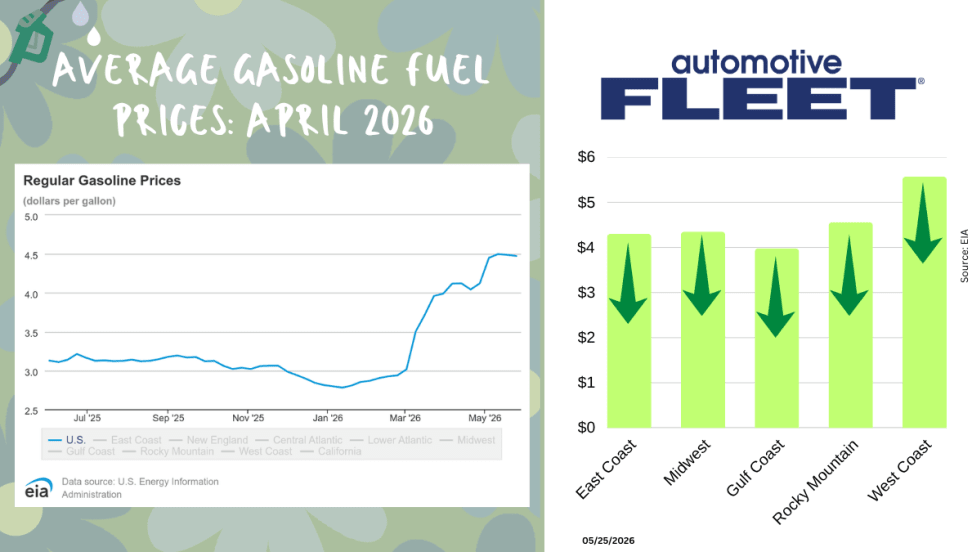
May Fuel Update: All Regions Experience Declines
Gas prices are finally easing in much of the country, but experts warn global tensions could quickly reverse the trend as the national average remains well above last month’s levels.
Read More →