




Related: Maintenance, Safety, and Compliance: Why Telematics Should Be Your Sidekick
Cheat Sheet to Capitalizing on Fleet Data
These four simple reminders can help you make sure that your fleet is taking full advantage of the benefits that telematics can bring to any operations.
by Staff
November 30, 2016
Graphic courtesy of iStockphoto.com.
5 min to read
Graphic courtesy of iStockphoto.com.
While many fleets understand the benefits of knowing where your vehicles have been and are going, they might not be digging as deep as they can to mine through all the useful data being pulled on a daily, hourly, and, sometimes, by-the-minute basis. Here are some easy reminders on how to get the most out of your data.
Cheat Sheet Reminder #1: Pare Down Big Data
Companies can feed all the data they collect into internal databases, and through the integration of third-party programs, can carry out an in-depth analysis. By looking at vehicle efficiency and driver behavior, they can benchmark fleet performance and find connections and relationships between different factors.
It can be as simple as a fleet wanting to determine whether or not they are getting the proper fuel efficiency out of their vehicles. They would compare the fleet’s miles per gallon against the manufacturer’s listed fuel consumption rating, as well as things like fuel consumed versus fuel card purchases, or even how different road conditions and weather affect fuel economy.
In most cases, fleets can use what they learned from big data in three different ways: benchmarking, predictive analysis, and the use of aggregate intelligence data sets. Benchmarking, like the situation previously mentioned concerning fuel economy, can give drivers a goal to attain, and show fleet managers where they can find the weakest link and the best ways to strengthen it.
Predictive analysis gives managers a prediction, based on past performance, on the behaviors that could affect a driver’s ability to navigate their route safely and securely. Aggregate intelligence datasets allow fleets to look broadly at the collected data and determine very specific predictions, such as dangerous intersections based on the past number of accidents.
Cheat Sheet Reminder #2: Consolidate Your Choices
It’s not always easy to sell the idea of telematics to upper management decision-makers in your company. That’s why some fleets combine telematics with other solutions to garner more buy-in through the concept of data integration. For example, fleets now have the ability to combine video with telematics to reduce risk even more, improve accident rates, and have the ability to offer visual evidence to disprove false claims.
Telematics can also become an assistant to other departments in your company, including payroll. Through an application programming interface — or API — a telematics system can deliver information such as driver name, the time windows in which they used their vehicles, and even time on-site. Pair that with the creation of optimized routes for each driver, and you have a system that will allow your organization to immediately send information to your enterprise resource planning (ERP) system to allow for faster customer billing and notification.
Telematics systems, while seen as a safety tool in terms of driver training, can also help be integrated with systems that help them avoid collisions and re-train them while on the job. Crash avoidance systems, while gaining popularity in the consumer vehicle market at the OEM level, can become important tools in the aftermarket commercial vehicle market as well. These systems offer visual and audible alerts to drivers if an imminent collision is detected, which can reduce accident rates. The system can automatically alert drivers when there are unintentional lane departures, unsafe following distances from vehicles ahead, forward collision warnings, and pedestrian collision warnings.
Cheat Sheet Reminder #3: Get in the Game
While gamification is still in its infancy, its acceptance is growing and becoming more than just a tool to improve driver behavior. The popularity of smartphones and the increasing number of available apps are a driving force behind gamification’s acceptance by drivers, who once saw its use as a tool of “Big Brother.” It’s becoming more of a form of social gaming among drivers, with each one trying to outdo the other’s score.
Driver scores could measure a decrease in speeding or hard braking over a defined time period, or could measure who is getting the highest MPG score over a month. It can bring out the competitive nature in drivers, which can then lead to reduced fuel usage, increased productivity, and fewer accidents. And prizes are not a necessity. While an extra vacation day or cash bonus will certainly sweeten the pot, something as simple as bragging rights can give drivers all they need to do their best.
But don’t try to do it all at once. Gamification is best served in small doses, and if you try to rush your fleet into a program, you might see some pushback. Ease into the concept, see if there are any concerns or complaints, make adjustments, and then try again. It is not something that works overnight, but the benefits of creating a fun and interactive program has more pros than cons.
Cheat Sheet Reminder #4: Sharing Is Underrated
With all that data you’re extrapolating from your telematics system, why not give others a look at the wares? In other words, why not share some of your information with your customers? While this won’t work in every aspect of the fleet industry, in terms of those that use their vehicles for delivery of goods or services, telematics can give your customers some sense of timing and reliability.
Maybe it’s something as simple as automatic updates on the state of a supply delivery to a customer. And with the constant evolution and fine-tuning of smartphone applications, you might even be able to create an app which follows your customers goods from pickup to delivery, giving them reassurance that their business is important to you.
The world of telematics is an ever-growing and evolving landscape. In the years that come, who knows what else will be possible with the devices, data, and software that is out there and on the horizon. But it’s best to keep ahead of the pack when applying telematics to your fleet by taking full advantage of the benefits as they continue to develop.
Subscribe to Our Newsletter
More Telematics

GM Launches OnStar Fleet Intelligence Platform With AI Assistant
The new platform brings vehicle data, order tracking, connected services and fleet analytics into one system, with an AI assistant that can answer fleet questions using natural-language prompts.
Read More →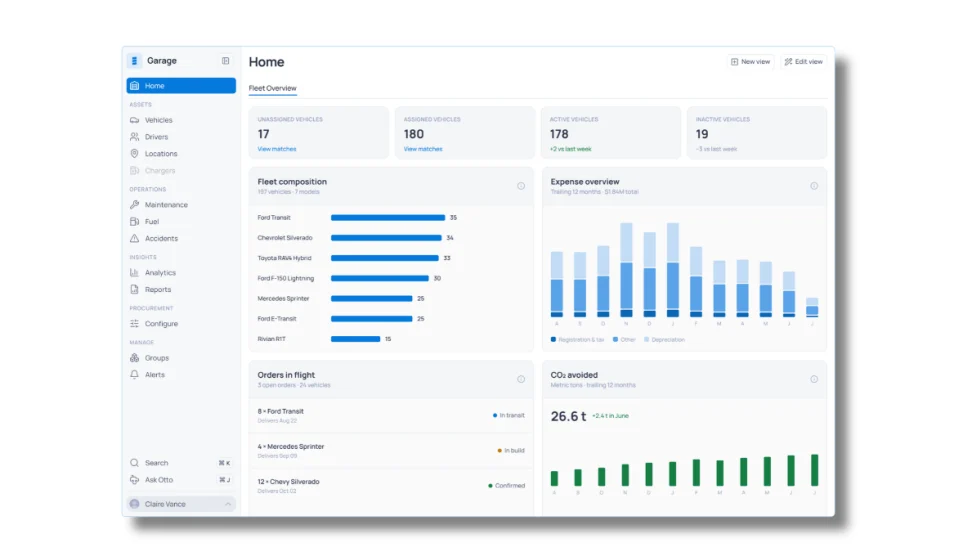
Inspiration Fleet Introduces Garage 2.0 Fleet Intelligence Platform
Fleet managers increasingly have access to data from vehicles, telematics, fuel, charging, and other systems, but those sources don't always communicate with one another. Inspiration Fleet's Garage 2.0 platform brings that information together while letting fleets keep working with different technology and service providers.
Read More →
Inside Inspiration Fleet’s New Platform for Connecting Fleet Data
Inspiration Fleet CTO Chris Getner explains how the new Garage 2.0 platform is designed to connect disparate fleet data and what that could mean for fleet managers in practice.
Read More →
Sponsored•October 1, 2026
Fleet Manager’s Ultimate Playbook: Navigating the New Standard in OEM Connectivity
Rising operating costs, driver safety concerns, and unplanned downtime are putting unprecedented pressure on modern fleets. Discover how fleet managers use embedded OEM connectivity and real-time vehicle data to cut TCO, prevent downtime, and protect drivers without aftermarket telematics hardware.
Read More →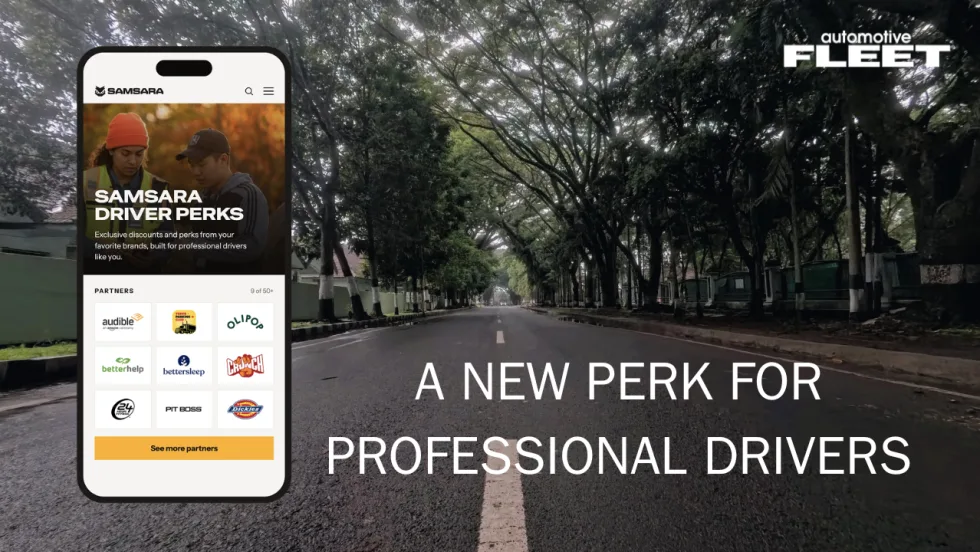
Samsara Driver Perks Adds New Benefit for Corporate Fleet Drivers
The rewards program gives eligible professional drivers access to discounts from more than 50 brands while giving fleets another way to support recruitment, retention, and the driver experience.
Read More →
Inside the Church of Jesus Christ of Latter-day Saints’ Two-Track Telematics Strategy
With 20,000 vehicles and two fundamentally different driver populations, the Church faced a fleet management problem that a single telematics program couldn't solve. How it responded offers a replicable framework for any fleet where one size doesn't fit every driver.
Read More →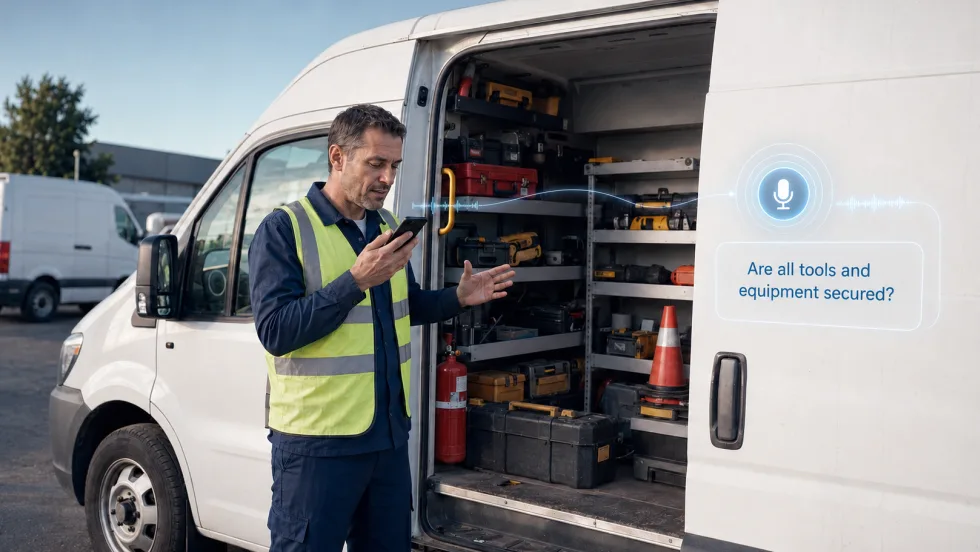
How Conversational AI Can Make Fleet Tasks Easier for Drivers
While most generative AI tools help fleet managers interpret data at their desks, Connex2X is applying voice interaction to tasks behind the wheel.
Read More →
Why Fleets Are Creating Dedicated Fleet Analyst Positions
Are fleet analyst positions the new norm? Listen here to find out.
Read More →
Teletrac Navman Begins Next Chapter as Standalone Private Company
What's new with Teletrac Navman and its new owner?
Read More →
Why Fleets Are Creating Dedicated Fleet Analyst Positions
Telematics, AI, EVs, and connected technologies are generating more fleet data than traditional teams can effectively manage. Reed Jackson explains why dedicated fleet analytics roles are emerging to turn that information into better operational decisions.
Read More →