




CEI Hits All-Electric Vehicle Repair Milestone
Repairing all-electric vehicles poses extreme hazards for technicians. If not handled correctly, repairing one of these vehicles could result in an electrical shock.
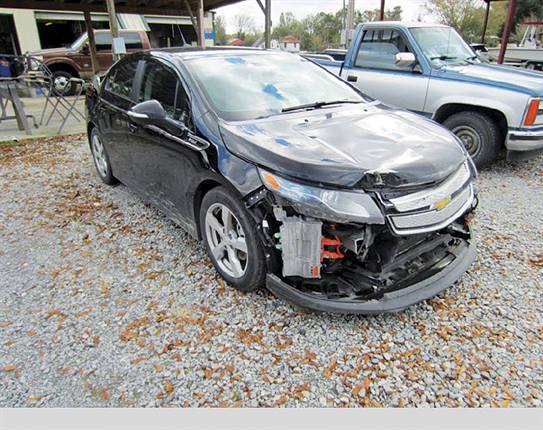
The CEI Group has worked with its 4,000-shop network to repair more than 1,200 electric vehicles, including this Chevrolet Volt. Photo: The CEI Group
As an increasing number of companies utilize electric vehicles (EVs) in their fleets, vehicle breakdowns are inevitable. And, when a breakdown occurs, The CEI Group, an accident and risk management company for commercial, truck, and government fleets is prepared.
The company handled its first all-electric accident claim in August 2011. The company hit 1,000 all-electric fleet vehicle repairs in September 2013, and today has worked with its 4,000-shop network to complete more than 1,200 EV repairs.
“This constitutes more than $3 million in repairs on electric vehicles alone,” said Bob Glose, CEI’s director of operations.
EV Use a Growing Fleet Trend
CEI provides services for a broad scope of fleet vehicles, including government, trucking, and every imaginable sedan fleet in-between.
“Not all of these fleets have embraced or utilized the electric models, but it is a trend we see growing,” Glose stated. Top models used in the fleets that CEI services are the Chevrolet Volt and Ford C-MAX Hybrid and Energi. But, what makes these repairs different from traditional fleet vehicles?
“If the electrical system isn’t involved, a repair on an all-electric vehicle can be just like one for any other fleet vehicle,” Glose said. “But, when the electrical system is involved, it’s a different matter, both in terms of expense and repair time.”
Avoiding Fatal Repair Risks
The electrical system on an EV must be shut down before any repairs are made, or the repair technician runs the risk of a fatal shock, according to Greg Neuman, CEI’s manager of Quality Control.
“EV body repairs are the same as when working on a gasoline-powered fleet vehicle, but the first thing with most repairs on an electric vehicle is you have to power the vehicle down and pull the main fuse on the hybrid battery,” he explained.
Neuman added that technicians must be careful when handling any electrical components even after the vehicle is powered down. “If electrical components are damaged and the vehicle will not run, most times you have to bring in a specialist to diagnose the issue,” he said.
Advanced Technology Requires Specialized Expertise
Initially, finding the right people to perform the repairs on the electronic components was the greatest challenge for CEI.
“When the Chevrolet Volt first came to market, there were a lot of unknowns,” Neuman said. “But, as the new technology continues to increase out in the field, more highly trained technicians are available to troubleshoot and perform the repairs.”
Neuman added that, as long as the correct replacement parts are used, the vehicles should run effectively.
“However, there could be long-range issues where the vehicle’s battery just wears out,” he said. “We do not know how long this is yet. Some estimates are 10 years. But, thanks to EV battery life advancement, the prices of replacement batteries, which initially ran as much as several thousands of dollars, have fallen significantly.”
More Green Fleet

Merchants Fleet Reports 290M EV Miles as Fleets Navigate Changing Electrification Market
From millions in operating savings to hundreds of millions of EV miles, Merchants Fleet’s latest report reveals what’s working and what’s changing in fleet electrification.
Read More →
The EV Breakdown Nobody's Talking About: Why Most Electric Vehicle Roadside Calls Aren't Mechanical Failures
Here's why EV breakdowns are widely misunderstood.
Read More →
ChargePoint Now Available in Energy Pass
ChargePoint and additional planned charging network integrations were added to GM's Energy Pass.
Read More →

First Look: Slate Auto's Electric Fleet Pickup
Could an affordable, modular EV pickup make electrification more practical for fleets?
Read More →
Slate Debuts Colorful, Unique EV Models
A recent media and client event, studded with electric vehicles dressed up on platforms, planted a new position for the manufacturer in the wider EV market. Fleets will find cost-saving advantages.
Read More →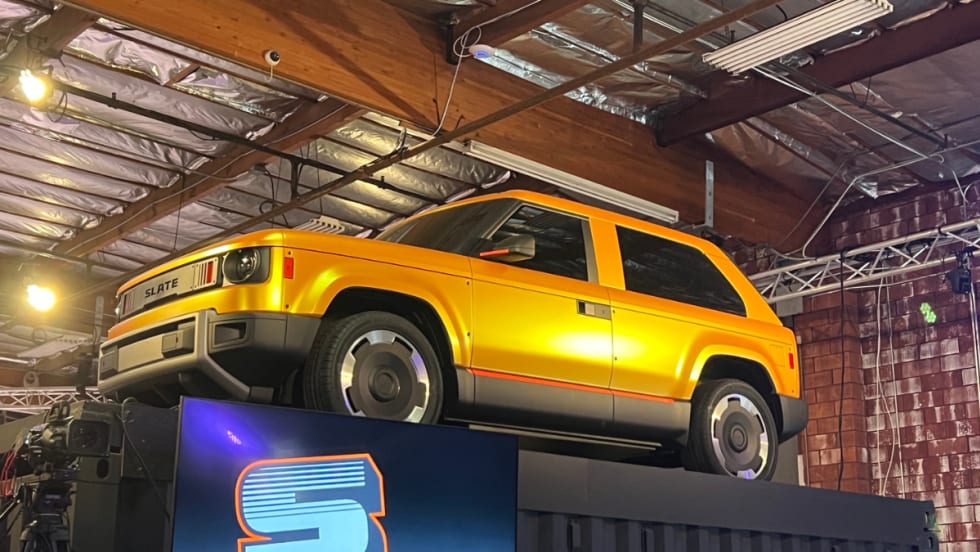
Slate Electric SUV, Pickup Switchable Model Aims For Light-Duty Fleets
Everything about this EV is counterintuitive and understated, making it stand out from the crowd.
Read More →
Inspiration Mobility Acquires Key Electrada Assets
Inspiration Mobility Group has acquired select assets of Electrada, adding the fleet electrification provider's team, technology, and charging infrastructure development capabilities to its energy management business.
Read More →
Turning Connected Vehicle Data Into Decisions That Matter
Fleet leaders have more data than ever, but turning that data into clear, actionable decisions remains a challenge. This white paper shows how leading organizations are using connected vehicle data to improve safety, reduce costs, and optimize fleet performance. Learn how to turn insight into action across your fleet.
Read More →
Are You Tracking Your Fleet's True Total Cost of Ownership?
Bobit Business Media surveyed 190 fleet professionals and found that while most fleets are tracking costs, fragmented systems and data gaps are keeping true TCO visibility out of reach. With rising pressure to control spend in an increasingly volatile environment, the gap between what fleets think they know and what the data actually shows is wider than you might expect. See how your peers are managing costs today and where the industry still has room to improve.
Read More →