




Case Study: Water District Reduces Operating Costs with Telematics
Forced to establish mandatory water usage restrictions, Eastern Municipal Water District needed to reduce operating and labor costs to make up for shrinking revenues from lower customer consumption.
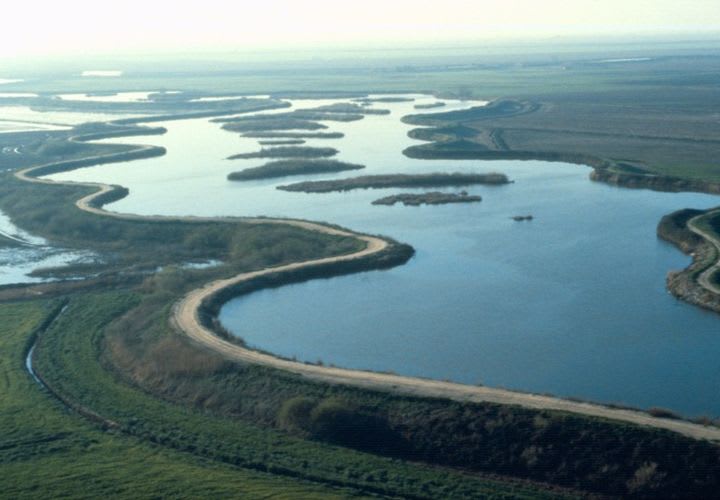
The California Delta supplies water to EMWD customers.
Photo: EMWD
Located in drought-stricken Riverside County, Calif., Eastern Municipal Water District (EMWD) provides fresh and recycled water and wastewater services to a 555-square-mile area.
The Fleet:
EMWD operates a 350-vehicle fleet.
The Challenge:
Forced to establish mandatory water usage restrictions, EMWD needed to reduce operating and labor costs to make up for shrinking revenues from lower customer consumption.
According to Mark Iverson, EMWD Maintenance Director, one of the agency's initial goals was to make more efficient use of its fleet. "When the district extended the criteria for vehicle life from 10 years/200,000 miles to 12 years/250,000 miles, we began a study that covered all aspects of fleet management and efficiency," he noted.
The Solution:
EMWD installed telematics devices on all 1996 or newer vehicles. In addition to the potential savings in operating costs, EMWD chose its telematics solution for the plug-and-play installation capability and 24/7 roadside assistance, which was included in the cost.
Because EMWD's telematics device connects to the engine's OBD-II, the organization can now remotely monitor engine diagnostics, fault codes, and emissions control system status. For example, EMWD staff receive an immediate alert when there is an engine problem, allowing them to proactively repair the vehicle before the problem worsens.
The Results:
EMWD initially focused on drivers' habits such as speed and idle time, which have a huge impact on fuel usage. This simple measure has improved mpg, while reducing the risk of speed-related accidents.
Since supervisors can now log in and view a GPS-based map of vehicle locations, they can dispatch the vehicle closest to an emergency or other work not scheduled in advance. With more efficient vehicle usage, employees drove about 165,000 fewer miles, and fuel costs declined by about $79,000 (as compared to the previous year's data for the same period).
Improved routing has also resulted in less time behind the wheel, giving EMWD employees more time to focus on work-related tasks. The payoff has been a significant reduction in the backlog of work.
"The final result is a productivity savings valued at nearly $354,000 in the six months alone," Iverson said. "Less time driving means more productive time for employees. We've already recouped our one-time equipment and startup costs in three months. And the money we save in fuel and labor more than pays for our monthly subscription fee."
Originally posted on Work Truck Online
More Telematics
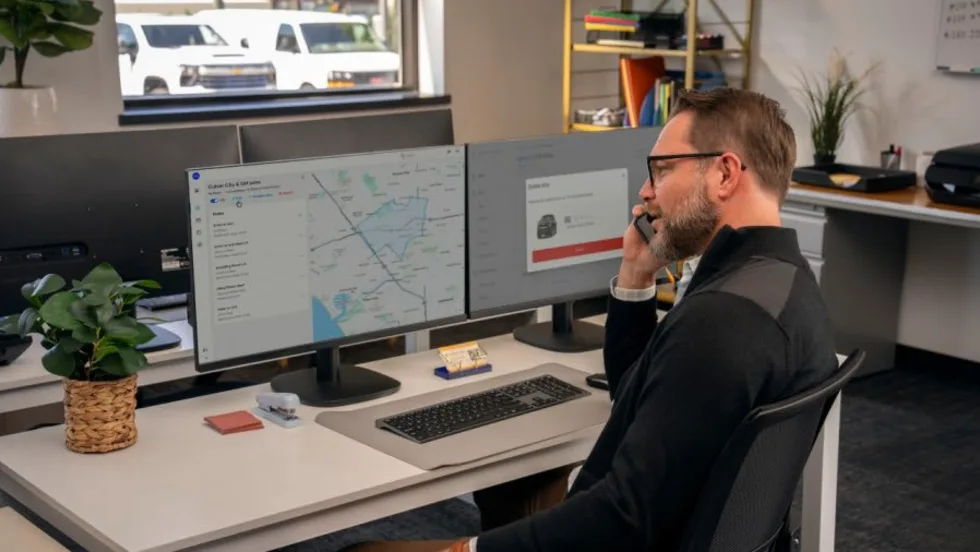
GM Launches OnStar Fleet Intelligence Platform With AI Assistant
The new platform brings vehicle data, order tracking, connected services and fleet analytics into one system, with an AI assistant that can answer fleet questions using natural-language prompts.
Read More →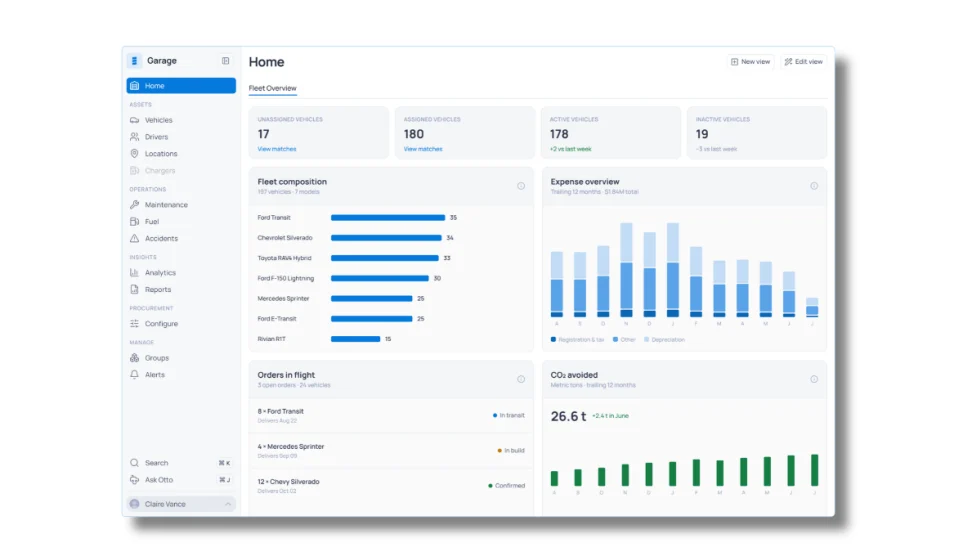
Inspiration Fleet Introduces Garage 2.0 Fleet Intelligence Platform
Fleet managers increasingly have access to data from vehicles, telematics, fuel, charging, and other systems, but those sources don't always communicate with one another. Inspiration Fleet's Garage 2.0 platform brings that information together while letting fleets keep working with different technology and service providers.
Read More →
Inside Inspiration Fleet’s New Platform for Connecting Fleet Data
Inspiration Fleet CTO Chris Getner explains how the new Garage 2.0 platform is designed to connect disparate fleet data and what that could mean for fleet managers in practice.
Read More →
Fleet Manager’s Ultimate Playbook: Navigating the New Standard in OEM Connectivity
Rising operating costs, driver safety concerns, and unplanned downtime are putting unprecedented pressure on modern fleets. Discover how fleet managers use embedded OEM connectivity and real-time vehicle data to cut TCO, prevent downtime, and protect drivers without aftermarket telematics hardware.
Read More →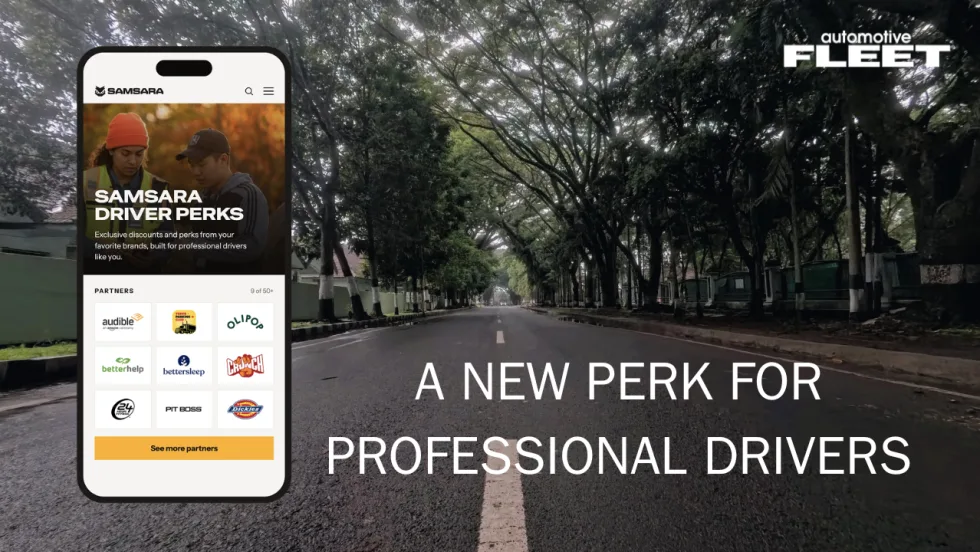
Samsara Driver Perks Adds New Benefit for Corporate Fleet Drivers
The rewards program gives eligible professional drivers access to discounts from more than 50 brands while giving fleets another way to support recruitment, retention, and the driver experience.
Read More →
Inside the Church of Jesus Christ of Latter-day Saints’ Two-Track Telematics Strategy
With 20,000 vehicles and two fundamentally different driver populations, the Church faced a fleet management problem that a single telematics program couldn't solve. How it responded offers a replicable framework for any fleet where one size doesn't fit every driver.
Read More →
How Conversational AI Can Make Fleet Tasks Easier for Drivers
While most generative AI tools help fleet managers interpret data at their desks, Connex2X is applying voice interaction to tasks behind the wheel.
Read More →
Why Fleets Are Creating Dedicated Fleet Analyst Positions
Are fleet analyst positions the new norm? Listen here to find out.
Read More →
Teletrac Navman Begins Next Chapter as Standalone Private Company
What's new with Teletrac Navman and its new owner?
Read More →
Why Fleets Are Creating Dedicated Fleet Analyst Positions
Telematics, AI, EVs, and connected technologies are generating more fleet data than traditional teams can effectively manage. Reed Jackson explains why dedicated fleet analytics roles are emerging to turn that information into better operational decisions.
Read More →