




Carrier Corp. Cuts Down on Fleet Emissions
Right-sizing vehicles and using GPS has helped Carrier’s fleet reduce emissions by more than 30 percent since 2006.
Carrier Corp., a Farmington, Conn.-based company providing high technology heating, air-conditioning, and refrigeration, is reducing fuel and global greenhouse gas (GHG) emissions through alterations and upgrades to its current fleet of 3,000 vehicles. Since 2006, Carrier has reduced emissions by more than 30 percent through a variety of techniques, such as right-sizing vehicles and using GPS data to eliminate unnecessary weight during transport.
"Greening our fleet is one way Carrier has reduced its GHG footprint by 33 percent since 2006. We've been greening our company for two decades. That's sustainability inside and out," stated John Mandyck, vice president of Carrier Sustainability & Environmental Strategies.

Revamping Efforts
Prior to this greening effort, Carrier Corp. was committed to a one-size-fits-all policy that did not take into account the amount of equipment placed in a vehicle or the size of the vehicle used for delivery. The company worked with its fleet management partner, PHH Arval, to deploy GHG reduction strategies.
Now the company is making an effort to remove trucks from its fleet and save money and the environment through use of hybrids and smaller-displacement engine vehicles.
Using GPS technology in its service fleet, the company can now record data for fuel economy performance across the country. This led to a 7-percent increase in average miles per gallon, and the system also helps improve customer service by providing service technicians a better way to locate distressed vehicles during emergencies, according to the company.
"Greening our fleet is another example of Carrier's environmentally sound business practices," said Erv Lauterbach, president of Carrier Building Systems and Services. "We have generated more than $1 million in fuel savings since 2008, and our reduction in GHG emissions since 2006 is equivalent to removing more than 3,000 cars from the road. We are committed to sustainability across our products, services, and operations."
In 2009, Carrier's fleet manager, Denise Cross, was recognized by Automotive Fleet as an Environmental Leadership Award recipient for taking charge and leading the fleet team's greening efforts.
More Green Fleet
EV Charging Use Is Outpacing Infrastructure Growth
ChargePoint’s 2026 Charging Forward Report points to rising charger use, higher-powered charging, commercial vehicle electrification, and energy-management technology. Here’s what fleets should know.
Read More →
Merchants Fleet Reports 290M EV Miles as Fleets Navigate Changing Electrification Market
From millions in operating savings to hundreds of millions of EV miles, Merchants Fleet’s latest report reveals what’s working and what’s changing in fleet electrification.
Read More →
The EV Breakdown Nobody's Talking About: Why Most Electric Vehicle Roadside Calls Aren't Mechanical Failures
Here's why EV breakdowns are widely misunderstood.
Read More →
ChargePoint Now Available in Energy Pass
ChargePoint and additional planned charging network integrations were added to GM's Energy Pass.
Read More →

First Look: Slate Auto's Electric Fleet Pickup
Could an affordable, modular EV pickup make electrification more practical for fleets?
Read More →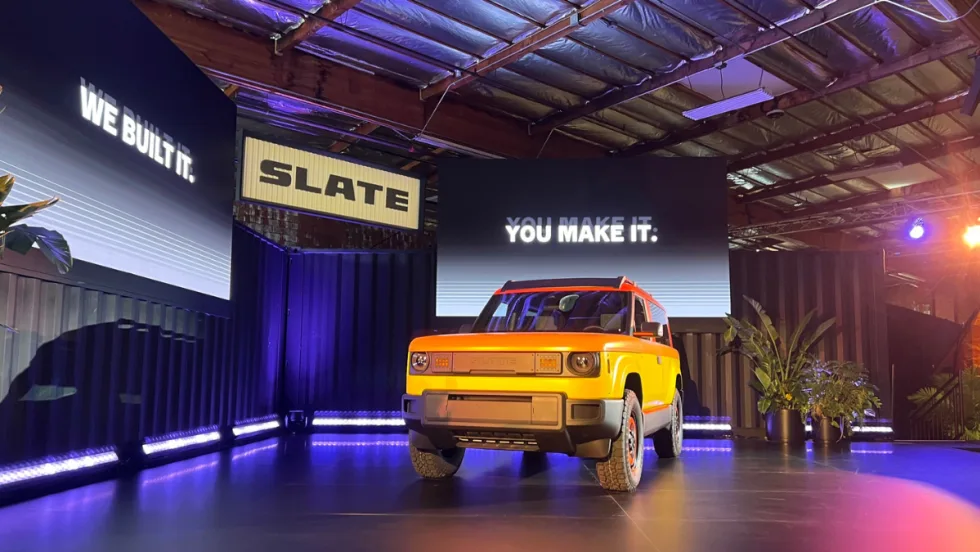
Slate Debuts Colorful, Unique EV Models
A recent media and client event, studded with electric vehicles dressed up on platforms, planted a new position for the manufacturer in the wider EV market. Fleets will find cost-saving advantages.
Read More →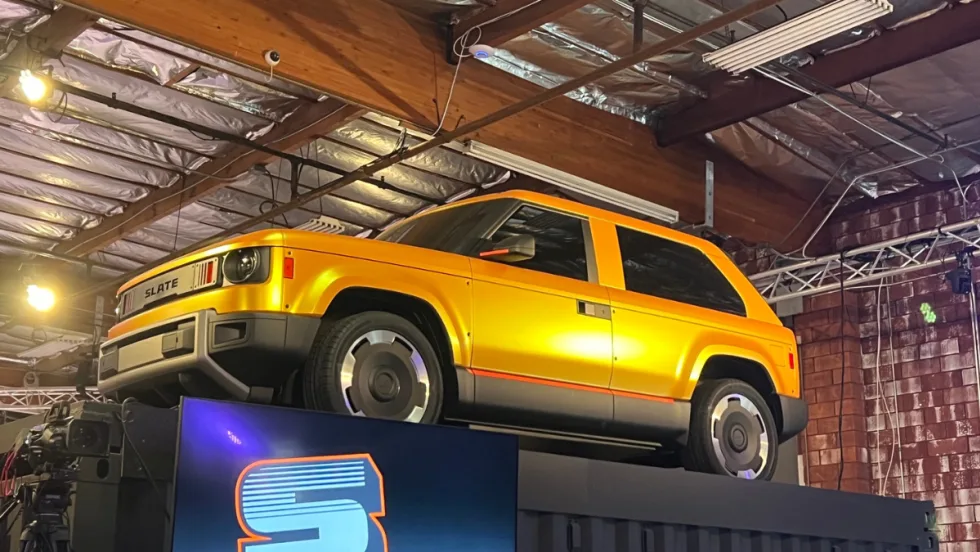
Slate Electric SUV, Pickup Switchable Model Aims For Light-Duty Fleets
Everything about this EV is counterintuitive and understated, making it stand out from the crowd.
Read More →
Inspiration Mobility Acquires Key Electrada Assets
Inspiration Mobility Group has acquired select assets of Electrada, adding the fleet electrification provider's team, technology, and charging infrastructure development capabilities to its energy management business.
Read More →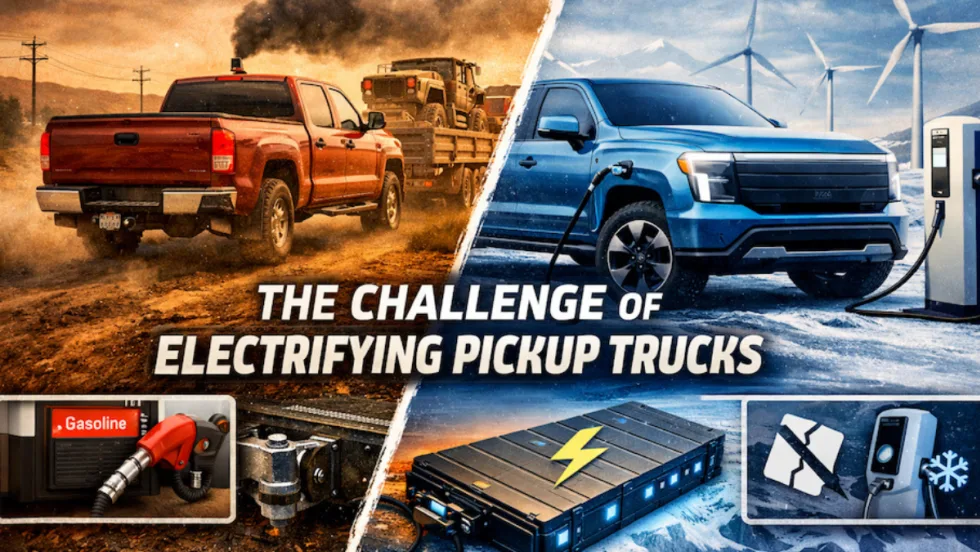
Why America’s Most Popular Vehicle is So Hard to Electrify
Turning America’s favorite workhorse electric means balancing range, payload, charging infrastructure, and price, an equation automakers are still trying to solve.
Read More →