




Breathe Free and Drive
Granite State Clean Cities Coalition is deploying natural gas vehicles and biodiesel in New Hampshire.
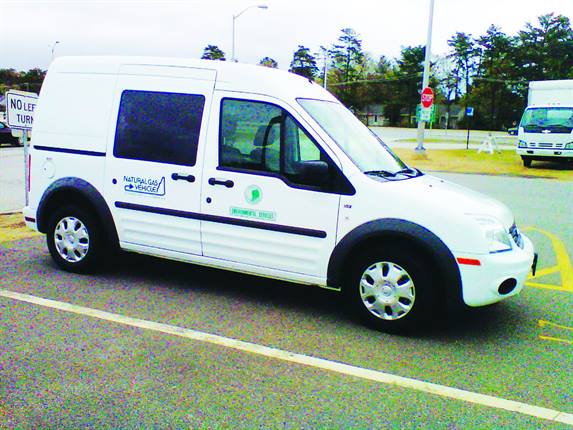
The New Hampshire Department of Environmental Services uses a CNG Ford Transit Connect for air quality monitoring.
Freedom isn’t taken lightly in New Hampshire, a state where nearly every license plate enjoins residents to “Live Free or Die.” Granite State Clean Cities Coalition (GSCCC) is harnessing that fiercely independent spirit in the transportation arena, steering fleets toward reliable, cleaner, domestic sources of energy such as biodiesel and natural gas.
The coalition, administered by the New Hampshire Department of Environmental Services under the direction of Coordinator Dolores Rebolledo, saved more than 1.3 million gallons of petroleum fuels in 2010 through the work of about 100 stakeholders throughout the state.
Among the stakeholders are municipalities and state agencies that are rightsizing fleets, reducing vehicle miles traveled, and switching from gasoline and diesel to compressed natural gas (CNG). With help from American Recovery and Reinvestment Act (ARRA) funds through the State Energy Program, the New Hampshire state government recently upgraded its CNG fueling station, and several agencies and the City of Concord added 10 light-duty CNG vehicles to their fleets.
“The City of Concord is absolutely thrilled that it’s contributing to air quality and reducing fuel costs,” Rebolledo said.
The City of Nashua, N.H., a GSCCC stakeholder, is unrelentingly devoted to CNG, according to Rebolledo. With the help of funding from the Diesel Emissions Reduction Act (DERA) and Congestion Mitigation and Air Quality (CMAQ) programs, Nashua boasts 27 natural gas vehicles, including refuse and transit vehicles, and now provides publicly accessible CNG fueling at its Route 3 station — a first for the Granite State. The public station extends an existing CNG corridor along Interstate 93 from Massachusetts into New Hampshire.
The popularity of biodiesel in the state is also widespread, with Cranmore Mountain Ski Resort and the City of Keene, N.H., paving the way for fleet managers nationwide to use biodiesel in colder climates.
GSCCC helps deploy other alternative fuels and vehicle technologies as well, showcasing them at its “Green Your Fleet!” event. More than 100 public- and private-sector fleet managers attend the event, which covers topics such as electric vehicles, biodiesel, idle reduction, and fleet-management software.
“I love spreading the word about the coalition, and this event is always a whopping success,” Rebolledo said.
Get Involved With Clean Cities
Through the work of nearly 100 local coalitions, Clean Cities advances the nation’s economic, environmental and energy security by reducing petroleum use in transportation. Clean Cities is an initiative of the U.S. Department of Energy. Find out more at www.cleancities.energy.gov.
For more information about GSCCC, visit www.granitestatecleancities.nh.gov
More Green Fleet
EV Charging Use Is Outpacing Infrastructure Growth
ChargePoint’s 2026 Charging Forward Report points to rising charger use, higher-powered charging, commercial vehicle electrification, and energy-management technology. Here’s what fleets should know.
Read More →
Merchants Fleet Reports 290M EV Miles as Fleets Navigate Changing Electrification Market
From millions in operating savings to hundreds of millions of EV miles, Merchants Fleet’s latest report reveals what’s working and what’s changing in fleet electrification.
Read More →
The EV Breakdown Nobody's Talking About: Why Most Electric Vehicle Roadside Calls Aren't Mechanical Failures
Here's why EV breakdowns are widely misunderstood.
Read More →
ChargePoint Now Available in Energy Pass
ChargePoint and additional planned charging network integrations were added to GM's Energy Pass.
Read More →

First Look: Slate Auto's Electric Fleet Pickup
Could an affordable, modular EV pickup make electrification more practical for fleets?
Read More →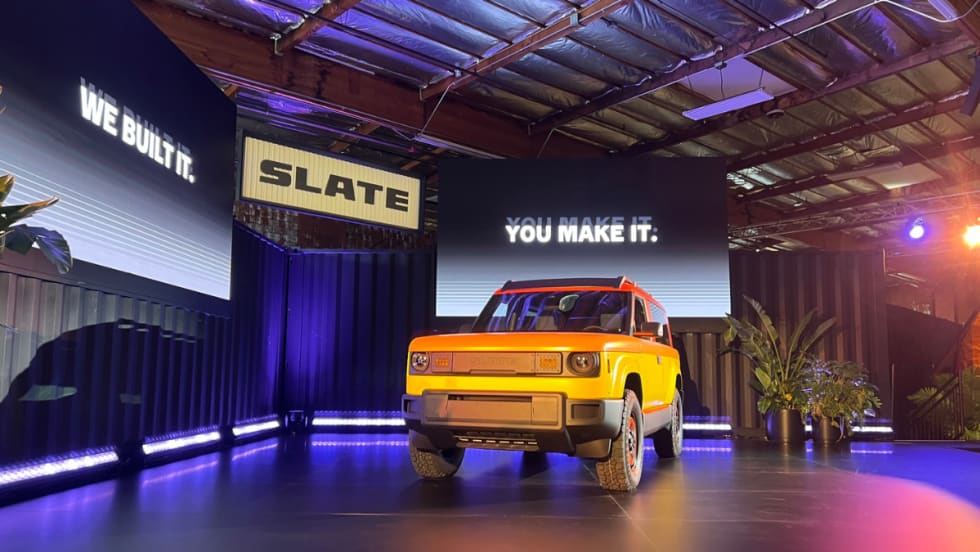
Slate Debuts Colorful, Unique EV Models
A recent media and client event, studded with electric vehicles dressed up on platforms, planted a new position for the manufacturer in the wider EV market. Fleets will find cost-saving advantages.
Read More →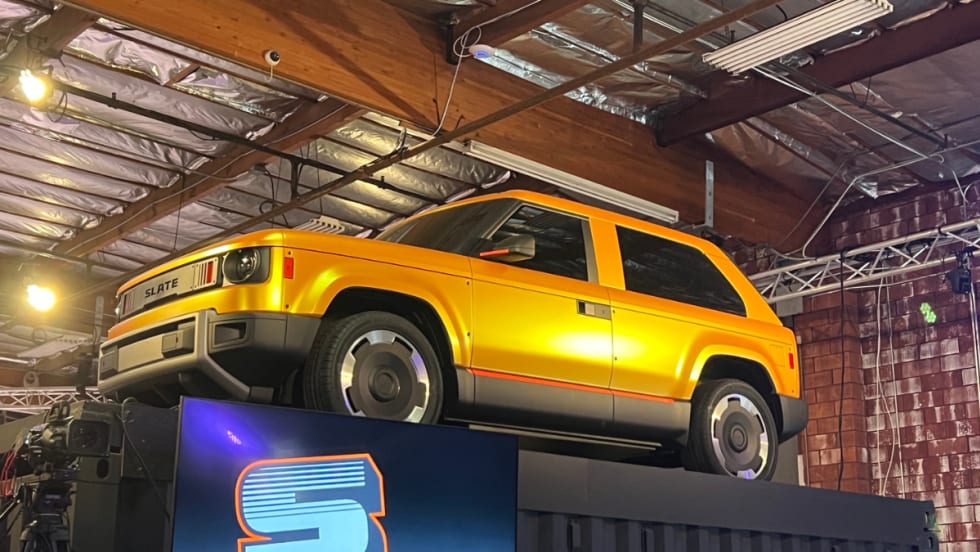
Slate Electric SUV, Pickup Switchable Model Aims For Light-Duty Fleets
Everything about this EV is counterintuitive and understated, making it stand out from the crowd.
Read More →
Inspiration Mobility Acquires Key Electrada Assets
Inspiration Mobility Group has acquired select assets of Electrada, adding the fleet electrification provider's team, technology, and charging infrastructure development capabilities to its energy management business.
Read More →
Turning Connected Vehicle Data Into Decisions That Matter
Fleet leaders have more data than ever, but turning that data into clear, actionable decisions remains a challenge. This white paper shows how leading organizations are using connected vehicle data to improve safety, reduce costs, and optimize fleet performance. Learn how to turn insight into action across your fleet.
Read More →