




An Affordable Way to Comply with Diesel Emissions Standards
New diesel emissions control systems significantly reduce four main emissions at a lower cost. The technologies have the additional advantage of improving vehicle performance.

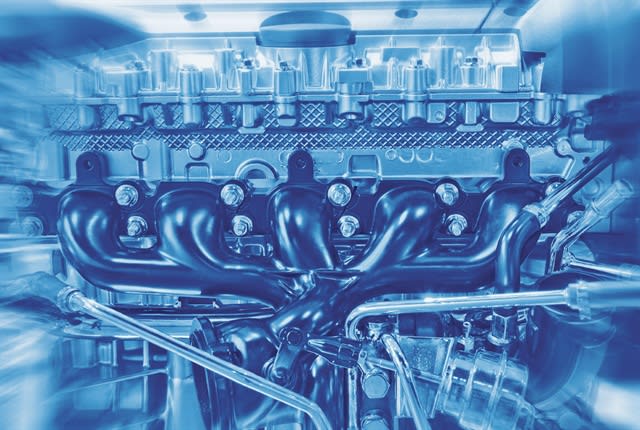
While diesel engines offer fleets a number of advantages, including better fuel economy, their big drawback are the emissions they release. Filters can help alleviate this. Photo via istock.com
As diesel emissions control regulations grow more stringent, fleets are continually looking for ways to remain compliant. One way is through the adoption of technology that is both effective and affordable.
Clean Diesel Technologies Inc. (CDTi), a global company that develops emissions control systems for heavy-duty diesel and light-duty vehicles, has developed technology to do just that — effectively remove harmful emissions, at an affordable cost.
Reducing the Four Main Types of Emissions
CDTi’s latest technology offers emissions-reduction systems that significantly reduce four main types of emissions:
Particulate matter (PM), or “soot,” which contains more than 40 known cancer-causing compounds, according to the California Air Resources Board (CARB).
Oxides of nitrogen (NOx), which produces smog.
Hydrocarbons (HC), a precursor to ground-level ozone, a serious air pollutant known to cause adverse health effects, according to the U.S. Environmental Protection Agency (EPA).
Carbon monoxide (CO), which reduces oxygen delivery within the body.
“These pollutants contain carcinogenic compounds or contribute to the formation of smog and ground-level ozone. They pose a risk to human health in terms of cancer, a variety of respiratory illnesses, and neurological damage,” said Chris Harris, president and chief executive officer of CDTi. “Studies have documented that excessive pollution increases health care costs and causes thousands of premature deaths around the world.”
While it’s difficult to assess the total amount of emissions reduced due to this technology because of the large variety of gasoline, diesel, and natural-gas powered vehicles spanning light- and heavy-duty applications, Harris offered an example of the impact the technology can have:
“Let’s say an older urban bus that does not employ PM (soot) reduction technology emits about 50 pounds of fine particle soot into the city air each year. When fitted with a high-performance diesel particulate filter (DPF), such as CDTi’s Purifilter and DuraFit products, that same bus will emit less than one pound of soot per year,” he explained.
Improving Performance & Affordability
While CDTi’s focus is on converting harmful engine exhaust to benign tailpipe emissions, the company also seeks to make the technology more accessible — and more affordable — for fleets. Its platform technologies allow it to develop lower-cost, higher-performance emissions reduction systems. Its innovations reduce the usage of expensive platinum group metals (PGMs) — platinum, palladium, and rhodium — that often make emissions reduction systems a major cost contributor to the overall vehicle cost.
“Fleets powered by gasoline, natural gas, and diesel, as well as hybrid vehicles utilizing these fuels, all require increasingly high-performance emissions control and reduction systems. So, CDTi’s cost-saving technology has a play across all types of internal combustion engines,” Harris said. “CDTi’s technology delivers high-performance and cost-effectiveness in terms of emissions reduction because the technology is intrinsically highly durable in the face of a vehicle’s harsh driving cycles and high-temperature exhausts.”
CDTi’s Heavy Duty Diesel Systems Division specializes in the manufacture of exhaust emissions control solutions for the retrofit and OEM markets. The company’s Catalyst Division produces catalyst formulations for gasoline, diesel, and natural-gas-induced emissions. This division has supplied over 11 million catalyst parts to light-duty vehicle customers since 1996.
CDTI’s equipment and retrofit applications offer emissions control for a wide variety of equipment:
On-road vehicles
Construction equipment
Mining equipment
Material handling equipment
Ports and marine equipment
Stationary power equipment
For fleets seeking better emissions control technology for compliance reasons, Harris offered some parting advice: “Where the fleet manager has choices, the manager needs to look toward technologies and technology providers with a proven track history in the field. Total cost of ownership must be demonstrated and validated in the field on real vehicles across real driving cycles.”
Editor's note: Shelley Mika is a frequent freelance contributor to Automotive Fleet and Green Fleet.
More Green Fleet
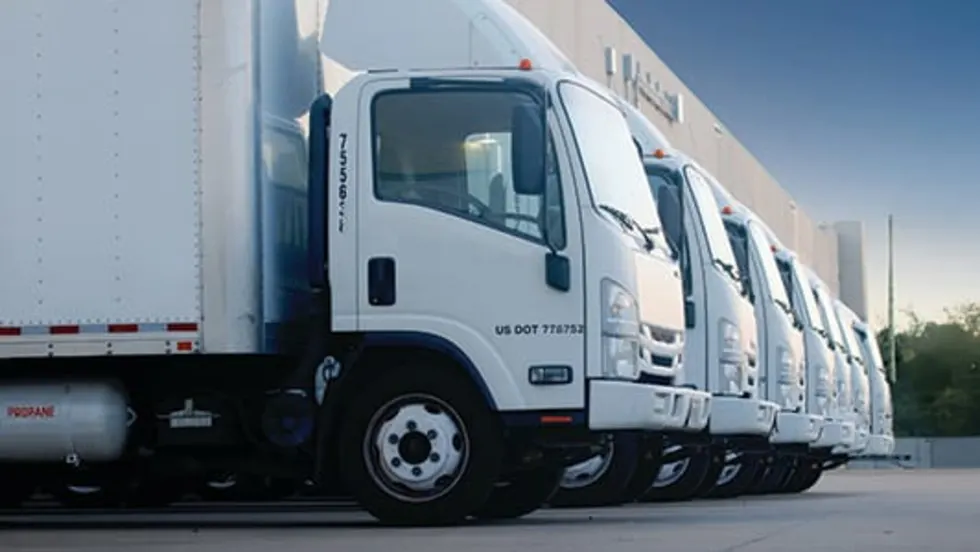
New Propane Autogas Program Offers Fleet Compensation
Qualified commercial fleets can receive $7,500 per eligible propane autogas vehicle and up to $10,000 for new refueling site prep. Learn how the program works and see whether your fleet qualifies.
Read More →
EV Charging Use Is Outpacing Infrastructure Growth
ChargePoint’s 2026 Charging Forward Report points to rising charger use, higher-powered charging, commercial vehicle electrification, and energy-management technology. Here’s what fleets should know.
Read More →
Merchants Fleet Reports 290M EV Miles as Fleets Navigate Changing Electrification Market
From millions in operating savings to hundreds of millions of EV miles, Merchants Fleet’s latest report reveals what’s working and what’s changing in fleet electrification.
Read More →

The EV Breakdown Nobody's Talking About: Why Most Electric Vehicle Roadside Calls Aren't Mechanical Failures
Here's why EV breakdowns are widely misunderstood.
Read More →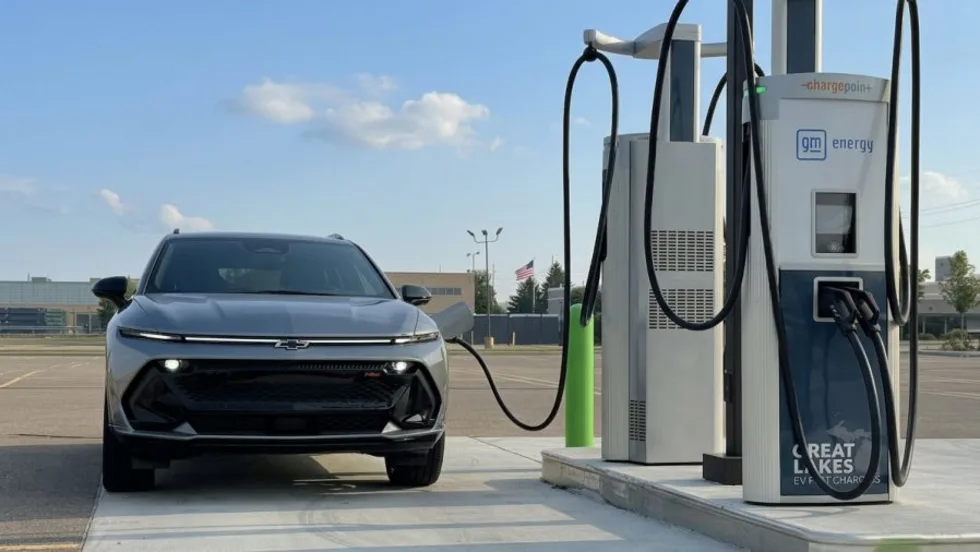
ChargePoint Now Available in Energy Pass
ChargePoint and additional planned charging network integrations were added to GM's Energy Pass.
Read More →

First Look: Slate Auto's Electric Fleet Pickup
Could an affordable, modular EV pickup make electrification more practical for fleets?
Read More →
Slate Debuts Colorful, Unique EV Models
A recent media and client event, studded with electric vehicles dressed up on platforms, planted a new position for the manufacturer in the wider EV market. Fleets will find cost-saving advantages.
Read More →
Slate Electric SUV, Pickup Switchable Model Aims For Light-Duty Fleets
Everything about this EV is counterintuitive and understated, making it stand out from the crowd.
Read More →
Inspiration Mobility Acquires Key Electrada Assets
Inspiration Mobility Group has acquired select assets of Electrada, adding the fleet electrification provider's team, technology, and charging infrastructure development capabilities to its energy management business.
Read More →