




Alliant Switches Fleet Vehicles to Biofuels
Fleet operations at Madison, Wis.-based Alliant Energy Corp. uses biofuels to contribute to the company’s larger overall goal of using renewable energy sources as much as possible.
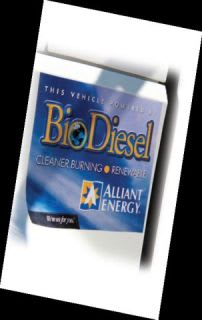
With a fleet of approximately 800 vehicles, utility company Alliant Energy Corp. headquartered in Madison, Wis., is using renewable fuel to serve its approximately 1 million electric and 400,000 natural gas customers in the Midwest.
Biodiesel Use Benefits Alliance
Some of the fleet’s larger service trucks have been using biodiesel. The company launched an alternative fuel pilot in late 2006. Since then, Alliant has expanded its use of biodiesel.
Last September, the company began using a 10,000-gallon tank at its site in Cedar Rapids, Iowa, to fuel approxi-mately 80 utility trucks with biodiesel, and another 10,000-gallon tank at a facility in Ames, Iowa, to fuel another 46 utility trucks with the biodiesel, said Frank Galle, Alliant’s senior manager, customer service. The fuel is B-5, a blend of 5-percent biodiesel — in this case soybean-based — and 95-percent conventional diesel.
The vehicles using the blended fuel are International straight trucks, includ-ing trenchers, digger derricks, tractors, and bucket trucks. Though they are routinely fueled with B-5, there are exceptions when conditions do not permit the vehicles to return to their base and they are refueled elsewhere with conventional diesel. When field crews repair damage caused by storms, for example, "They’re not going to drive back in to fuel up," Galle said, since the work they’re typically doing — restoring power to commercial and residential customers — is urgent.
Alliant’s fleet maintenance department weathered its first winter using biodiesel on a larger scale. Other than a slight incident of fuel gelling, Galle said biodiesel use had no repercussions on operations or vehicle maintenance. The gelling was addressed by applying anti-gelling additives to the fuel, he added.
Alternative Fuels Clean and Green
Alliant alternative-fuel initiatives also extend to smaller, gasoline-powered fleet vehicles, such as those used for meter reading. For example, the company said four new flex-fuel vehicles are used in Cedar Rapids, Albert Lea, Minn., and Beloit and Ripon, Wis. They are fueled with E-85, a blend of 85-percent ethanol and 15-percent gasoline, which burns cleaner than gasoline and is renewable and environmentally friendly, Alliant said.
Of the use of E-85 and biodiesel, Alliant’s vice president of energy delivery customer service, Barbara Siehr, said, "We do all we can to have a cleaner environment while supporting agriculture and industries that are fueling the growth of renewable energy sources."
"Using these alternative-based fuels builds on our commitment of deploying new technologies," Siehr added.
The renewable-fuel initiatives are part of the company’s larger overall aim to use renewable energy where possible. For example, in 2001, Alliant introduced a program called "Second Nature," designed to purchase renewable energy from wind, solar, and landfill sources. The company said that more than 42 million kilowatt-hours of renewable energy were purchased in 2006 on behalf of customers participating in the program. WT
More Green Fleet
New Propane Autogas Program Offers Fleet Compensation
Qualified commercial fleets can receive $7,500 per eligible propane autogas vehicle and up to $10,000 for new refueling site prep. Learn how the program works and see whether your fleet qualifies.
Read More →
EV Charging Use Is Outpacing Infrastructure Growth
ChargePoint’s 2026 Charging Forward Report points to rising charger use, higher-powered charging, commercial vehicle electrification, and energy-management technology. Here’s what fleets should know.
Read More →
Merchants Fleet Reports 290M EV Miles as Fleets Navigate Changing Electrification Market
From millions in operating savings to hundreds of millions of EV miles, Merchants Fleet’s latest report reveals what’s working and what’s changing in fleet electrification.
Read More →
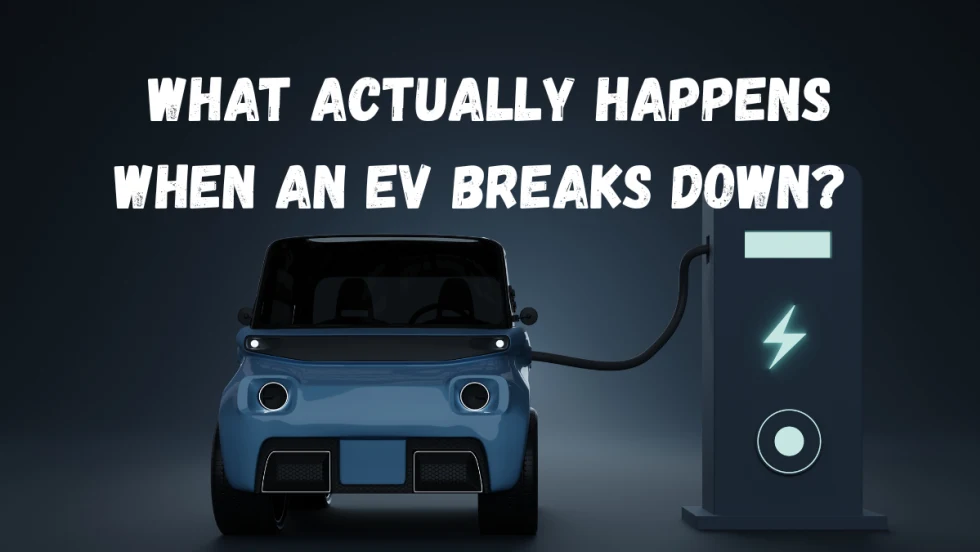
The EV Breakdown Nobody's Talking About: Why Most Electric Vehicle Roadside Calls Aren't Mechanical Failures
Here's why EV breakdowns are widely misunderstood.
Read More →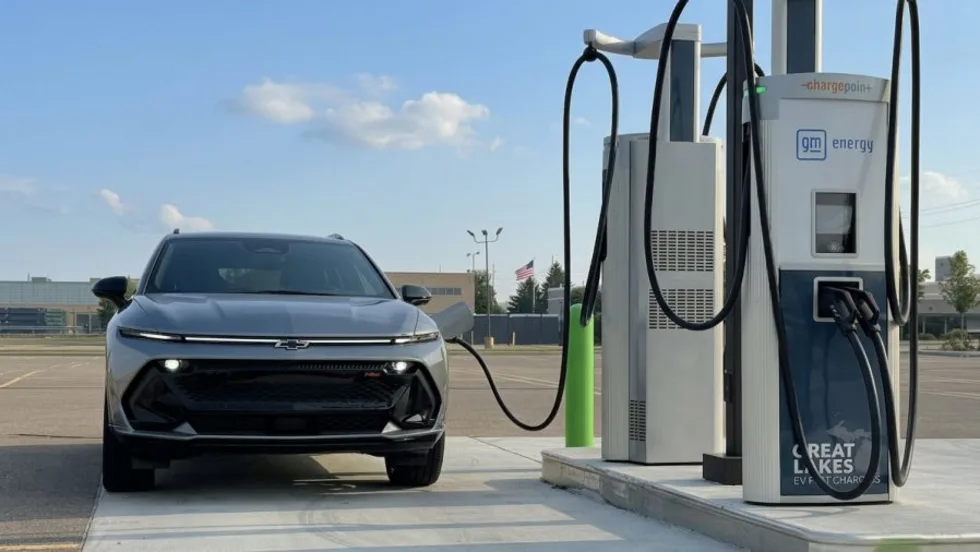
ChargePoint Now Available in Energy Pass
ChargePoint and additional planned charging network integrations were added to GM's Energy Pass.
Read More →

First Look: Slate Auto's Electric Fleet Pickup
Could an affordable, modular EV pickup make electrification more practical for fleets?
Read More →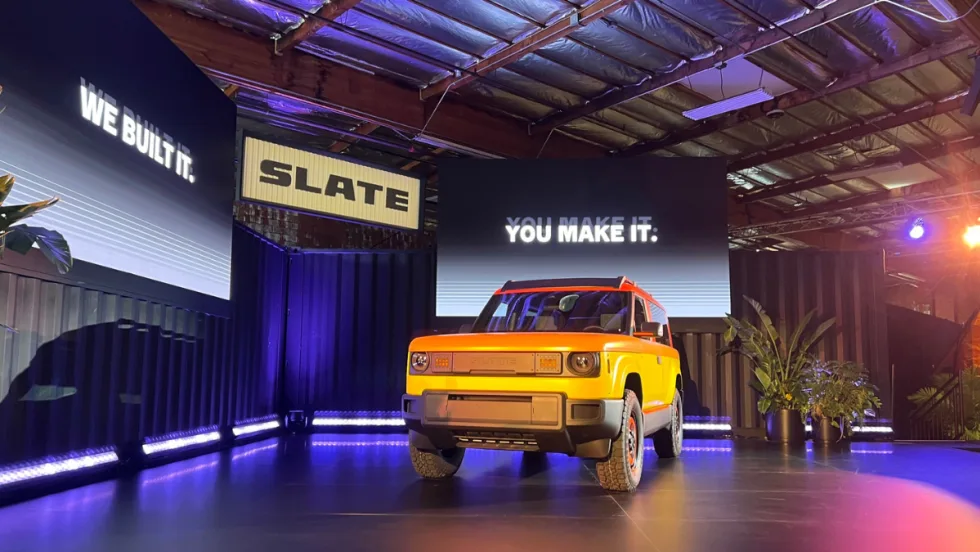
Slate Debuts Colorful, Unique EV Models
A recent media and client event, studded with electric vehicles dressed up on platforms, planted a new position for the manufacturer in the wider EV market. Fleets will find cost-saving advantages.
Read More →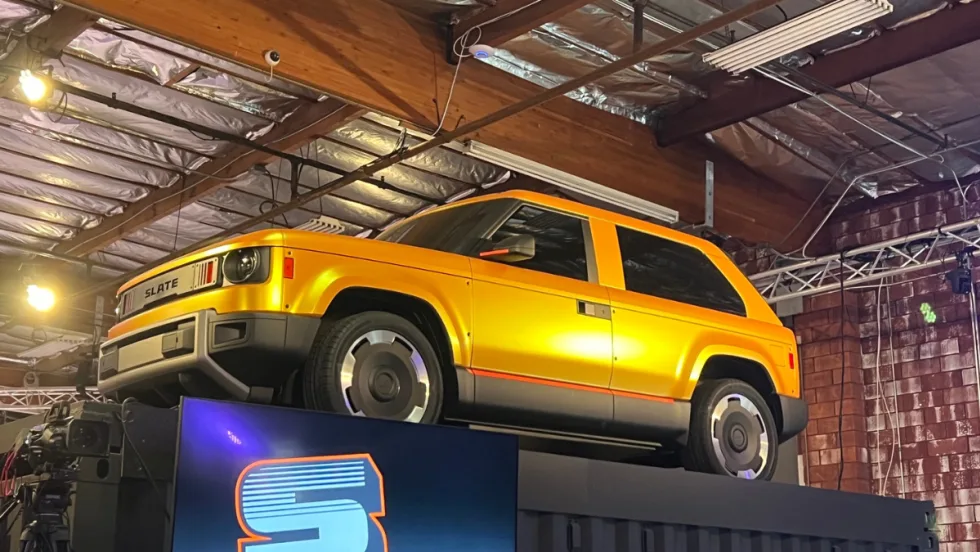
Slate Electric SUV, Pickup Switchable Model Aims For Light-Duty Fleets
Everything about this EV is counterintuitive and understated, making it stand out from the crowd.
Read More →
Inspiration Mobility Acquires Key Electrada Assets
Inspiration Mobility Group has acquired select assets of Electrada, adding the fleet electrification provider's team, technology, and charging infrastructure development capabilities to its energy management business.
Read More →