




About the Author: Ray brings over a decade of fleet management and consulting experience to Inspiration Mobility, where he helps organizations turn electrification goals into real-world results. At Inspiration, Ray leads customer engagements with a pragmatic, customer-first approach that ensures fleets meet sustainability targets while unlocking long-term savings. Before joining Inspiration, Ray served as Client Development Manager at Holman, where he advised some of North America’s largest fleets and built a reputation for simplifying complexity and driving impact.
Adapt or Idle: How Change Management Powers Fleet Electrification
The biggest barrier to EV adoption isn’t the vehicles, but preparing people, processes, and systems for change.
by Ray Miller
September 17, 2025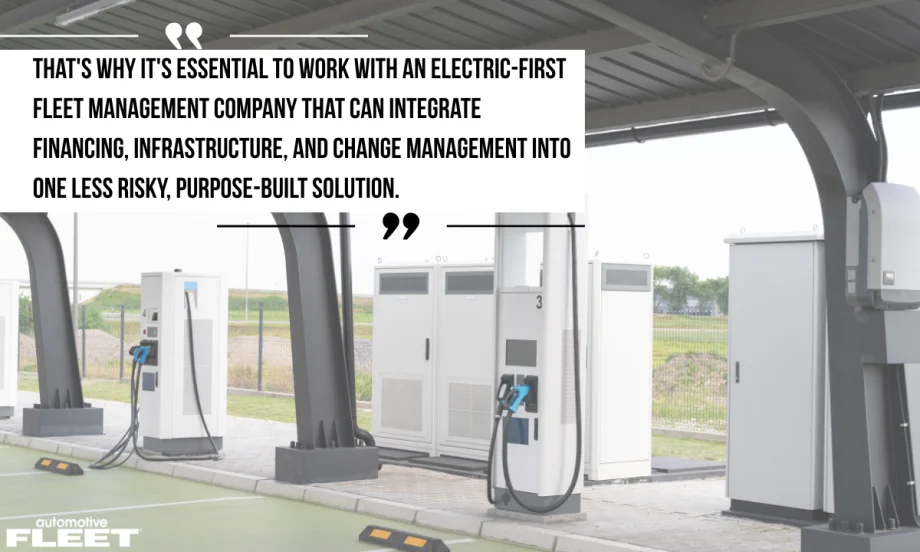
Electrification is inevitable, but success depends on more than vehicles. For fleet leaders, managing people, processes, and proof points through effective change management is the real key to turning disruption into momentum.
Image: Automotive Fleet
3 min to read
Electrification is inevitable. Every major fleet operator knows that EVs are no longer a question of "if," but rather a question of "when." Yet, after years in fleet advisory, I've learned this truth: the vehicles themselves aren't the most challenging part of electrification; the change to the EV is. For fleet managers and executives, the real challenge lies in adapting organizations to new costs, new workflows, and new expectations. Transitioning to EVs is as much about people, processes, and strategy as it is about hardware. Without effective change management, even the best-laid electrification plans can stall before they start.
Change management is about more than rolling out a new technology. It's about preparing your organization to adopt that technology smoothly and confidently. For fleets, this means aligning leadership, operations, drivers, and finance teams around a shared roadmap. Without it, fleets risk confusion, resistance, and disruption. Drivers may resist new charging routines. Finance teams may scrutinize total cost of ownership (TCO) assumptions. Executives may hesitate to scale without proof. Fleet managers already juggle procurement, compliance, cost control, and driver relations. Add EVs, and the list expands: charging infrastructure, route adjustments, downtime planning, and training. The risk of burnout is real.
The right change management strategy can relieve that burden by:
Building the business case around TCO and operational benefits.
Communicating across stakeholders, drivers, finance, and executives, so the story lands correctly with each group.
Providing role-specific training and resources to reduce resistance and give teams confidence.
Successful change management also addresses the nuts and bolts. Rolling out charging, managing downtime, and tracking new data streams can overwhelm even seasoned fleet teams. Alleviating pain points around things like building selectors that meet safety and budget goals, and driver expectations to ensure the boardroom and driver's goals are met. Here's where a management partner can make a difference: they bring playbooks and tools that help fleets anticipate challenges, avoid costly missteps, and set realistic expectations.
The best change management doesn't just reduce friction; it builds momentum. Early wins, whether that's lower fuel costs, smoother driver experience, or hitting sustainability targets, become stories that ripple across an organization. A comprehensive change management strategy can help fleets showcase those wins, creating internal champions who advocate for EVs. Those Commented [KH1]: Might want to flag about EVs: Adapt or Idle: Managing Fleet Change in the Shift to EVs Adapt or Idle: How Change Management Powers Fleet Electrification Adapt or Idle: What Fleet Leaders Must Do to Succeed with EVs champions become the bridge to scaling adoption, ensuring electrification grows in a way that enhances, rather than disrupts, operations.
Three Pillars of Change Management for EV Fleets
People – Engage drivers, leaders, and stakeholders with training and clear communication.
Processes – Embed new workflows for charging, maintenance, and data tracking.
Proof – Highlight early wins to build confidence and secure organizational buy-in.
With the right fleet management partner, fleets don't have to navigate this transformation alone. A comprehensive EV-integration strategy can turn disruption into opportunity, providing the tools, structure, and expertise that make EV adoption smoother, smarter, and more sustainable. Make no mistake, this is an organizational transformation:
Charging isn't just plugging in; it reshapes fueling, routing, and driver schedules.
Finance changes too, so timing matters because capturing today's incentives and structuring costs around EV lifecycles can significantly impact the business case.
People need support, and many fleets still carry scars from early EV pilots that failed without the right partner, leaving drivers and leaders skeptical.
And the urgency is real: customers are demanding cleaner fleets, and competitors are already scaling their EV pilots. Waiting means missing incentives, losing market advantage, and incurring higher costs down the road. That's why it's essential to work with an electric-first fleet management company that can integrate financing, infrastructure, and change management into one less risky, purpose-built solution. The road to electrification is clear. The question is: will your organization adapt or idle?
Subscribe to Our Newsletter
More Green Fleet
Sponsored•October 1, 2026
New Propane Autogas Program Offers Fleet Compensation
Qualified commercial fleets can receive $7,500 per eligible propane autogas vehicle and up to $10,000 for new refueling site prep. Learn how the program works and see whether your fleet qualifies.
Read More →
EV Charging Use Is Outpacing Infrastructure Growth
ChargePoint’s 2026 Charging Forward Report points to rising charger use, higher-powered charging, commercial vehicle electrification, and energy-management technology. Here’s what fleets should know.
Read More →
Merchants Fleet Reports 290M EV Miles as Fleets Navigate Changing Electrification Market
From millions in operating savings to hundreds of millions of EV miles, Merchants Fleet’s latest report reveals what’s working and what’s changing in fleet electrification.
Read More →
The EV Breakdown Nobody's Talking About: Why Most Electric Vehicle Roadside Calls Aren't Mechanical Failures
Here's why EV breakdowns are widely misunderstood.
Read More →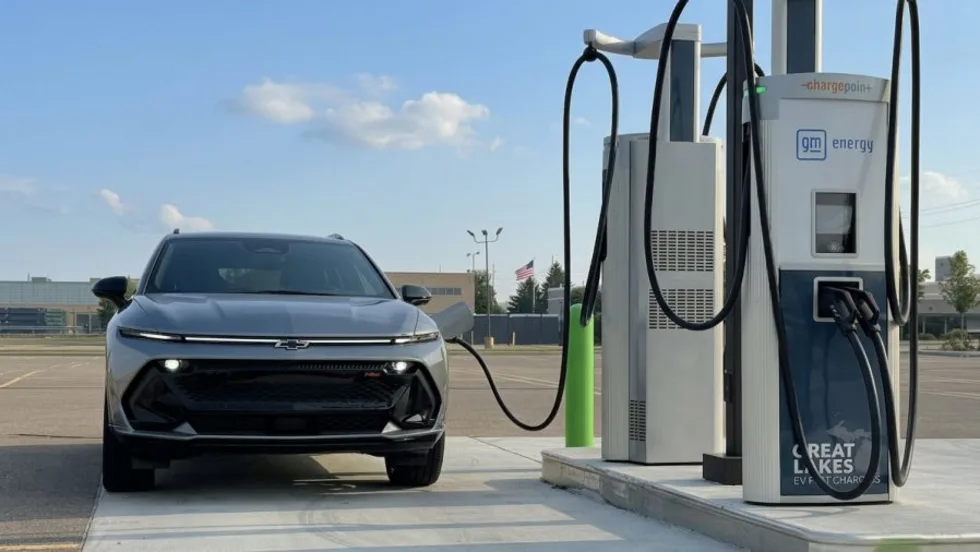
ChargePoint Now Available in Energy Pass
ChargePoint and additional planned charging network integrations were added to GM's Energy Pass.
Read More →

First Look: Slate Auto's Electric Fleet Pickup
Could an affordable, modular EV pickup make electrification more practical for fleets?
Read More →
Slate Debuts Colorful, Unique EV Models
A recent media and client event, studded with electric vehicles dressed up on platforms, planted a new position for the manufacturer in the wider EV market. Fleets will find cost-saving advantages.
Read More →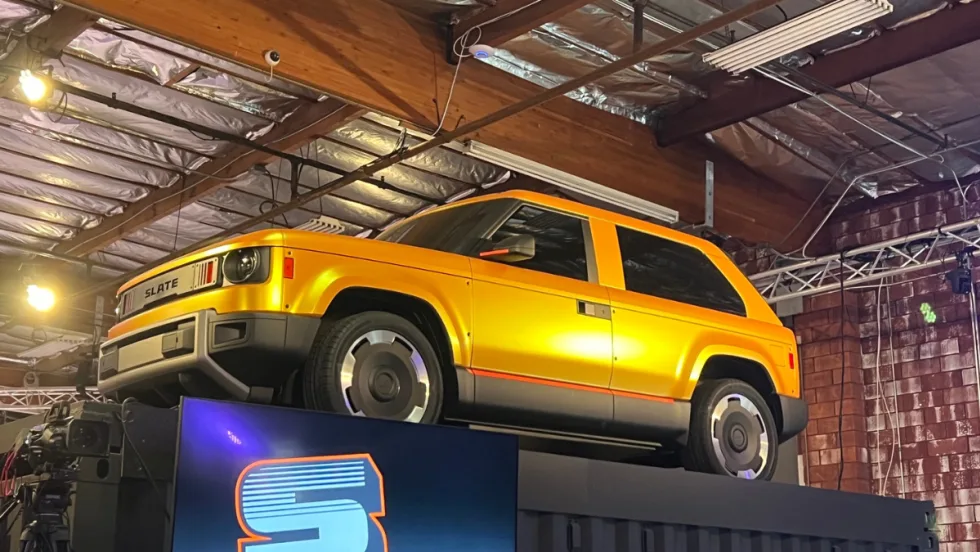
Slate Electric SUV, Pickup Switchable Model Aims For Light-Duty Fleets
Everything about this EV is counterintuitive and understated, making it stand out from the crowd.
Read More →
Inspiration Mobility Acquires Key Electrada Assets
Inspiration Mobility Group has acquired select assets of Electrada, adding the fleet electrification provider's team, technology, and charging infrastructure development capabilities to its energy management business.
Read More →