




A current progress report . . .
The new model car year begins as one with high optimism for continued strength in the fleet and leasing business. While it may be a match for 1965 in terms of volume for total registrations it would appear from our research that a large amount of cyclical sales are in the offing during the ‘66 model year.

The new model car year begins as one with high optimism for continued strength in the fleet and leasing business. While it may be a match for 1965 in terms of volume for total registrations it would appear from our research that a large amount of cyclical sales are in the offing during the ‘66 model year.
The already spectacular growth of new car registrations in fleet and leasing is still soaring, making the industry benchmark of 15% per year continued growth seem on the low side. During 1963 R. L. Polk counted some 516,000 new cars that were registered by fleets buying ten or more during the year. In 1964 this figure rose to 590,000; and while the largest fourth quarter in history is predicted for the next three months, there is little question that total year-end fleet sales will be well in excess of 600,000.
These figures have more of a direct meaning when you find that one out of every twelve new cars enters our market. Ours is a dynamic automotive market that offers your own marketing group a unique opportunity to influence the volume purchases in vehicles, parts, accessories, fuel and lube, shop equipment and management services.
By identifying this newly developed market and offering the means to reach every car fleet in the country buying or leasing ten or more new cars provides automotive marketers the access to 2,200,000 high mileage cars traveling at a rate of 28,400 miles each year ... or three times the national average. Our research shows that the average trade-in is 31.2 months. This time-mileage factor compounds the need for constant and professional maintenance for the valuable revenue earning drivers, regardless of the fleet. These are the reasons supporting the fact that 88 % of our fleets report operating a service facility.
The interest generated in this expanding market place has given us an enviable advertising growth record. After running 191 pages of paid advertising in our first full year (1962) we have increased to 278 pages in ‘63, 352 in ‘64 and current indications are that about 440 pages will be tallied in 1965. Among these satisfying statistics are some important factors. While replacement parts and accessories represent the largest segment of our advertising we continue to present more car and air conditioning ads than any other non-dealer publication; and more leasing advertising than any other publication.
The success that has been earned has supported our stepped-up investment in research, editorial coverage, merchandising and most importantly circulation. This planned direction benefits both reader and advertiser alike.
If you and your marketing people have not recently reviewed the total aspect of automotive media and the specific prominence of the car fleet market through AUTOMOTIVE FLEET, I would like to extend a personal invitation to do so. A proper evaluation and subsequent program can lend strong sales support in this vital car fleet and leasing marketplace.
More Operations
How to Manage Conflict for Your Fleet Operations
Conflict management is becoming a core leadership skill. Here are five strategies fleet leaders should know.
Read More →
Turning Connected Vehicle Data Into Decisions That Matter
Fleet leaders have more data than ever, but turning that data into clear, actionable decisions remains a challenge. This white paper shows how leading organizations are using connected vehicle data to improve safety, reduce costs, and optimize fleet performance. Learn how to turn insight into action across your fleet.
Read More →
Cameras, Safety and Insurance: From Reactive Claims to Real-time Prevention
Commercial auto remains one of the most challenging and costly lines of coverage for fleet operators and insurers alike. Learn more about how to effectively address these issues from Onur Aksan, Enterprise Business Development Executive, Geotab.
Read More →

Are You Tracking Your Fleet's True Total Cost of Ownership?
Bobit Business Media surveyed 190 fleet professionals and found that while most fleets are tracking costs, fragmented systems and data gaps are keeping true TCO visibility out of reach. With rising pressure to control spend in an increasingly volatile environment, the gap between what fleets think they know and what the data actually shows is wider than you might expect. See how your peers are managing costs today and where the industry still has room to improve.
Read More →
Turn Fleet Data Into Smarter Decisions
Fleet leaders have access to more operational data than ever, but disconnected systems and unclear metrics often slow decision-making instead of improving it. This whitepaper outlines five practical steps fleets can take to transform fragmented data into actionable insights that improve planning, safety, utilization, and long-term performance.
Read More →
Hybrids: Electrification Without the Challenges
For fleet managers, fuel is one of the biggest line items in the budget — and it's one hybrids can shrink without changing how your people work. Download the eBook to see the numbers, understand the technology, and get a step-by-step guide to making the switch.
Read More →
How NOV Uses Telematics to Improve Fleet Safety Across 160 Locations
James Victory of NOV discusses how the company manages fleet safety, maintenance, and telematics across more than 150 locations supporting oilfield operations throughout the U.S.
Read More →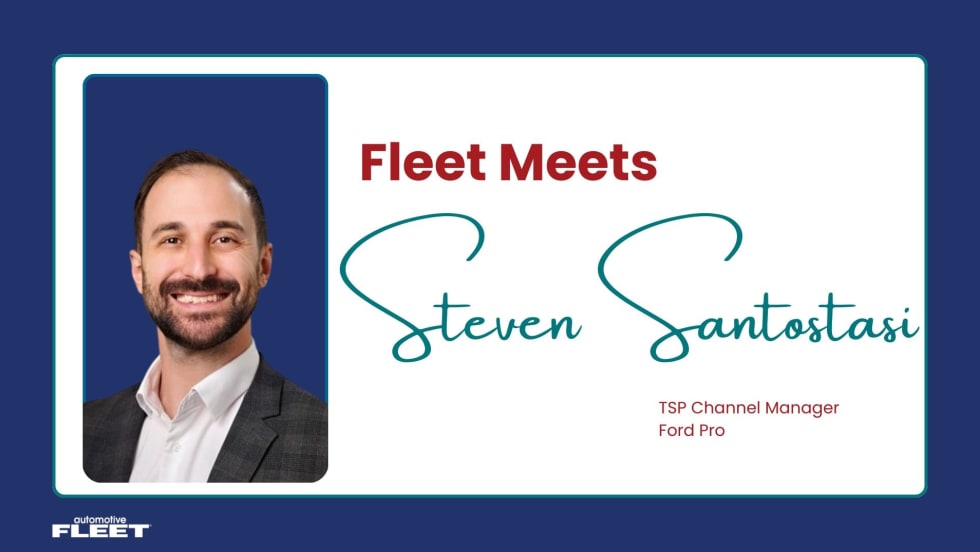
Fleet Meets: Steven Santostasi
This edition of the Fleet Meets series features Steven Santostasi, the current TSP channel manager for Ford Pro.
Read More →
Why Fleet Managers Are Replacing Departmental Vehicles with Shared Motor Pools
Departmentally assigned vehicles often create hidden costs through underutilization, poor visibility, and increased administrative burden. This white paper explores how shared motor pool strategies help fleets reduce costs, improve accountability, and optimize vehicle utilization.
Read More →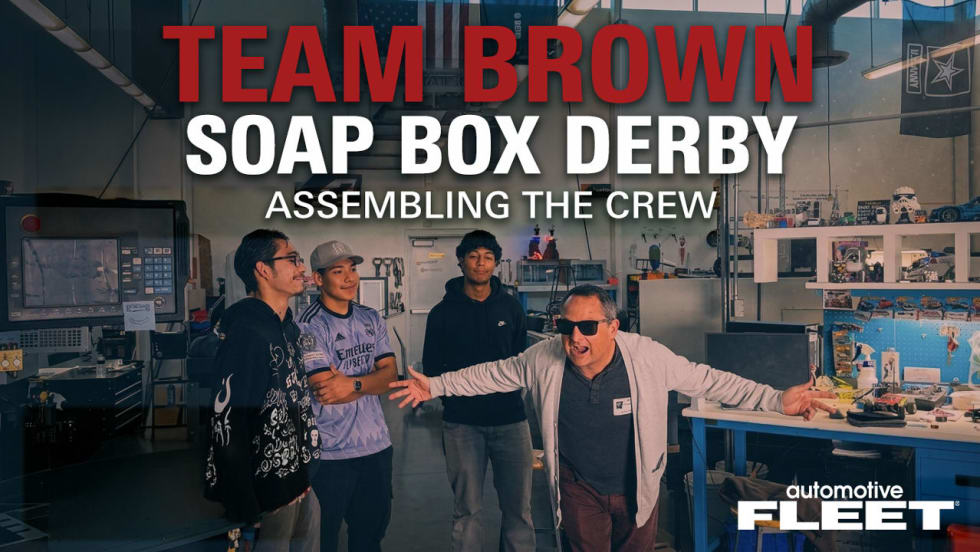
Soap Box Derby Challenge: Assembling the Crew
Meet Gabriel, Matthew, and Angel — the team helping bring this soap box derby build to life.
Read More →