




8 Tips for Winterizing a Vehicle
Statistics show that 17% of all vehicle collisions occur in winter, and over 70% of U.S. roads are in snowy regions.

Follow these eight steps to keep fleet vehicles in the road during the, at times, punishing weather in snowbelt states.
Screenshot via Stan Cravens/YouTube.
Winter can be brutal. Every year, approximately 76,000 people are injured in traffic accidents during snowfall. Moreover, some 800 Americans die in car crashes annually while driving in winter weather conditions, according to Carsurance.
Keeping your drivers safe on the roads throughout the winter begins now—by ensuring your fleet vehicles are properly winterized.
Statistics show that 17% of all vehicle collisions occur in winter, and over 70% of U.S. roads are in snowy regions. So take the right steps now to make sure your fleet vehicles are as safe as possible when the cold fronts and blizzards move in.
Experts recommend the following steps for winterizing vehicles:
Check the Battery
In cold weather, the battery operates at lower efficiency, making it harder for it to start up the engine. Make sure all the cables are tight so the battery is getting a good connection. If you have any doubt, see an expert and have the battery tested.
Top off Windshield Washer Fluid
Drivers need the best possible visibility when snow and ice begins to cover their windshield. Make sure your washer fluid is filled to capacity and consider using a fluid with de-icer capability.
Fill the Anti-Freeze
Every vehicle requires ample anti-freeze in the winter, so make sure the reservoir in your vehicles is filled to the brim. But be cautious—never take the cap off if it is hot or if you hear a hissing sound, as it could be dangerous. Rather, wait until the engine cools down before checking the anti-freeze reservoir.
Check Oil Level
As always, you want to ensure that your vehicle has the right amount of oil, but it’s especially important to do so in winter. If you choose to have a professional mechanic check your vehicle fluids, make sure to look for one that is ASE-certified.
Clean Headlight Covers
If a blizzard hits, the more visibility a driver has, the better. Check headlight covers to ensure they are not cloudy or foggy. Clean and clear them thoroughly so they are ready to light the way through rain, sleet or snow.
Three-Part Tire Check
Start by checking tread depth. This is especially important in winter because with shallow tread depth you won't get the proper traction needed to drive safely through snow and ice. Moreover, experts say that if your region gets at least three snowstorms during the winter it may be wise to invest in snow tires from mid-November to mid-April.
Next, check tire pressure. Every 10 degrees the temperature drops, the pressure will go down 1 pound per square inch. To know the accurate tire pressure your vehicle requires, review the owner’s manual.
Finally, make sure your spare tire is properly aired up in case of a breakdown in wintry conditions.
Maximize Wiper Blades
Torn or very worn down windshield wiper blades can pose a real hazard during sleet and snowstorms. Makes sure wiper blades are in stellar shape so they function as best as possible and enhance visibility in even the worst of winter weather.
Pack an Emergency Kit
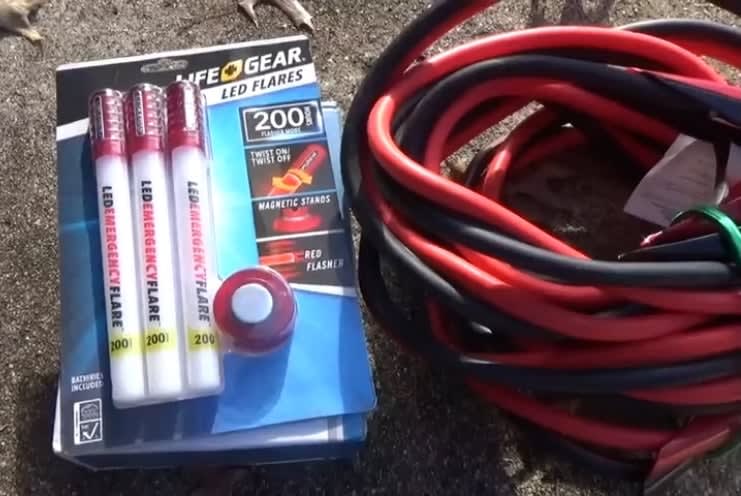
Even with the best planning, vehicles break down in harsh winter weather, so make sure you have an emergency kit on hand. It should include: Jumper cables, a small air compressor to air up tires, LED road flares and/or regular flares, a flash light, spare batteries, an ice scraper, a collapsible shovel, a lock de-icer, a cellphone charger, hand-warmers, a blanket, water, protein bars, and a first aid kit.
More Safety

Fleet Manager’s Ultimate Playbook: Navigating the New Standard in OEM Connectivity
Rising operating costs, driver safety concerns, and unplanned downtime are putting unprecedented pressure on modern fleets. Discover how fleet managers use embedded OEM connectivity and real-time vehicle data to cut TCO, prevent downtime, and protect drivers without aftermarket telematics hardware.
Read More →
From Driver Well-Being to EV Charging | AF News Recap
Mental health belongs in the fleet safety conversation. This week, we’re looking at five ways fleets can support employee well-being before a crisis, plus Holman’s expansion in Mexico, new one-day Fleet Forward passes, and why EV charging demand is outpacing infrastructure growth.
Read More →
Nexar-Nauto Merger Aims to Give Fleets Better Safety Intelligence Through Larger Driving Dataset
Stefan Heck tells Automotive Fleet that combining more than 10 billion miles of driving history with Nexar's AI models will give fleets deeper insights into driver risk and roadway conditions than either company could provide independently.
Read More →
Don't Wait for a Crisis: 5 Ways to Build Mental Health Into Your Fleet Safety Program
For Suicide Prevention Month, fleet and safety leaders have an opportunity to put mental health where it belongs: at the center of workplace safety.
Read More →
How Camera Data Can Strengthen a Fleet’s Insurance Renewal
Insights from a commercial insurance carrier and a broker show how fleets can turn video telematic data, driver coaching, and improved claims results into a stronger case at insurance renewal.
Read More →
The Safest Fleets Aren’t the Ones with the Most Technology
You’ve made the telematics investment. Here’s how to capture the other half of its value and build the safest fleet on the road.
Read More →
Hidden in Plain Sight: Fleet Compliance Risks
Fleet compliance isn't just about having policies — it's about consistently enforcing them. This practical guide reveals six hidden compliance risks common in public sector and shared fleet operations and outlines proven strategies to improve visibility, accountability, and audit readiness
Read More →
NETS Sets 2026 Fleet Safety Benchmark Conference for Indianapolis
The Sept. 15–17 program will feature fleet benchmarking data, case studies, emerging technologies, and implementation strategies while running alongside the NSC Safety Congress & Expo.
Read More →
Off-the-Job Crashes Account for 43% of Employers’ $61.7 Billion Crash Burden
NETS quantifies costs dispersed across fleet, risk, HR, and other departments while providing new per-crash benchmarks for employers.
Read More →
Ram Recalls More Than 1.27 Million 1500 Pickups for Seat Belt Anchor Issue
The recall affects certain 2019-2026 Ram 1500 pickups that may have improperly attached second-row seat belt buckle anchors.
Read More →