





Tips for Fleets: Where's My Truck Body?
6 Pros & Cons: Aluminum vs. FRP Van Bodies
Each material offers benefits and drawbacks. Aluminum may be less expensive, but fiberglass reinforced plywood (FRP) is sturdier. Evaluate your truck application to determine which factors matter most.
November 1, 2008
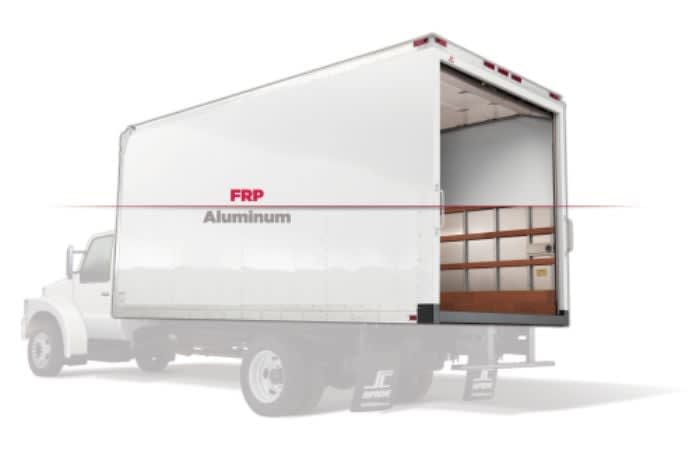
From appearance to space, there is a lot to consider beyond just the cost of the materials in your truck body.
Photo: Supreme Corp.
3 min to read
Which sidewall material is best for your van body trucks — aluminum or fiberglass reinforced plywood (FRP)? Work Truck connected with Supreme Corp. to get some more details.
First - what is FRP? A composite material made of a polymer matrix reinforced with fibers, FRP fibers are typically glass, carbon, aramid, or basalt.
Here are six points of comparison to help weigh the pros and cons between truck bodies:
1. Know the Initial Body Costs
The price difference ranges from $400-$1,200 or more depending on body size and manufacturer with the advantage going to aluminum. Additionally, aluminum is more economical for nonwhite exterior colors because aluminum sheets are available in a variety of standard pre-painted colors. FRP comes standard only in white, requiring extra cost for either a colored gel coat or paint to create color panels.
One trend to watch, however, is the rise in material costs.
"In recent years, the escalating cost of aluminum has significantly narrowed the gap in the cost of FRP versus aluminum bodies, resulting in FRP now being only a slight premium to aluminum," says Bob Besse, director of marketing and product planning for Supreme Corp., a nationwide manufacturer of aluminum and FRP van and cutaway bodies.
2. What are the Body Weight Differences?
Aluminum is approximately 8%-10% lighter than FRP. Take, for example, a base 14-foot van body (84 inches high; 96 inches wide) built by Supreme Corp. The aluminum body weighs 2,150 lbs., the FRP 2,328 lbs. In this case, the aluminum body offers just 200 lbs. less additional payload capacity than the FRP. Consult your body manufacturer for precise weight figures for the body size and options you’re considering.
3. How Will the Material Impact Vehicle Appearance?
The advantage to overall appearance goes to FRP, which offers a seamless, clean, bright and smooth surface for eye-catching graphics and lettering.
With aluminum, you must work around seams and rivets, which may diminish appearance.
4. What Body Type is More Durable?
"FRP is composed of four layers — a plywood core, woven fiberglass roving, white pigment resin, and gel coat — that are formed together under intense heat and pressure," Besse explains. "This makes FRP a sturdier and more durable wall construction than aluminum, holding up best against interior cargo and road damage, dings, dents, and scratches from low-hanging tree limbs."
The downside, however, is that a break in the integrity of the FRP coating can allow moisture to seep into the wood core, causing warping and further damage unless repaired quickly.
5. What are the Repairability Concerns with Each Body Type?
If the truck sustains significant sidewall damage to the cargo box in a crash, aluminum is usually less expensive to repair. Only the damaged sidewall panels and posts must be replaced. In the same situation with FRP, the entire sidewall is generally replaced.
For minor damage, such as dents, tears, and scratches, FRP is usually less expensive to repair than aluminum.
Aluminum requires replacing the sidewall panel, while damage can be patched and sealed directly with FRP.
6. Do Body Materials Impact Interior Space?
FRP offers approximately three inches greater interior space than a comparable aluminum body, which requires side posts and interior lining.
Another factor to consider is interior visibility.
"FRP provides a bright white interior in the van body, especially when coupled with a translucent roof," says Besse. "This makes working inside the van body much easier."
Originally posted on Work Truck Online
Subscribe to Our Newsletter
More Operations

Sponsored•October 14, 2026
A buyer's guide to fleet management software in 2027
Buying fleet management software in 2027 means looking beyond features and price. As fleet operations, technology and expectations evolve, this guide explores what today’s fleet professionals should consider when choosing a system that can deliver value now and adapt to what comes next.
Read More →
What Will Shape the Next Era of Fleet Management?
EVs, AI, and autonomous vehicles are reshaping fleet management. Discover what’s ahead—and how fleet leaders can prepare for the next era.
Read More →
How Fleets Can Recruit and Train Veterans for Technician Roles
Here's how the technician shortage has affected uptime for fleets, and what to do about it.
Read More →

Avis Budget Group Deploys Neology Toll Management Technology Across Major Brands
Neology’s neoFleet platform will manage toll transactions and toll-authority operations for vehicles across Avis, Budget, Payless, Budget Truck and Zipcar.
Read More →
Fleet Personal-Use Charges Edge Higher in 2026
Nearly eight in 10 surveyed fleets allow personal use of company vehicles, while just over half of respondents report charging employees for the privilege.
Read More →
The Future of Fleet + What’s Changing Right Now | AF News Recap
Could developments overseas offer a preview of what’s coming for U.S. fleets? This week, we’re looking at the future of AI, autonomy, and electrification, plus Ford Pro’s new certified pre-owned program, smarter vehicle offboarding, and a new way for fleets to manage toll expenses.
Read More →
How to Handle Vehicle Offboarding
What do fleet managers need to do when a driver leaves?
Read More →
Sponsored•October 1, 2026
Fleet Manager’s Ultimate Playbook: Navigating the New Standard in OEM Connectivity
Rising operating costs, driver safety concerns, and unplanned downtime are putting unprecedented pressure on modern fleets. Discover how fleet managers use embedded OEM connectivity and real-time vehicle data to cut TCO, prevent downtime, and protect drivers without aftermarket telematics hardware.
Read More →
U.S. Bank Adds Verra Mobility Toll Management to Voyager Fleet Platform
The integration allows U.S. Bank Voyager fleet customers to manage toll payments and violations alongside fuel, EV charging and maintenance expenses.
Read More →
ADAS Prevents Crashes. But Repairs Cost More | AF News Recap
ADAS-equipped vehicles may crash less often, but they can cost more when they do. This week, we’re breaking down what that tradeoff means for fleets, plus Subaru’s first Forester Wilderness Hybrid, Nissan’s new e-POWER Rogue, and why Calstart has become Catalyst Mobility.
Read More →