




5 Steps to Successfully Develop a Fleet Brand
There's no doubt that a fleet manager's effectiveness depends on "knowing your stuff." But, the ability to market a manager's or department's competencies improves the chances of being recognized as an important asset.
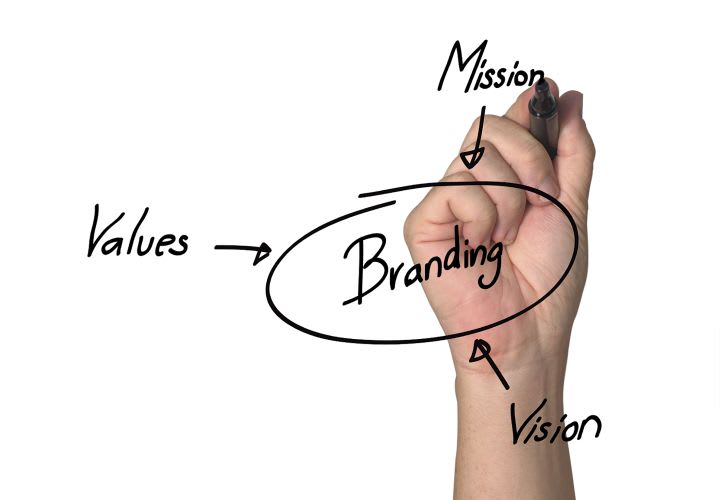
Photo courtesy of iStockPhoto.
Photo courtesy of iStockPhoto.
Management guru Peter Drucker once said: "The aim of marketing is to know and to understand the customer so well that the product or service fits him and sells itself."
The term marketing may conjure negative images of lascivious "Mad Men," fast-talking telemarketers, or annoying website pop-up ads. But, replace the word marketing with management, then specify a customer in terms dealt with every day — a boss, the CEO or company president, department heads who are fleet stakeholders, field fleet administrators, and, of course, drivers — and, suddenly, Drucker's marketing mantra has great meaning.
There's no doubt that a fleet manager's effectiveness depends on "knowing your stuff." But, the ability to market a manager's or department's competencies improves the chances of being recognized as an important asset. By utilizing the best practices described below, you can create and impart a brand for the company's fleet operation, an image or impression you want to project as an organizational asset in the minds of the company's key constituencies.
Step #1: Summary of Value. How would you articulate the value a department brings to the organization on a daily basis? How would you do it in a few, memorable words? Generally, the fleet department wants to be seen as problem solvers sought out by customers when they need answers or help.
The fleet manager's contribution to the organization's bottom line is advanced by an image that allows you to demonstrate the work you do best, elicits quality feedback, engenders admiration, and creates advocates within the organization.
Ironically, as the department/fleet manager, you may be the least likely person to do this. You may have too many thoughts on the topic. You know how much work gets done, how many departments you touch, and how much value you bring to the company in so many different ways.
Step #2: Define the Market. In the case of fleet decision makers, upstream customers include company stakeholders: upper management, finance, procurement operations, human resources, occupational safety, and other stakeholders impacted by fleet operations. The downstream customers include drivers, field administrators, in-house garage staff, "soft-cost" departments, OEMs, and service providers.
Step #3: Know the Market. The goal of any marketing campaign is nothing less than to persuade someone to act the way you want them to act, believe what you want them to believe, and become an agent of change on your behalf. Not only do you need to know who these people are, but you need to know what they think. You need to get inside your customers' heads to more precisely deliver an effective marketing message that makes your target think, "This is what I need. This manager understands my concerns and can help me."
Step #4: Brand Reinforcement. Circling back to the first point: Choose the words of your value message, as simply as possible. Based on my experience, you will find the right words from your customers. After all, you want to be what they want you to be. However, complicating matters is the fact that what the CFO wants you to be will be different than what the HR manager wants. And, that will be different than what the sales VP wants — all the more reason to keep your message at the highest possible level.
Step #5: Aspire to tie your department's image to corporate goals. Something as simple as the play on words, "we drive value" makes the point. "Success in motion" defines the fleet's role and goal. Whatever the final words, they must be consistent with the customers' interests and expectations. Once the words are right, you need to convey and reinforce that message at every turn and to every constituency, which requires a two-prong campaign.
Reporting Upstream & Downstream
In your role as manager, you ultimately report to upper management and involve stakeholders from other departments in setting goals, talking strategies, getting buy-in, communicating results, and prioritizing workflow. These are your upstream customers.
Of course, you have many more customers who can make or break the implementation of even the finest strategy. Drivers, field administrators, OEMs, service providers, and other department employees that touch fleet are all downstream customers.
By sharing your brand and reinforcing that message with enough regularity to create understanding and build a base of advocates, you stand a better chance to achieve a sound fleet strategy. But, obviously, the communications tasks are different for upstream customers vs. downstream customers.
Managing Upstream
If you've ever felt micromanaged or ignored by management, felt strongly about a strategy but couldn't get buy-in for it, or if you've ever felt sick at the thought of relaying bad news, the following marketing communications tips can help you build a strong, trust-filled client-consultant relationship with your key constituencies:
Get on the Same Page. What does management care about? Its corporate goals: growth, profitability, social responsibility, service excellence, and other big picture measures. Capture management's interest and earn its trust by translating fleet goals and strategies into business terms management will appreciate.
For example, a long-accepted fleet metric, such as total cost of ownership (TCO) with its focus on return on investment (ROI), or return of cost, may not impress a management team absorbed with total value of ownership (TVO). The TVO metric requires more work, specifically, identifying the company's overall business goals, defining the business change required to meet those objectives, and identifying the technology enablers required to achieve the business change. But, the good news is that, by doing so, you can build closer working relationships with procurement, finance, and other departments you need as advocates.
Start by sitting down with key management and stakeholders to jointly agree on strategy, goals, and timelines. Then, schedule regular update meetings throughout implementation. Keep everyone on the same page regarding what to expect, what resources are needed, and how much time it will take.
Finally, once you speak management's language, you need them to understand your language. Educate management and other constituencies with one goal in mind: another manager with a good understanding of fleet operations can be a powerful ally and even a convincing proponent of your strategies.
Establish an Effective Communication Schedule. The good news about sharing a common language is that you will communicate more readily with your constituencies. In fact, they will reach out to you. The bad news, the communications will usually be questions. Staff will have questions. Drivers have questions. C-levels have questions. Rather than deal with a host of requests for updates or details from different people, set fixed times and methods for updates.
Set up a fixed meeting schedule and invite all involved stakeholders, from senior management to other team leads. Use this time to review reports on performance to date and monthly, summarize key highlights on what's working and what needs attention, and alert everyone to new initiatives.
In between meetings, send out periodic updates via e-mail. Be proactive when anticipating questions you could be asked by management. Additionally, send out reports as progress or issues dictate. By setting the tone for communication, you'll earn the confidence of upper management and also save your precious time from all their interruptions.
Develop Buy-In and Allies. Now you already know that with management you need to talk about everything in terms of profit and other corporate goals. When you want buy-in for a new strategy, especially if it requires additional budget, do the legwork first and showcase your research. Next, in addition to presenting management with these metrics, be prepared for every question they could ask.
Assume that every statement you make will be challenged by the question, "Why?" Then, walk through every step in the process that leads to the ultimate support of a particular corporate goal.
For example: When promoting the ability to improve TVO, it's important to identify the single most important corporate objective, and then build the analysis step-by-step. Remember to engage and address the interests and concerns of all stakeholders, developing buy-in and allies through a solution that helps improve those areas as well. They want to know: "What's in it for me?"
Deliver Bad News with a Positive Spin. The best strategy for occasions when you have bad news to deliver is to be honest and upfront as soon as you discover it. Detail how large the damage is and the steps you've outlined to turn things around.
By taking ownership of the bad news, bringing it to light quickly, and showcasing your proactive approach to problem solving, you'll have averted the crisis situation while helping to actually improve the client-consultant relationship you want to build.
Incentivizing Downstream
While the upstream-focused message of fleet operations' effectiveness in supporting corporate goals is also important to downstream customers, develop a downstream marketing strategy to deliver a simpler message, with increased regularity, while providing more compelling benefits for the customer.
The incentive for OEMs and outside service providers to support fleet operations initiatives is very clear. They can be counted on to not only support your brand, but to augment your marketing efforts. In fact, they should provide you with a supplemental marketing plan for both upstream and downstream marketing.
However, drivers and employees from other departments who support fleet need an incentive to be fully engaged. The easiest, yet still impactful, marketing tool is recognition. The driver rewards concept has been around for years and has proven to be an effective driver behavior change-agent.
As part of a downstream marketing plan that includes a medium for a promoting driver fleet policy adherence, driver recognition can spur downstream customers' competitive nature and deliver results. Electronic marketing tools, like e-newsletters, digital photography, video, and webcasts make downstream communications less time consuming and cheaper to implement, as well.
Getting On the Same Page
John Dmochowsky, senior sales fleet manager at Mondelez International, recently shared some insight into successfully facilitating company buy-in for Mondelez's risk program, which came out of the company's Safety Summit.
"The unique thing was to get all key stakeholders into a room, spending an entire day defining expectations, determining how they receive our current safety program, and projecting where we need to be done in the future," explained Dmochowsky. He added that attendees included representatives from risk management, human resources, sales, and fleet.
"The conversation was robust, and we had the opportunity to coalesce our key initiatives. We now have a rhythm going with this group. Everybody is engaged because everybody has skin in the game. As a result, our plan will bring cost savings, but most importantly, it will enhance the safety of our employees at Mondelez International," he said.
Floating Your Fleet News Downstream
Ed Finnegan, director of the State of Georgia Office of Fleet Management, recognized the challenge of enlisting support for his initiative among the 143 dispersed state agencies that utilize fleets ranging from one to 4,500 vehicles. His solution was a weekly eNewsletter called the Friday Blast. He believes that the "downstream" dissemination of fleet content offers several benefits.
"Because each agency has so many different business issues to contend with on a daily basis, fleet could become lost in the shuffle," he said. "Our Friday Blast, however, is an unassuming, yet effective, marketing tool that keeps fleet policy adherence, the fleet calendar of events, and promotion of positive agency fleet performances. I want to win support for our cause from our readers. So, it must be an easy read that is concise and engaging," he said.
"More so, I want it to reflect my personality rather than look like a newsfeed. If I'm willing to share my thoughts, they'll be more willing to share their thoughts with me," he added. "All in all, the feedback regarding the Friday Blast has been excellent. Best of all, results prove that we have strong support for our programs by the various agencies."
Ed Pierce is the president of It's the Arts Integrated Marketing, which offers marketing and branding solutions that include everything from content marketing to brand channel strategies. Previously, Pierce managed marketing and branding for ARI and ARI Fleet UK. He can be reached via e-mail at results@ItsTheArts.com.
More Remarketing

Ford Pro Launches Certified Pre-Owned Program for Commercial Vehicles
Ford Pro Advantage will offer certified pre-owned Class 1-7 commercial vehicles through more than 700 Ford Pro Commercial Vehicle Centers.
Read More →
Copart to Acquire ACV in $1.9 Billion Deal
The acquisition would expand Copart beyond its traditional salvage business into dealer-to-dealer wholesale remarketing while adding ACV’s vehicle data, inspection, and valuation technology.
Read More →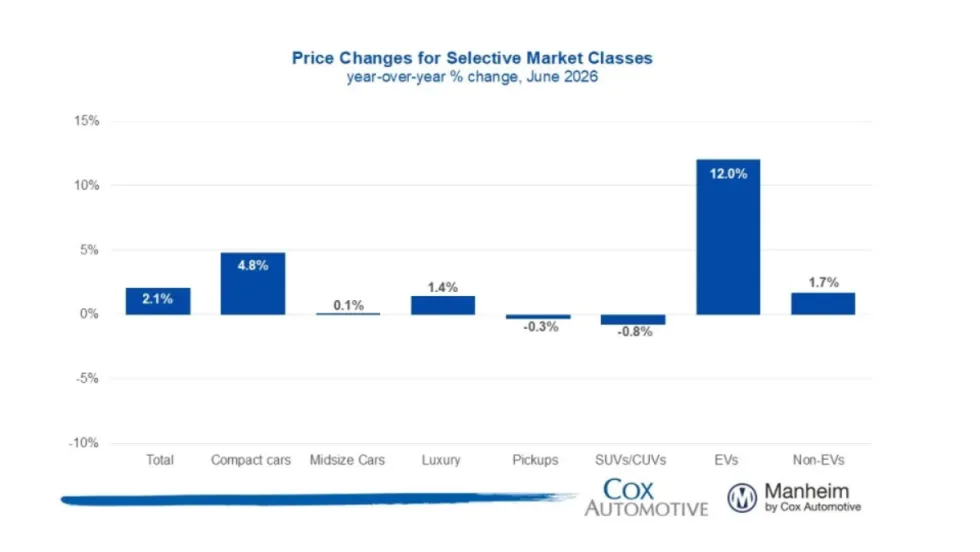
Manheim Index Shows Used-Vehicle Wholesale Prices Up 2.1% in June
The market is seeing stronger appreciation in older used vehicles this year, and the most affordable segments have been among the year’s best performers.
Read More →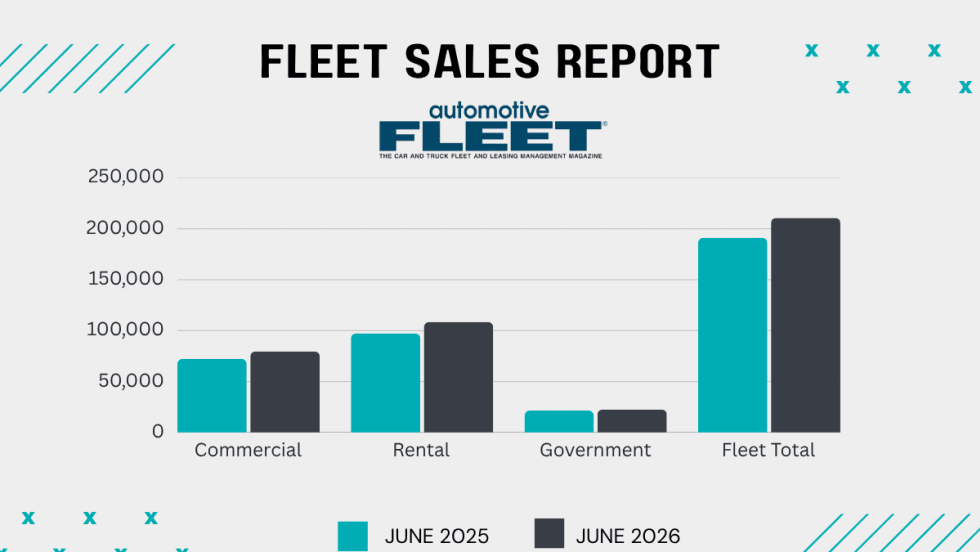
Commercial Fleet Sales Contribute To June, YTD Gains
The fleet sector has boosted its vehicle purchases at a reliable pace in the first half of this year compared with 1H 2025.
Read More →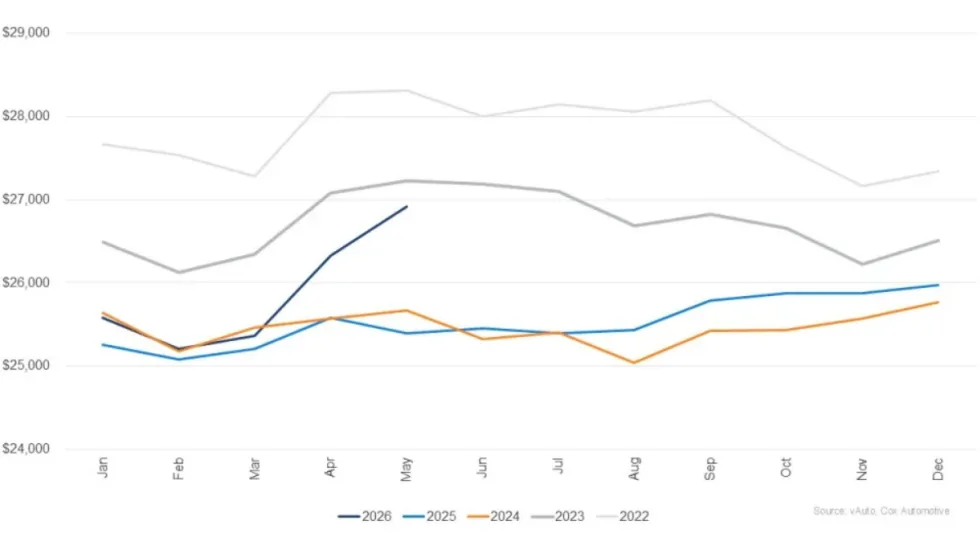
Used Vehicle Prices Climb Higher As Sales Pace Slows
The higher prices at used retail reflect strong wholesale values earlier in the spring, particularly for older, more affordable vehicles.
Read More →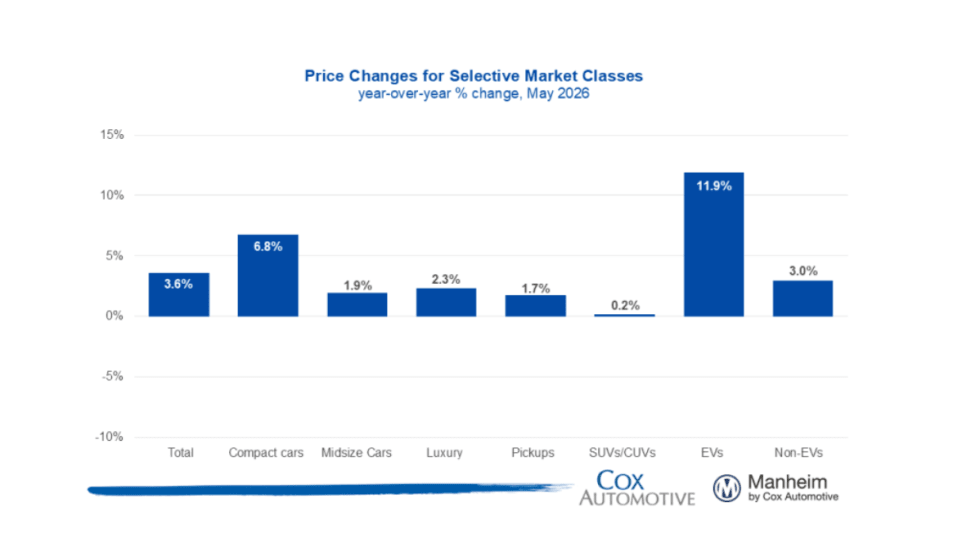
Wholesale Used Vehicle Market Sustains Moderate Rise In Values, Prices
Trends continue to normalize after a strong start to the year, as consumers contend with higher gas prices in the coming summer months.
Read More →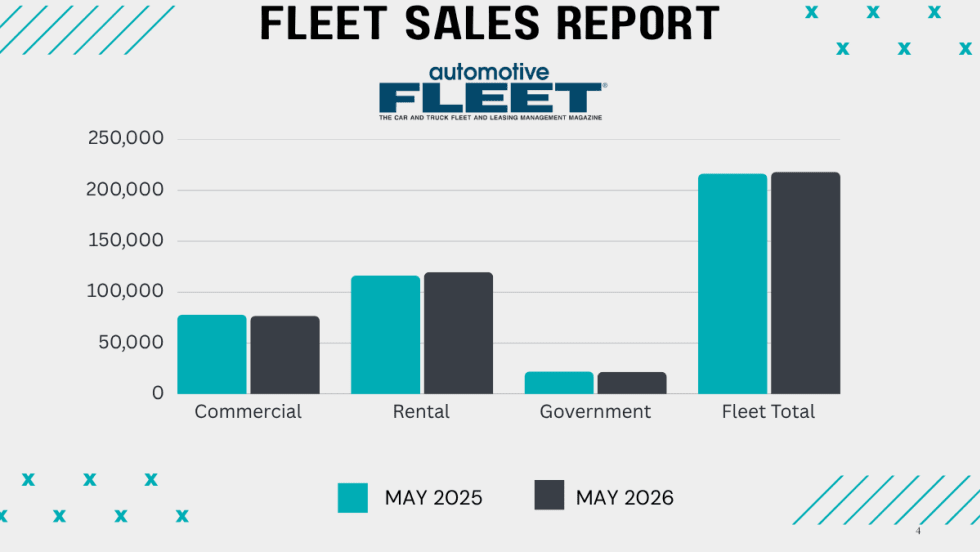
Commercial Fleet Sales Still Lead Sectors Despite May Mini Dip
The U.S. economy's continued growth and positive business investment are creating a favorable environment for fleet vehicle demand.
Read More →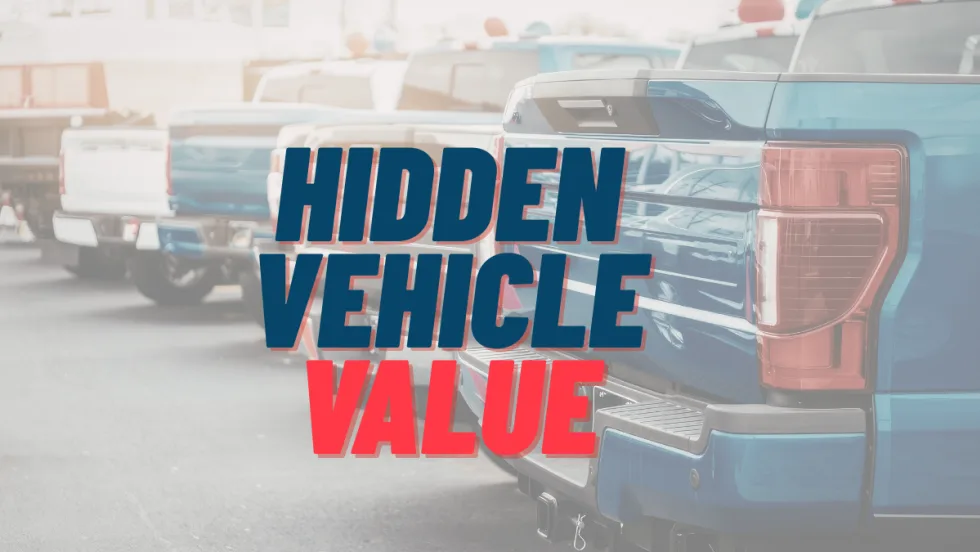
How Connected Vehicle Data Is Lifting Fleet Resale Values
A vehicle health score could improve the value of fleet vehicles at remarketing. The path to a universal standard is forming, and fleets that understand the process early will be better positioned when it arrives.
Read More →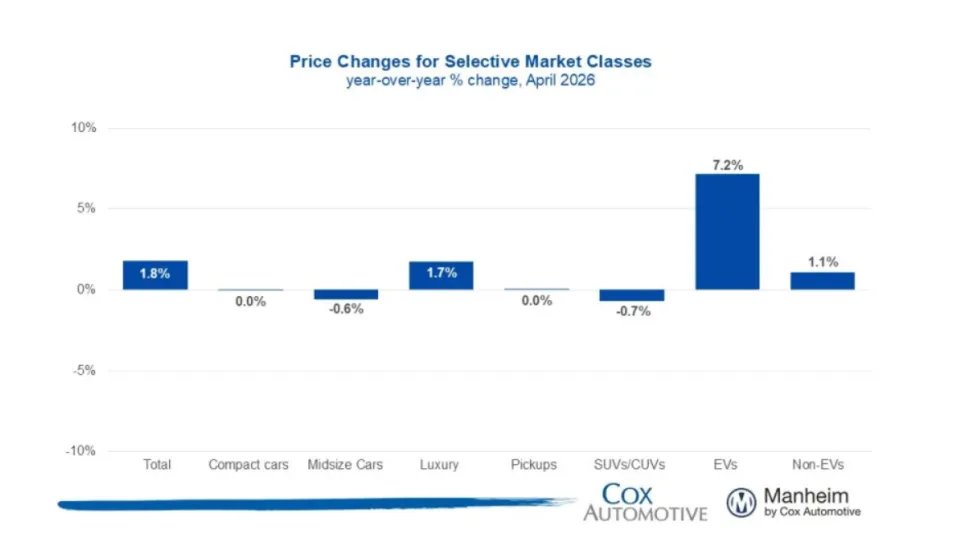
Wholesale Used Vehicle Prices Slightly Up In April
The Iranian conflict and rising gas prices inject much uncertainty into the future wholesale used vehicle markets, as higher gas prices soak up spendable income from vehicle buyers.
Read More →
CAR2026: James McKinley Wins Value Champion of the Year
James McKinley of City Rent a Truck was named the inaugural Fleet Value Champion at the CAR Conference for his data-driven approach to fleet lifecycle management and vehicle remarketing.
Read More →