




4 Nominated for 2013 Fleet Executive of the Year
Four highly qualified fleet executives have been nominated for the prestigious award, which will be presented at the 2013 AFLA Conference in September.


Fleet Financials magazine announces the nominees for the 2013 Fleet Executive of the Year Award. The Fleet Executive of the Year award is sponsored by The CEI Group.
The Fleet Executive of the Year Award was created to recognize exceptional leadership by managers who have a title of vice president or higher who and/or have other responsibilities beyond fleet.
A panel of industry judges will evaluate criteria submissions including cost-saving initiatives, policy setting, creation of innovative programs, and cultivation of fleet manager training and management.
The award will be presented at the 2013 AFLA Conference, Sept. 10-13.
Bo Cupps
Company: Infinity Insurance Company
Title: AVP, Office Services
Total Vehicles: 498
Staff Supervised: 5 Direct; 61 Indirect
Years in Fleet: 25 years (37 years with Infinity.)
Replacement Policy: Two or three years
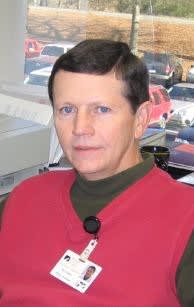
CUPPS
Cupps controls and coordinates the efforts of all office services functions, such as real estate leases, facilities, equipment leases, corporate contracts, fleet vehicles, purchasing, warehouse operations, records storage, printing/graphics, imaging, and the physical office environment. Functions include real estate leasing, property purchases, building purchases, construction, and renovation projects negotiating leases and property purchases. His efforts have grown the fleet from 20 cars to almost 500 vehicles, including hybrid units. Infinity was the first fleet in the insurance industry to be designated as climate neutral by purchasing renewable energy credits to offset total greenhouse gas emissions. Due to an aggressive maintenance program and cycling best practices, the company has realized an ROI of more than $2.8 million over the past several years. Cupps was actively involved in the construction of the first LEED-certified 35,000 sq.-ft. operations center in McAllen, Texas.
Kevin Fisher
Company: ARAMARK
Title: VP, Strategic Fleet Operations
Total Vehicles: 4,850
Staff Supervised: 3 direct; 5 indirect
Years in Fleet: 34 years (5 years with ARAMARK)
Replacement Policy: Management Fleet Cycle 3 years/75,000 miles, Operational Fleet Cycle varies by business unit and vehicle type, ranging from 5 years/120,000 miles to 8 years/150,000 miles.
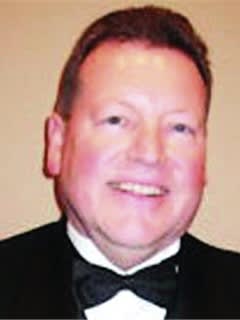
FISHER
During his 33-year career in the transportation and logistics industry, Fisher has held both operational and business development positions with a third-party logistics provider offering customized transportation and distribution solutions to meet supply chain needs. He is currently responsible for managing the acquisition, financing, specifications, maintenance, fueling, license and registration, regulatory compliance reporting, collision management, and fleet safety reporting for the ARAMARK vehicle fleet.
A challenge in managing the 4,850-vehicle ARAMARK fleet is that it reaches across several different divisions and business units. Despite the challenge, Fisher identified several opportunities within key areas where the fleet could implement not only more effective control of operating costs across its business units but also a reduced carbon footprint.
Fisher and his team worked with a fleet management company (FMC) to benchmark ARAMARK’s maintenance data against the FMC’s data universe. The report identified a few practices that were contributing to increased operating costs and lower productivity related to repairs, downtime, and fuel efficiency.
To gain control over inconsistencies noted in the report, Fisher’s team and the FMC formulated a more appropriate replacement schedule for each vehicle group and driving pattern within each business unit based on mileage, repair history, vehicle functionality, fuel economy, safety features, warranties, and resale value. They also identified a downsized vehicle option for each vehicle group that met the job requirements at a lower total cost of ownership. Then, Fisher put a plan in motion to replace a little more than half of the fleet.
The fuel efficiency of the smaller vehicles chosen to replace the older vehicles will reduce the company’s overall carbon footprint and thereby increase ARAMARK’s corporate sustainability. Overall estimated CO2 reduction for all replacements could be as high as 7,600 tons annually.
Steve Saltzgiver, CAFM
Company: Coca-Cola Refreshments
Title: Vice President, Fleet Operations
Total Vehicles: 43,000
Staff Supervised: 9 direct; 900 indirect
Years in Fleet: 30+ years
Replacement Policy: 12 years
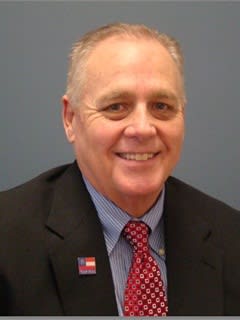
SALTZGIVER
Saltzgiver provides executive leadership and strategic direction over the management of Coca-Cola’s more than 40,000 assets, approximately $2 billion in assets, about $130 million annual capital expense, and around a $175 million operating budget. He is responsible for capital budget planning and implementation of best practices with an objective of continuous improvement.
He has redesigned the beverage company’s North American fleet organization, reducing staff by more than 10 percent; increasing the fleet’s capability, strategic focus, competitiveness, and flexibility. He centralized eight independent “silo” regional organizations into a single, streamlined operation. He led major changes to standardize all fleet processes in North America, as well as implementing telematics across the North American fleet to optimize fleet maintenance and assets. He also redesigned internal communication to increase fleet accountability.
The North America Fleet organization was reorganized into a centralized operation providing improved communication to serve its customers. It has designed and implemented a proprietary Smartdriver program coaching 11,000 drivers in the science of eco driving and enhanced safety principles to reduce CO2, fuel, and accident costs. He also worked to streamline more than 27 DOT accounts down to less than five operating entities, providing improved visibility to proactively manage its CSA score.
Saltzgiver’s management and leadership experience includes fleet administration, centralization initiatives, IT projects, financial planning, specification, procurement, data analysis, and customer service programs.
Jerome Webber
Company: AT&T
Title: VP, Global Fleet Operations
Total Vehicles: 74,500
Staff Supervised: 1,100+ employees and
contracted resources
Years in Fleet: 6 years (26 years with AT&T)
Replacement Policy: 12 years/150,000 miles
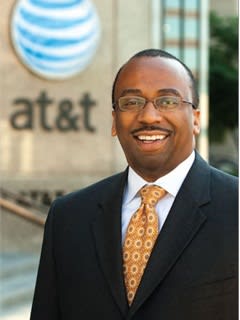
WEBBER
Webber is responsible for AT&T enterprise-wide fleet operations, including policy, strategy, environmental and regulatory compliance and operational effectiveness for fleet repair and maintenance across 50 states, two U.S. territories, and 20 plus countries internationally.
He also directs vehicle replacement capital planning, vehicle acquisition and disposition, vehicle specifications and upfit, dispatch and vendor call center, bill payment, vehicle registration management, fuel management, fuel card administration, and emergency fueling restoration.
Additional responsibilities include project management, development, implementation, and tracking of AT&T’s alternative-fuel vehicle commitment, fleet sustainability initiatives, and promotion of public compressed natural gas (CNG) fueling infrastructure.
Webber effectively integrated AT&T’s diverse legacy fleets following the acquisition of BellSouth in 2006, and the consolidated ownership of Cingular Wireless and YP.com. The 18-month fleet standardization initiative involved 19 project opportunities, ranging from tire procurement, parts, preventive maintenance intervals, waste fluid disposal, electronic billing, and call center consolidation.
In 2009, Webber spearheaded key strategy and deployment plans for AT&T’s corporate commitment to deploy approximately 15,000 alternative-fuel vehicles by the end of 2018. Nearly at the mid-way point of the commitment, more than 7,000 alt-fueled vehicles have been deployed. Alternative-fuel vehicles now comprise approximately 10 percent of AT&T’s corporate fleet, the majority of which will never consume a single drop of gasoline. This fleet is one of the largest dedicated alternative fuel fleet’s in the nation.
In 2010, under Webber’s leadership, AT&T awarded the most comprehensive vehicle repair and maintenance contract in its fleet history. They transitioned from multiple regional providers to one national provider which allowed them to take advantage economies of scale, focus on cost reduction, streamline processes, and deliver high level of service to their internal clients.
In addition to AFVs, the team implemented its Leaner Cleaner Smarter strategies. This multifaceted approach to fleet management included lighter, more sustainable materials in vehicle specifications, reduction of garage waste streams, and integration of data into its operations.
More Operations

What's Best Handled by an FMC, and What's Better Done Directly?
Fleet managers continue to rely on FMCs for essential services but are taking a closer look at where working directly with suppliers can improve efficiency and responsiveness.
Read More →
Fleet Meets: Erin Gilchrist
Meet Erin Gilchrist, the inaugural Mike Antich Spirit of Fleet Award winner, as she shares insights on leadership, mentorship, the power of industry connections, and why people remain at the heart of fleet's future.
Read More →
How 2026 Fleet Visionary Jamie McKay Manages 2,400 Vehicles Across 37 States
How do you keep 2,400 vehicles running across 37 states? Fleet Visionary Award winner Jamie McKay shares how collaboration, flexibility, and a few simple strategies help her tackle fleet management challenges at Aptive Pest Control.
Read More →

Managing Fleet Costs in an Era of Permanent Volatility
Fleet operating costs have risen more than 20% since 2020, raising a key question: When does extending a vehicle's service life stop making financial sense?
Read More →
The Next Evolution of Fleet Management: Autonomous Operations
This opening keynote session at the Fleet Forward Conference highlights the future of autonomous driving for fleets.
Read More →
How to Reduce the Total Cost of Risk From Catalytic Converter Theft
A stolen catalytic converter can cost fleets far more in downtime and lost productivity than in repairs. A total-cost-of-risk approach can help fleet managers quantify their exposure and prioritize theft prevention.
Read More →
Personal-Use Charges Rise as Vehicle Values Fall | AF News Recap
Personal-use charges are climbing, wholesale used-vehicle values are declining, and commercial fleet sales growth is slowing. This week, we're breaking down the latest fleet data, plus how Element Fleet Management is helping Waymo prepare for its first Canadian robotaxi market.
Read More →
Here's When You Should Make an Exception to Fleet Policy
Fleet policies are designed to create consistency, but not every driver or situation fits neatly within standard rules.
Read More →
AI-Native or AI-Acquired: What Should Fleet Managers Look for in an AI Platform?
Six questions can help fleet managers look beyond AI marketing claims to evaluate integration, data access, and real-world operational performance.
Read More →
A buyer's guide to fleet management software in 2027
Buying fleet management software in 2027 means looking beyond features and price. As fleet operations, technology and expectations evolve, this guide explores what today’s fleet professionals should consider when choosing a system that can deliver value now and adapt to what comes next.
Read More →