




3M Center Reinforces Good Driving
Performing an annual motor vehicle record check and assigning a point system for driving infractions has helped 3M reduce accidents by 14 percent.

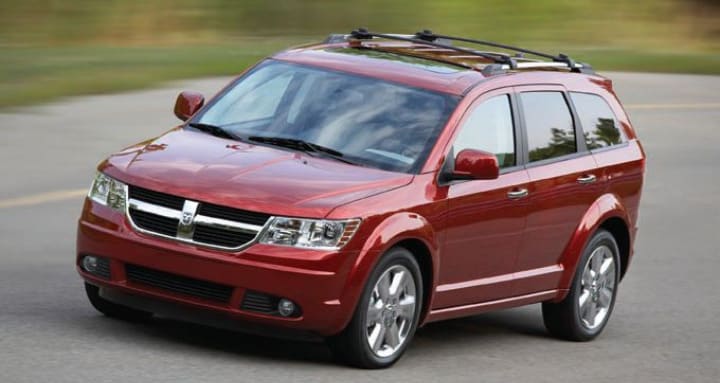
Dodge Journey
3M, a diversified technology company that produces Post-it products, reflective materials, industrial tapes, packaging solutions, and more, calls its risk management program the "U.S. Safe Driver Program." The 2,500-vehicle fleet is used primarily for sales (2,200 vehicles) as well as plant facility vehicles (300).
The goal of 3M's risk management program is to reinforce good driving habits that keep employees safe, protect the company's reputation, and minimize the risk of financial exposure.
"We perform annual motor vehicle record (MVR) checks on every 3M employee and other eligible drivers given permission to drive a 3M vehicle, including spouse/domestic partner and adult child over 21 living at home," explained David Haslerud, global process specialist, administrative services at 3M Center.
Points are assigned to driving infractions and three-year point totals are calculated for each driver, with increasing severity of corrective actions (online class, classroom training, removal of vehicle, etc.).
The driver's manager is notified of corrective actions, and a record is kept in the employee personnel file.
"We do MVR checks in the middle of the year so we are done in time for the normal fall ordering cycle," said Haslerud. "Drivers who do not complete any required training will not be able to order their replacement vehicle."
Facing Problems & Realizing Accomplishments
According to Haslerud, initial problem areas included motivating drivers to complete the MVR form in a timely manner, authorizing 3M to check their driving record, and sending incomplete or inaccurate forms.
"We now only need a completed authorization form from new employees as the initial form allows us to check every year," noted Haslerud.
The current process is completed in a few months. In the program's first year, the process took more than six months from start to finish.
"A bit of a surprise bonus is 2009 (our second year of the program) saw a 14-percent year-to-date reduction in accidents and more than $200,000 less in accident repair costs," said Haslerud. "In talking with a few select sales reps about the program, they indicated just knowing we are going to be checking their driving record has caused them to be more aware of how they are driving. They're slowing down, are able to react quicker to developing situations, and as a result, are better and safer drivers. We appreciate it and hope they and their families do too."
To develop a risk management program, Haslerud suggests to "just get started."
"Involve management of the drivers, as their support for the program is critical. The potential liability to your company if you don't do anything is staggering. This is one area in which you don't want to bury your head in the sand," said Haslerud.
More Safety

Does Your Fleet's Culture Encourage Distracted Driving?
What happens when the people responsible for enforcing safety rules are the ones setting the wrong example? The answer may reveal why some of the biggest risks to fleet drivers have little to do with what's written in the employee handbook.
Read More →
Fleet Manager’s Ultimate Playbook: Navigating the New Standard in OEM Connectivity
Rising operating costs, driver safety concerns, and unplanned downtime are putting unprecedented pressure on modern fleets. Discover how fleet managers use embedded OEM connectivity and real-time vehicle data to cut TCO, prevent downtime, and protect drivers without aftermarket telematics hardware.
Read More →
From Driver Well-Being to EV Charging | AF News Recap
Mental health belongs in the fleet safety conversation. This week, we’re looking at five ways fleets can support employee well-being before a crisis, plus Holman’s expansion in Mexico, new one-day Fleet Forward passes, and why EV charging demand is outpacing infrastructure growth.
Read More →
Nexar-Nauto Merger Aims to Give Fleets Better Safety Intelligence Through Larger Driving Dataset
Stefan Heck tells Automotive Fleet that combining more than 10 billion miles of driving history with Nexar's AI models will give fleets deeper insights into driver risk and roadway conditions than either company could provide independently.
Read More →
Don't Wait for a Crisis: 5 Ways to Build Mental Health Into Your Fleet Safety Program
For Suicide Prevention Month, fleet and safety leaders have an opportunity to put mental health where it belongs: at the center of workplace safety.
Read More →
How Camera Data Can Strengthen a Fleet’s Insurance Renewal
Insights from a commercial insurance carrier and a broker show how fleets can turn video telematic data, driver coaching, and improved claims results into a stronger case at insurance renewal.
Read More →
The Safest Fleets Aren’t the Ones with the Most Technology
You’ve made the telematics investment. Here’s how to capture the other half of its value and build the safest fleet on the road.
Read More →
Hidden in Plain Sight: Fleet Compliance Risks
Fleet compliance isn't just about having policies — it's about consistently enforcing them. This practical guide reveals six hidden compliance risks common in public sector and shared fleet operations and outlines proven strategies to improve visibility, accountability, and audit readiness
Read More →
NETS Sets 2026 Fleet Safety Benchmark Conference for Indianapolis
The Sept. 15–17 program will feature fleet benchmarking data, case studies, emerging technologies, and implementation strategies while running alongside the NSC Safety Congress & Expo.
Read More →
Off-the-Job Crashes Account for 43% of Employers’ $61.7 Billion Crash Burden
NETS quantifies costs dispersed across fleet, risk, HR, and other departments while providing new per-crash benchmarks for employers.
Read More →