




2015 Chevrolet Tahoe and GMC Yukon Denali
It was "over the river and through the woods" for automotive journalists who recently had a chance to put the new, MY-2015 Chevrolet Tahoe and GMC Yukon Denali models to the test.

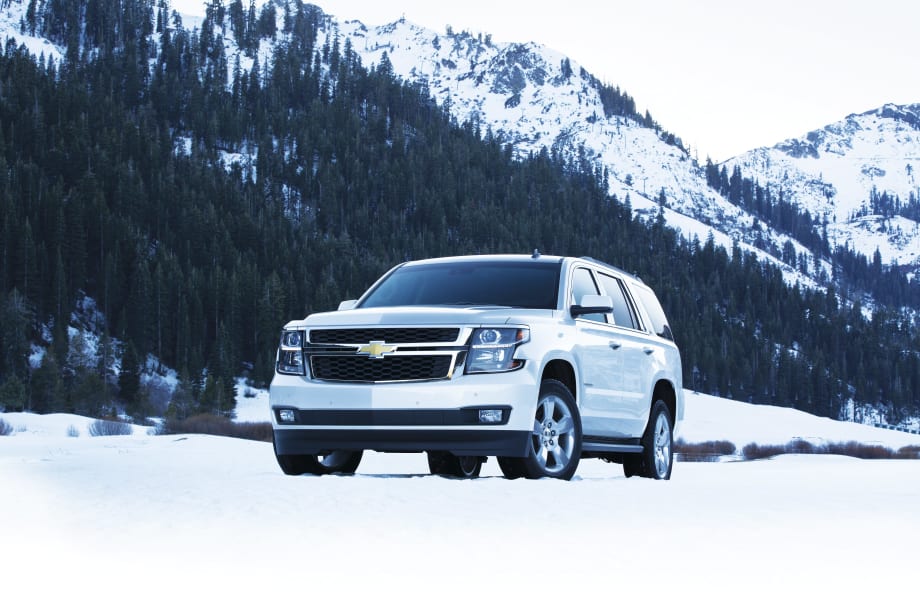
Photo of 2015 Chevrolet Tahoe courtesy of GM.
Photo of 2015 Chevrolet Tahoe courtesy of GM.
It was "over the river and through the woods" for automotive journalists who recently had a chance to put the new, MY-2015 Chevrolet Tahoe and GMC Yukon Denali models to the test.
During the February ride-and-drive event, the full-size SUVs were driven in ideal highway conditions and less-than-ideal mountain roads through both rain and snowstorms. The result was highlighting the MY-2015 models' ability to handle any terrain in any weather condition.
Among the factors aiding the Chevrolet and GMC SUVs' ability to negotiate the steep grades of the ride-and-drive were the models' all-new EcoTec3 5.3L V-8 engine, which is rated at 355 hp and produces 383 lb.-ft. of torque. The engine has been EPA-rated at 16 mpg city/23 mpg highway for the 2WD models, or a nearly 10-percent increase in highway mpg and a 7-percent rise in city mpg over the previous models, according to the automaker.
The EcoTec3 5.3L is standard on the MY-2015 Chevrolet Suburban and Tahoe and the GMC Yukon and Yukon XL models. An exclusive 6.2L engine is standard on the Denali models. The 6.2L produces 420 hp and 460 lb.-ft. of torque. The 6.2L has an EPA-estimated 15 mpg city/21 highway for the 2WD model.
Regardless of engine type, both the Chevrolet and GMC SUVs come standard with a Hydra-Matic 6L80 6-speed automatic transmission.
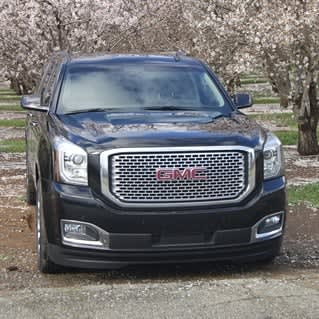
2015 GMC Yukon
In addition to a bold, new design in seating and suspension, both brands feature a number of safety and security features designed to protect drivers and fleet assets.
Depending on the model, both SUVs include a number of standard and available safety systems, including a standard rear-vision camera. Standard features on the LTZ trim (and available on LT trim models) include: side blind zone alert, lane change alert, and rear cross traffic alert. Standard features on the LT and LTZ models (and available on the LS models) include: forward collision alert, lane departure warning, adaptive cruise control, crash imminent braking, and a safety alert seat.
In addition to driver alert features, standard chassis control crash-avoidance technologies include GM's StabiliTrak electronic stability control with rollover mitigation technology; trailer sway control; hill-start assist; and four-wheel, four-channel anti-lock brakes. A trailer brake controller is available which sends the correct, proportional power to the trailer brakes when necessary.
Both models have a number of theft deterrent systems available, including motion detectors.
For commercial fleets, railroads and sales are the most common uses for the Tahoe and Yukon models. The largest fleet customers are law enforcement and government entities.
"We offer unique Police (9C1) and Special Services (5W4) Tahoe packages as well as a package tailored to fleet buyers (1FL). Of course we also sell LS, LT, and LTZ trims to fleets," said Dan Tigges, marketing for full-size trucks and utilities for GM Fleet and Commercial.
Measuring the Capacities
In addition to their numerous new features, the Chevrolet Suburban/Tahoe and GMC Yukon/Denali deliver the performance fleets need.
The Chevrolet SUVs have a maximum payload and trailering capacity of:
1,702 pounds payload for the 2WD models
1,760 pounds payload for the 4WD models
8,600 pounds trailering for the 2WD models
8,400 pounds trailering for the 4WD models
The GMC Yukon and Denali models have maximum payload capacity of:
1,676 pounds payload for the 2WD Yukon
1,635 pounds payload for the 4WD Yukon
1,567 pounds payload for the 2WD Denali
1,517 pounds payload for the 4WD Denali
The maximum trailering for capacity the Yukon and Denali is:
8,500 pounds trailering for the Yukon 2WD
8,200 pounds trailering for the Yukon 4WD
8,400 pounds trailering for the Denali 2WD
8,100 pounds trailering for the Denali 4WD
More Operations

Avis Budget Group Deploys Neology Toll Management Technology Across Major Brands
Neology’s neoFleet platform will manage toll transactions and toll-authority operations for vehicles across Avis, Budget, Payless, Budget Truck and Zipcar.
Read More →
Fleet Personal-Use Charges Edge Higher in 2026
Nearly eight in 10 surveyed fleets allow personal use of company vehicles, while just over half of respondents report charging employees for the privilege.
Read More →
The Future of Fleet + What’s Changing Right Now | AF News Recap
Could developments overseas offer a preview of what’s coming for U.S. fleets? This week, we’re looking at the future of AI, autonomy, and electrification, plus Ford Pro’s new certified pre-owned program, smarter vehicle offboarding, and a new way for fleets to manage toll expenses.
Read More →
How to Handle Vehicle Offboarding
What do fleet managers need to do when a driver leaves?
Read More →
Fleet Manager’s Ultimate Playbook: Navigating the New Standard in OEM Connectivity
Rising operating costs, driver safety concerns, and unplanned downtime are putting unprecedented pressure on modern fleets. Discover how fleet managers use embedded OEM connectivity and real-time vehicle data to cut TCO, prevent downtime, and protect drivers without aftermarket telematics hardware.
Read More →
U.S. Bank Adds Verra Mobility Toll Management to Voyager Fleet Platform
The integration allows U.S. Bank Voyager fleet customers to manage toll payments and violations alongside fuel, EV charging and maintenance expenses.
Read More →
ADAS Prevents Crashes. But Repairs Cost More | AF News Recap
ADAS-equipped vehicles may crash less often, but they can cost more when they do. This week, we’re breaking down what that tradeoff means for fleets, plus Subaru’s first Forester Wilderness Hybrid, Nissan’s new e-POWER Rogue, and why Calstart has become Catalyst Mobility.
Read More →
Moventum Fleet Management Names Mark Iorillo Head of Sales
Iorillo brings nearly 20 years of fleet management and sales experience to the role, including previous positions at Element Fleet Management, CEI, Donlen and Ryder.
Read More →
Fleet Has a Talent Pipeline Problem. What Comes Next? | AF News Recap
Where will fleet’s next generation of leaders come from? This week, we’re looking at the industry’s talent pipeline, what certification can add to a fleet career, how to build an award-worthy track record, and the return of Automotive Fleet’s Personal Use Survey.
Read More →
Smith System Launches Driver Risk Management Program
Fleets have more driver data than ever, but identifying risky behavior doesn't necessarily correct it. Smith System's new Driver Risk Management program combines monitoring, training, and follow-up coaching to help fleets connect risk signals with driver intervention.
Read More →