




2009 Dodge Journey Redefines Crossover
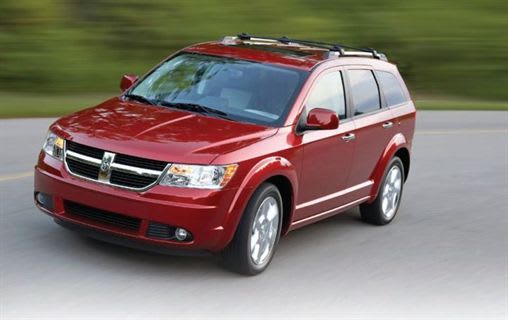
The 2009 Dodge Journey crossover blends the capabilities of an SUV with the comfort of a passenger car.

The all-new 2009 Dodge Journey is a "right-sized" crossover — important to today’s fleets — combining the versatility of a larger sport/utility vehicle (SUV) with the efficiency of a passenger car, according to Chrysler.
Dodge’s first crossover vehicle is available in three different models — SE, SXT, and R/T, differentiated by powertrains, features, and option selections. Five-passenger seating is standard on all models, with seven-passenger seating available on SXT and R/T models.
The 2009 Dodge Journey SE comes standard with a 2.4L DOHC 16-valve inline four-cylinder engine, while the 3.5L SOHC 24-valve V-6 is available on the SXT and R/T models only. The front-wheel-drive Journey features four-wheel independent front suspension with available AWD on SXT and R/T. A trailer tow package is also available on the SXT and R/T models.
Ease of Use and Utility
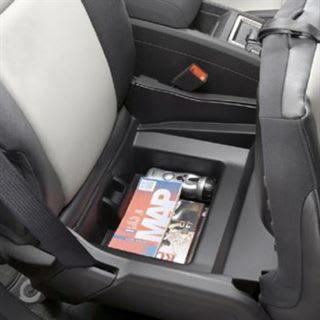
Winner of Ward’s "Clever Utility" achievement award for its "well thought-out and smartly integrated interior features," the 2009 Dodge Journey provides 90-degree rear-door openings and up to 67 cubic feet of cargo space (including available Flip ’N Stow in-seat storage and standard in-floor storage bins).
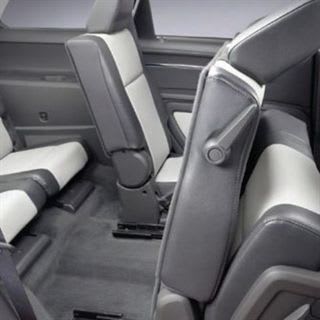
Second-row seats feature theater seating, giving passengers in the second- and third-row increased visibility. Second-row seats also move forward 4.7 inches for more leg or cargo room. The available third-row seat is easy to access due to Journey’s stadium Tilt ’N Slide second-row seats. The turn of a single lever on the side of the seat back easily folds seat cushions forward.
Safety Foremost in Journey
The 2009 Dodge Journey has more than 35 safety and security features including advanced multistage front and side seat-mounted airbags, side-curtain airbags for all three rows, anti-lock brake systems with four-wheel disc brakes, all-speed traction control, brake assist, Sentry Key engine immobilizer, and a five star government front- and side-crash test rating.
For more information, including specs and specific fleet features, please visit the Chrysler fleet Web site.
More Operations

Avis Budget Group Deploys Neology Toll Management Technology Across Major Brands
Neology’s neoFleet platform will manage toll transactions and toll-authority operations for vehicles across Avis, Budget, Payless, Budget Truck and Zipcar.
Read More →
Fleet Personal-Use Charges Edge Higher in 2026
Nearly eight in 10 surveyed fleets allow personal use of company vehicles, while just over half of respondents report charging employees for the privilege.
Read More →
The Future of Fleet + What’s Changing Right Now | AF News Recap
Could developments overseas offer a preview of what’s coming for U.S. fleets? This week, we’re looking at the future of AI, autonomy, and electrification, plus Ford Pro’s new certified pre-owned program, smarter vehicle offboarding, and a new way for fleets to manage toll expenses.
Read More →
How to Handle Vehicle Offboarding
What do fleet managers need to do when a driver leaves?
Read More →
Fleet Manager’s Ultimate Playbook: Navigating the New Standard in OEM Connectivity
Rising operating costs, driver safety concerns, and unplanned downtime are putting unprecedented pressure on modern fleets. Discover how fleet managers use embedded OEM connectivity and real-time vehicle data to cut TCO, prevent downtime, and protect drivers without aftermarket telematics hardware.
Read More →
U.S. Bank Adds Verra Mobility Toll Management to Voyager Fleet Platform
The integration allows U.S. Bank Voyager fleet customers to manage toll payments and violations alongside fuel, EV charging and maintenance expenses.
Read More →
ADAS Prevents Crashes. But Repairs Cost More | AF News Recap
ADAS-equipped vehicles may crash less often, but they can cost more when they do. This week, we’re breaking down what that tradeoff means for fleets, plus Subaru’s first Forester Wilderness Hybrid, Nissan’s new e-POWER Rogue, and why Calstart has become Catalyst Mobility.
Read More →
Moventum Fleet Management Names Mark Iorillo Head of Sales
Iorillo brings nearly 20 years of fleet management and sales experience to the role, including previous positions at Element Fleet Management, CEI, Donlen and Ryder.
Read More →
Fleet Has a Talent Pipeline Problem. What Comes Next? | AF News Recap
Where will fleet’s next generation of leaders come from? This week, we’re looking at the industry’s talent pipeline, what certification can add to a fleet career, how to build an award-worthy track record, and the return of Automotive Fleet’s Personal Use Survey.
Read More →
Smith System Launches Driver Risk Management Program
Fleets have more driver data than ever, but identifying risky behavior doesn't necessarily correct it. Smith System's new Driver Risk Management program combines monitoring, training, and follow-up coaching to help fleets connect risk signals with driver intervention.
Read More →