




10 Ways to Create a Safety Culture Among Fleet Drivers
It’s pretty clear drivers know how to drive safely. Training doesn’t inform as much as it reinforces. Establishing a safety culture among fleet drivers will strengthen that reinforcement, and save money, too.

Safe driver training is an important part of any fleet policy. Whether from behind the wheel, online, or in a classroom meeting, showing drivers what they should and should not be doing while driving is a fleet policy must.
Let it be said that drivers already know how to drive safely: They know how to obey traffic signals, drive defensively, not exceed the speed limit, not insist on the right of way, and not drink and drive. Safe driving is as much common sense as it is a skill to be learned. But amidst the bustle of a business day, as drivers must meet scheduled appointments, check messages, and return calls, safe driving thoughts tend to move to the back of the line.
One way fleet managers can counter this is via safe driver training. Another way is to ingrain a culture of safety at the company. Here are 10 ways this can be accomplished.
1. Start with Communication
Making safety a part of the corporate culture begins with communication. Much as safety is part and parcel of every day in a manufacturing plant, so too should it be part of a sales, service, job site, or delivery function and included in every meeting, e-mail, publication, and policy.
Drivers and managers should leave every meeting and conference call with safe driving on their collective minds.
There are a number of ways a fleet manager can incorporate safety in day-to-day communications. Here are some ideas:
● A safety slogan in an e-mail signature, or key statistics relating to safe driving.
● A safety session, or at least mention of safety, in every meeting or conference call.
● Newsletters - both companywide as well as fleet-specific - should have a strong emphasis on safety.
● Contests: recognition and/or prizes for safe driving records (no violations, no chargeable accidents, etc., for a specified period of time).
The point is twofold: Repetition of the safety message serves to increase day-to-day awareness and also creates the safety culture fleet managers seek.
2. A Fleet Policy is Necessary
Company fleet policy is an excellent vehicle (pun intended) for enveloping drivers in a safe driving culture. A formal fleet policy should contain certain elements to help foster a safe driving culture:
● Seat belt policy.
● MVR reviews, both for new drivers as well as ongoing reviews for existing drivers.
● Safe driver training.
● Accident review committee, to determine chargeability.
● Personal use limits/allowance.
The prominence safety and safety-related items have in a fleet policy document will reflect how seriously the company views safety: Is it just another item in a policy, or is it truly a deeply ingrained part of corporate culture?
Keep in mind a safety culture includes both the positive and the negative. Consequences for violations of safety policy must be clear, simple, and most important, consistently and universally applied; drivers must know their performance and attention to policy are scrutinized.
3. Institute a Seat Belt Policy
At the top of every fleet manager's list should be a seat belt policy: Every driver and every passenger in every fleet vehicle must buckle up before it moves. This point should not only be policy, but should extend beyond driving fleet vehicles to personal vehicles as well. Focus on the safety aspect of the policy as well as the responsibility drivers have for the safety of others, including family and friends.
More than one company has gone as far as tracking drivers entering the office over a period of time - how many were buckled in or were not - and publishing the results for everyone. Extending the policy beyond fleet drivers is a good idea as well.
4. Safety Critical in Vehicle Selection
Most fleets, to one extent or another, use safety as criterion for vehicle selection; crash test results are one example. Unless drivers and their managers know this, it doesn't feed a safety culture.
Ensure everyone knows when the company puts employees behind the wheel, safety is a consideration in determining what the wheel is attached to.
A safe driving culture is a two-way street. It isn't just demanding drivers conduct themselves in the safest manner possible, it also includes the company providing employees with the safest vehicles that can do the job.
A tangent to vehicle selection is equipment. Spec'ing vehicles with safety equipment adds to company belief that driver safety is a paramount consideration.
5. Recognition for Extraordinary Safety Accomplishments
It is true enough that driving safely is part of the job, so why recognize and/or reward employees for simply doing the job? It is not suggested drivers be rewarded each day, week, or month simply for not having accidents, or not being cited for traffic violations.
Rather, recognize drivers for extraordinary safety records, such as years of clean records or no accidents. This helps develop a safety culture.
Recognition can come in any number of forms:
● Featured in a company newsletter or other publication.
● Press release to local news outlets.
● Commendation from the CEO or other senior executive.
● Monetary or other awards (gifts, suspension of personal use charges, etc.).
These are just a few ways exemplary safety records can be recognized and rewarded. Once again: Drivers who see safety rewarded will know, first, their driving records are being scrutinized, and second, the company sees safe driving as a basic element of the corporate culture.
[PAGEBREAK]
6. Accountability Improves Safety
A safety culture holds employees accountable for keeping themselves, other employees, family, and customers safe, not only during the performance of their duties, but elsewhere as well. Any communication regarding safety should be "generic," not presented as only important while working, but during personal time as well.
A seat belt policy should encourage drivers to buckle up at home, and drivers should likewise be encouraged to drive defensively whether going to a sales or service call or taking the kids to a ball game.
The point is, drivers should not simply relate safety to fleet policy; they should incorporate it into everyday life and know the company encourages safety as well.
7. Measurements Help Track Safety
A culture of safety shouldn't begin and end with communication, training, or encouragement. It should incorporate the measurement of data, not only for fleet, but everywhere in the company.
For example, a major company with gated headquarters runs ongoing surveys on how many drivers arrive at the gate with seat belts buckled, and publishes the results every day on the company Web site, i.e., "Today, 150 of 167 drivers arriving at XYZ Corporation's front gate were wearing seat belts."
The fact this survey is not limited to only drivers of company vehicles builds the safety culture the company is seeking.
For fleet vehicles, there are a number of safety-related statistics that can, and should, be regularly tracked:
● Accident ratio: Generally expressed in accidents per million miles driven.
● Percent of chargeable accidents: Provided a clear definition of chargability is established and a means by which it is determined has
been set (accident review committees are commonly used).
● MVR Records: Percent of drivers with clean MVR records or those
showing citations.
● Average accident cost: Not just fixing physical damage, but injury,
liability, and ancillary costs (replacement rentals, etc.) as well.
Everyone should know the cost the company incurs when a driver is
involved in an accident, and how that relates to company profitability.
Ultimately, any process that tracks statistics attributable to safe driving that is communicated to all employees will build safety consciousness.
8. Include All Stakeholders
As the safety culture pertains to the company fleet, don't limit any of the previous suggestions only to drivers and the fleet department; any and all fleet stakeholders should be included. This includes, but is not limited to, the following:
● Legal: Safety is an important concern in the legal department. Potential liability, the application of consequences which may affect employment or compensation, Workers' Compensation, and other issues, have a legal component.
● Human Resources: Similar to the legal department, the HR department should be kept "in the loop" as it pertains to safety.
● Risk Management: A no brainer, risk management is deeply concerned about the safety record of the company fleet, particularly loss statistics, which will ultimately determine cost.
● Sales/Service: Whatever the mission of the company fleet, sales, service, delivery, etc., that function should be involved beyond drivers alone.
Add to policy discussion that communicating statistics and applying policy is important to all stakeholders in fleet vehicle operations. If the company is to foster and encourage a safety culture, everyone should be included.
9. Driver Records
Employees and potential hires should know the company values safety, and one of the most obvious ways this can be exhibited is through an MVR policy.
There are numerous criteria used by companies to recruit, screen, hire, and retain talented employees, including education, experience, location, industry knowledge, etc. If the job involves the operation of a company vehicle (or reimbursement for business use of a personal vehicle, for that matter), a key element in the decision should be safety as well.
The MVR of every potential new hire should be accessed and reviewed as a condition of employment. A record of violations not only shows the potential for cost down the road, but might also indicate how new hires might conduct themselves on the job in general.
If a record is severe enough, it may be grounds for selecting a different candidate. If it isn't, but shows a violation or two, a probationary period during which the driver must drive a personal vehicle is in order.
For existing drivers, MVRs should be checked at least once per year for violations (the more often the better), and appropriate action taken. Part of a safety culture involves drivers (and managers) knowing the company considers a driving record a key element in hiring as well as in continued employment.
10. Buy-In At the Highest Levels
When the CEO, chairman of the board, or president speaks, employees pay attention. Getting not only nominal support, but ongoing involvement at the highest levels of the company, can make or break a fleet manager's efforts in building a culture of safety.
When, for example, safety policy is implemented, an announcement from the CEO goes a long way toward it being taken very seriously.
The memo should not be a simple announcement, but a statement of support which names the fleet manager as executor of the policy and indicates the CEO will be kept informed on the results. Similar statements from all levels of management down the line helps show that concern about safety permeates the corporate culture.
A culture of safety is part of most other corporate functions: in the plant, for the health of the employees (benefits), in the office, etc.
It should be no different when it involves putting an employee behind the wheel of a vehicle.
More Safety

Nexar-Nauto Merger Aims to Give Fleets Better Safety Intelligence Through Larger Driving Dataset
Stefan Heck tells Automotive Fleet that combining more than 10 billion miles of driving history with Nexar's AI models will give fleets deeper insights into driver risk and roadway conditions than either company could provide independently.
Read More →
Don't Wait for a Crisis: 5 Ways to Build Mental Health Into Your Fleet Safety Program
For Suicide Prevention Month, fleet and safety leaders have an opportunity to put mental health where it belongs: at the center of workplace safety.
Read More →
How Camera Data Can Strengthen a Fleet’s Insurance Renewal
Insights from a commercial insurance carrier and a broker show how fleets can turn video telematic data, driver coaching, and improved claims results into a stronger case at insurance renewal.
Read More →
The Safest Fleets Aren’t the Ones with the Most Technology
You’ve made the telematics investment. Here’s how to capture the other half of its value and build the safest fleet on the road.
Read More →
Hidden in Plain Sight: Fleet Compliance Risks
Fleet compliance isn't just about having policies — it's about consistently enforcing them. This practical guide reveals six hidden compliance risks common in public sector and shared fleet operations and outlines proven strategies to improve visibility, accountability, and audit readiness
Read More →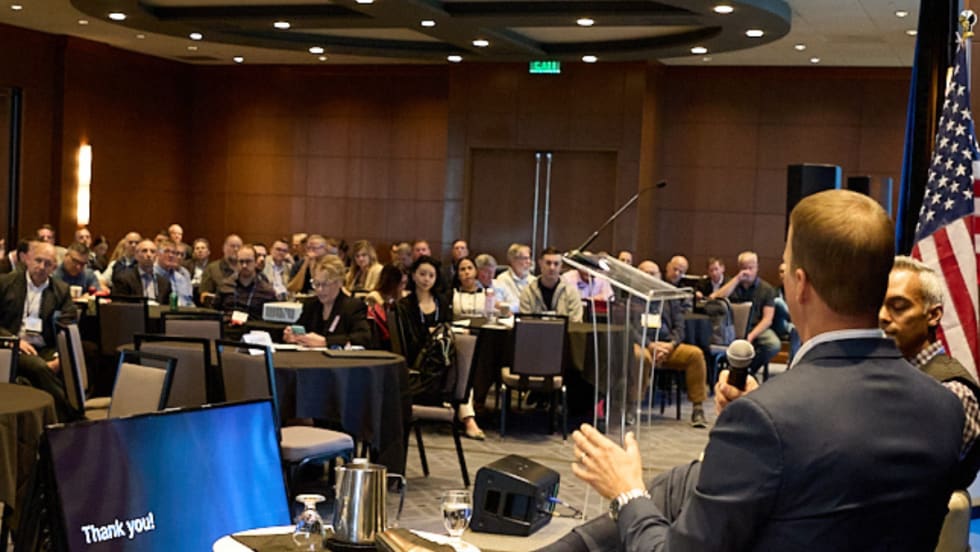
NETS Sets 2026 Fleet Safety Benchmark Conference for Indianapolis
The Sept. 15–17 program will feature fleet benchmarking data, case studies, emerging technologies, and implementation strategies while running alongside the NSC Safety Congress & Expo.
Read More →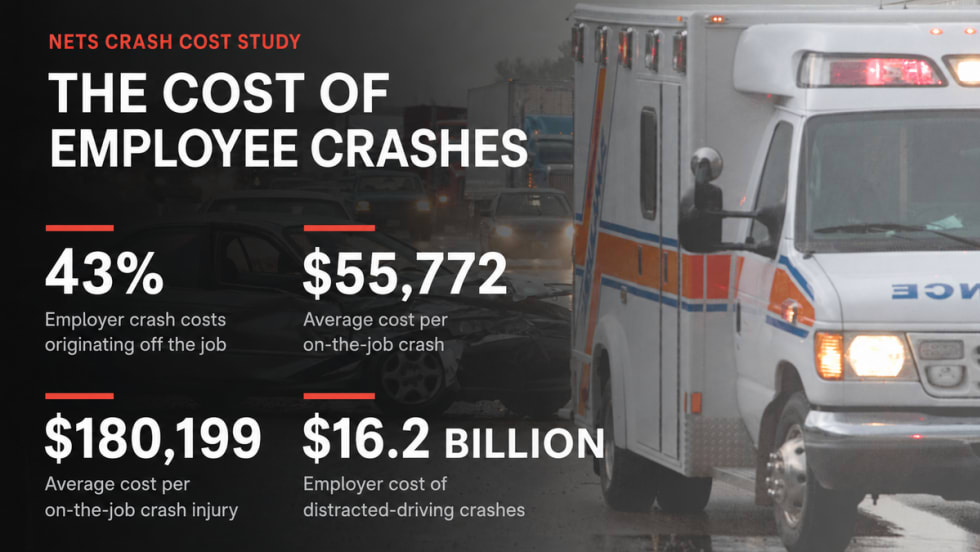
Off-the-Job Crashes Account for 43% of Employers’ $61.7 Billion Crash Burden
NETS quantifies costs dispersed across fleet, risk, HR, and other departments while providing new per-crash benchmarks for employers.
Read More →
Ram Recalls More Than 1.27 Million 1500 Pickups for Seat Belt Anchor Issue
The recall affects certain 2019-2026 Ram 1500 pickups that may have improperly attached second-row seat belt buckle anchors.
Read More →
How Better Visibility Cut Speeding Violations by 48%
Fleet leaders don't need more data, they need clearer visibility into what the data is saying. This case study explores how one utility replaced speeding-event counts with a single metric — miles driven in violation — to strengthen safety and significantly reduce speeding violations.
Read More →
Operation Safe Driver Week: Why the Industry's Oldest Safety Campaign Still Matters to Fleets
A look at how a 2007 enforcement initiative became one of the most consequential weeks on the fleet safety calendar, and what it means for your drivers in 2026.
Read More →