




Fleet Safety Tip of the Week: The Dangers of Turn Signal Neglect
Drivers neglecting to properly use their turn signals causes as many as 2 million crashes per year in the U.S., according to a study by the Society of Automotive Engineers. Here are some tips, provided by the Iowa Department of Transportation, on best practices when using turn signals.
The proper use of turn signals gives other drivers on the road – and in parking lots - time to react to your moves. But a surprising number of drivers have a cavalier attitude about the use of turn indicators, employing them inconsistently and often late.
According to a report issued in April, 2012, by the Society of Automotive Engineers (SAE), turn signal neglect causes as many as 2 million crashes per year in the U.S. The organization studied a total of 12 turning and lane-changing vehicles, and found that the neglect rate for lane changing is 48% and 25% when making turns.
With that in mind, drivers need to use their turn signals before changing lanes, turning right or left, merging into traffic and parking.
Here are some tips, provided by the Iowa Department of Transportation, on the use of turn signals. You may want to pass this list along to your drivers as a friendly reminder.
Get into the habit of signaling every time you change direction. Signal even when you do not see anyone else around. It’s easy to miss someone who needs to know what you are doing.
Signal as early as you can. Try and signal at least three seconds before you make your move. You must signal at least 100 feet before a turn if the speed limit is 45 mph or less. If the speed limit is faster than 45 mph, you must signal at least 300 feet before you turn.
Be careful that you do not signal too early. If there are streets, driveways or entrances between you and where you want to turn, wait until you have passed them to signal.
If another vehicle is about to enter the street between you and where you plan to turn, wait until you have passed it to signal your turn. If you signal earlier, the other driver may think you plan to turn where that driver is and he or she might pull into your path.
After you have made a turn or lane change, make sure your turn signal is off. After short turns, the signals may not turn off by themselves. Turn it off if it has not canceled by itself. If you do not, other drivers might think you plan to turn again.
Sure, all this advice is common sense. But for one reason or another, daydreaming and distracted drivers are often negligent turn-signal users. So it’s important to make a habit of properly using your turn signals, even in parking lots. Don’t rely on the guesswork of other motorists. Make your intentions known as much as possible.
More Safety
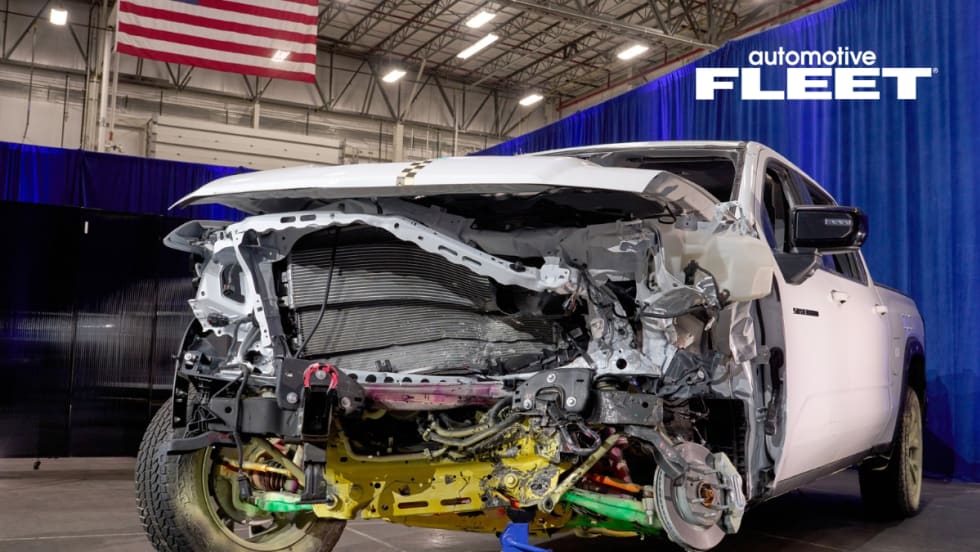
GM Conducts 92,000 Virtual Crash Tests for 2027 Chevrolet Silverado 1500
General Motors used computer simulations to evaluate crash scenarios, occupant protection and vehicle design variations before conducting physical crash tests.
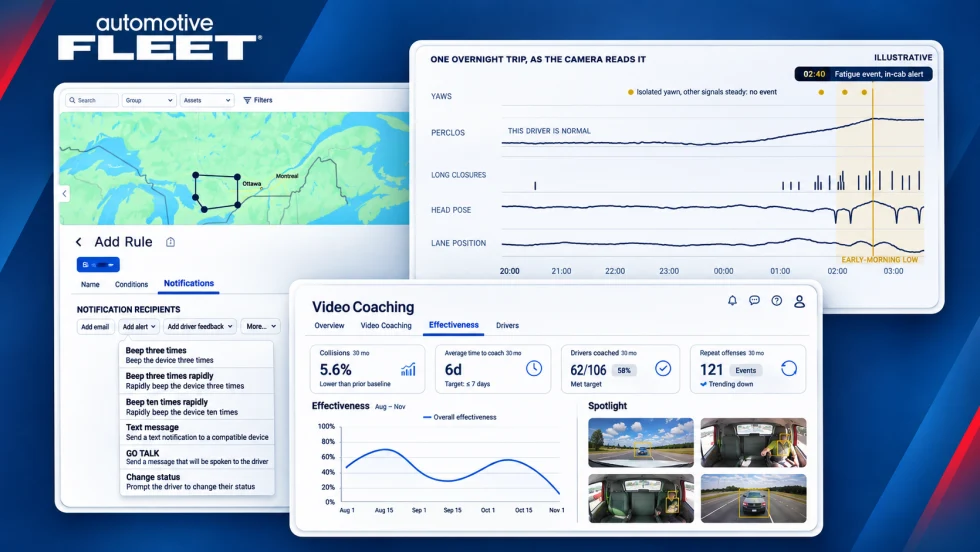
Geotab Adds AI-Powered Driver Coaching and Fatigue Detection Features
New capabilities include fatigue monitoring, two-way audio, coaching effectiveness analytics and location-based privacy controls for fleet safety management.

AAA Testing Finds Gaps in Intersection AEB Crash Prevention
Testing of four 2026 model-year vehicles found that automatic emergency braking prevented collisions in standardized intersection scenarios, but three vehicles failed to avoid crashes when another vehicle turned into their path.
Which Fleet Types Have the Highest Severe Speeding Rates?
New research from SambaSafety finds significant differences in speeding rates across fleet industries, even as nearly 90% of surveyed fleets report using telematics.
When a Cyberattack Hits Your Fleet: What Happens Next?
“You have two opportunities to test your plans: when you choose or when the threat actor chooses.” A cybersecurity expert reveals what fleet managers need to know before a cyberattack puts their operations at risk — and why the decisions made in the first moments can shape the entire recovery.
Tips for Driving Safely on Halloween Night
This video features a reminder from the Connecticut Department of Transportation (DOT) and the Connecticut Police Chiefs Association, urging drivers to prioritize safety this Halloween.
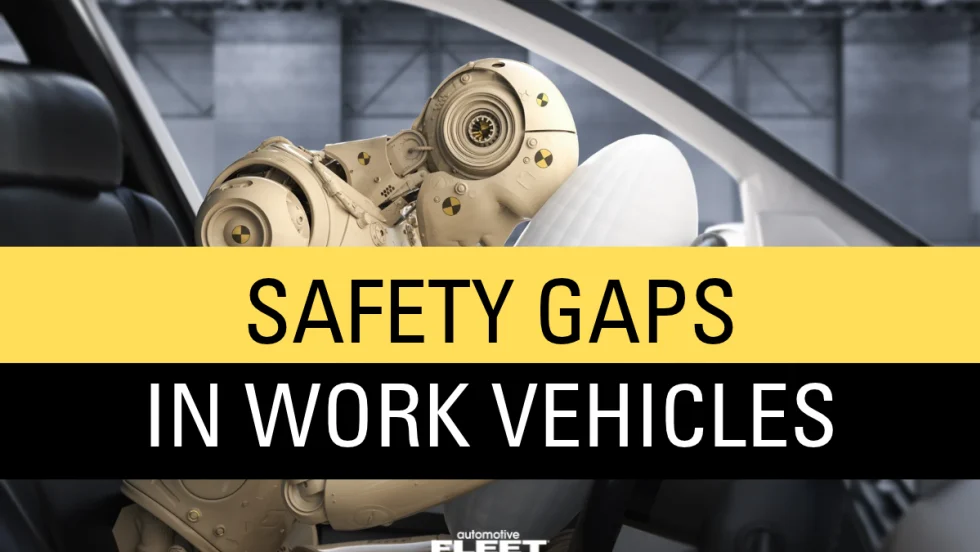
IIHS Crash Avoidance Tests Reveal Safety Gaps in Cargo Vans and Work Trucks
New IIHS crash avoidance ratings show uneven performance among cargo vans and heavy-duty pickups, with most struggling to avoid vehicle-to-vehicle collisions.
What’s Next for Fleet? Safety, AI & Industry Recognition | AF News Recap
Could your company's culture be encouraging distracted driving? This week, we're exploring how workplace expectations affect driver safety, what AI, EVs, and autonomous vehicles could mean for the future of fleet management, and how fleet professionals can strengthen their award nominations.
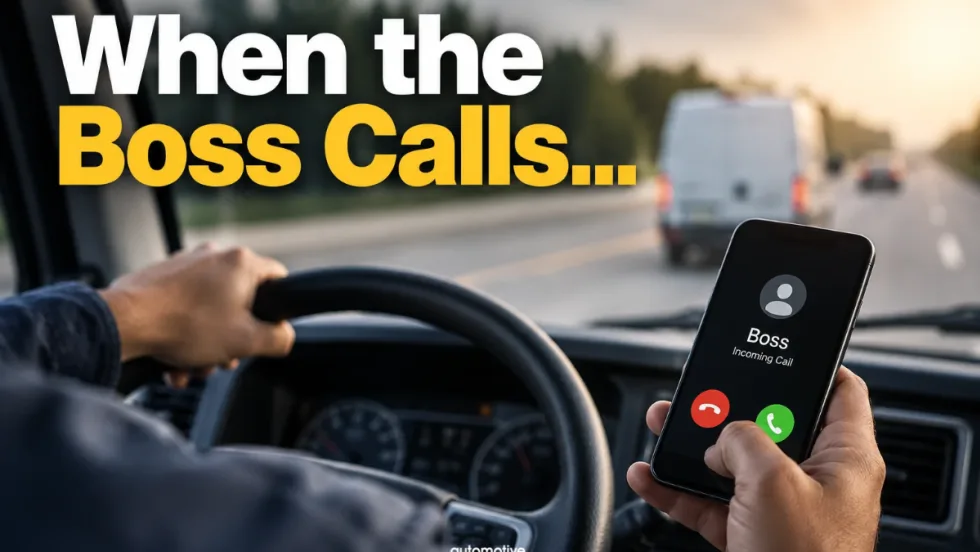
Does Your Fleet's Culture Encourage Distracted Driving?
What happens when the people responsible for enforcing safety rules are the ones setting the wrong example? The answer may reveal why some of the biggest risks to fleet drivers have little to do with what's written in the employee handbook.
Fleet Manager’s Ultimate Playbook: Navigating the New Standard in OEM Connectivity
Rising operating costs, driver safety concerns, and unplanned downtime are putting unprecedented pressure on modern fleets. Discover how fleet managers use embedded OEM connectivity and real-time vehicle data to cut TCO, prevent downtime, and protect drivers without aftermarket telematics hardware.