




Report Sheds New Light on Fatal Lexus Crash
WASHINGTON, D.C. --- The National Highway Traffic Safety Administration has released some new details about the fatal car crash that triggered Toyota's recall of 3.8 million Toyota and Lexus vehicles.
WASHINGTON, D.C. --- The National Highway Traffic Safety Administration has released some new details about the fatal car crash that triggered Toyota's recall of 3.8 million Toyota and Lexus vehicles.
The accident, which killed off-duty California Highway Patrol Officer Mark Saylor and three members of his family, took place on Highway 125 in suburban San Diego when the Lexus they were traveling in reportedly accelerated out of control. Saylor was driving a 2009 Lexus ES 350, a loaner from a car dealership servicing his own car.
The new report indicates that the Lexus' accelerator pedal design may have been a contributing factor in floor mat entrapment. "Beyond the main pivot, the lever is not hinged and has no means for relieving forces caused by interferences," investigators said.
According to the Los Angeles Times, the report states that the lower edge of the accelerator pedal was "bonded" to the rubber floor mat. The vehicle had all-weather floor mats designed for a different vehicle model -- a Lexus RX40h SUV. A photo in the report shows damage to the section of the floor mat surrounding the gas pedal.
According to the report, the mat was unsecured by the vehicle's retaining clips. One of the two clips had pulled out of the carpeting and was lying under the floor mat. The other clip was still attached to the carpeting but not hooked into the floor mat. Moreover, investigators noted that the vehicle's brake surfaces showed signs they had been worn down because of heavy braking against the full force of the Lexus engine.
Until the automaker devises a long-term remedy, Toyota is asking all owners of the recalled vehicles to remove the driver's side floor mats.
It's also important for drivers, in general, to be aware that in Toyota vehicles that use a push-button (keyless ignition) start system, turning the engine off in an emergency situation when the car is in motion isn't the same as it is when the vehicle is in park. When the car is in park, a quick push of the button turns off the engine. But if the car is actually moving, the driver must hold down the button a full three seconds to shut off the engine.
Meanwhile, the San Diego County Sheriff's Department is leading another investigation of the Saylor crash. That investigation is ongoing.
More Safety

Tips for Driving Safely on Halloween Night
This video features a reminder from the Connecticut Department of Transportation (DOT) and the Connecticut Police Chiefs Association, urging drivers to prioritize safety this Halloween.
Read More →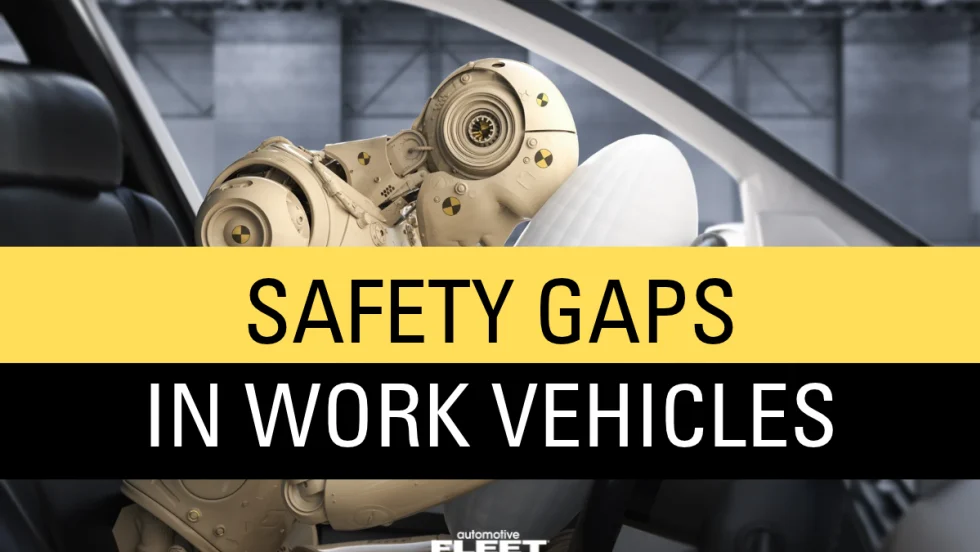
IIHS Crash Avoidance Tests Reveal Safety Gaps in Cargo Vans and Work Trucks
New crash-avoidance ratings from the Insurance Institute for Highway Safety reveal inconsistent performance among commercial vehicles, with several popular cargo vans and heavy-duty pickups struggling to avoid collisions with other vehicles and pedestrians.
Read More →
What’s Next for Fleet? Safety, AI & Industry Recognition | AF News Recap
Could your company's culture be encouraging distracted driving? This week, we're exploring how workplace expectations affect driver safety, what AI, EVs, and autonomous vehicles could mean for the future of fleet management, and how fleet professionals can strengthen their award nominations.
Read More →
Does Your Fleet's Culture Encourage Distracted Driving?
What happens when the people responsible for enforcing safety rules are the ones setting the wrong example? The answer may reveal why some of the biggest risks to fleet drivers have little to do with what's written in the employee handbook.
Read More →
Fleet Manager’s Ultimate Playbook: Navigating the New Standard in OEM Connectivity
Rising operating costs, driver safety concerns, and unplanned downtime are putting unprecedented pressure on modern fleets. Discover how fleet managers use embedded OEM connectivity and real-time vehicle data to cut TCO, prevent downtime, and protect drivers without aftermarket telematics hardware.
Read More →
From Driver Well-Being to EV Charging | AF News Recap
Mental health belongs in the fleet safety conversation. This week, we’re looking at five ways fleets can support employee well-being before a crisis, plus Holman’s expansion in Mexico, new one-day Fleet Forward passes, and why EV charging demand is outpacing infrastructure growth.
Read More →
Nexar-Nauto Merger Aims to Give Fleets Better Safety Intelligence Through Larger Driving Dataset
Stefan Heck tells Automotive Fleet that combining more than 10 billion miles of driving history with Nexar's AI models will give fleets deeper insights into driver risk and roadway conditions than either company could provide independently.
Read More →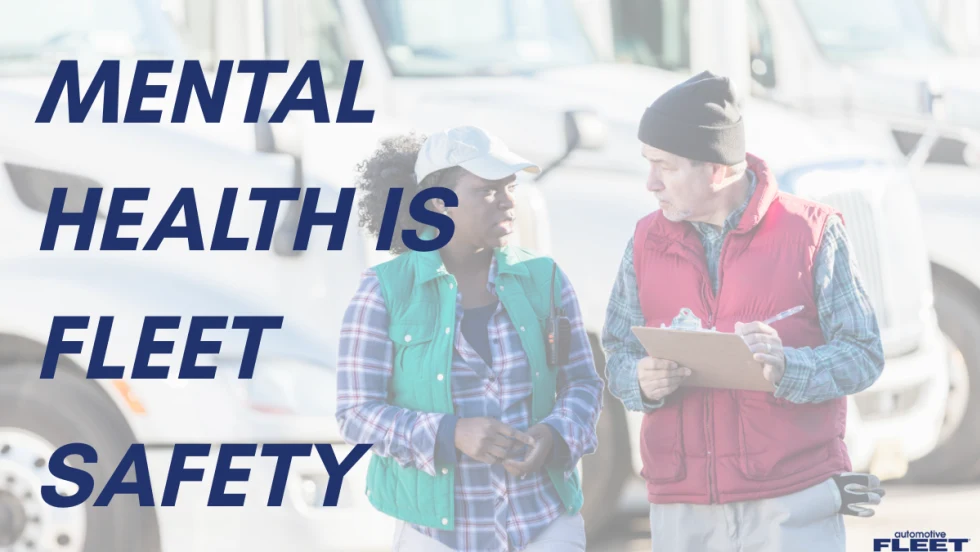
Don't Wait for a Crisis: 5 Ways to Build Mental Health Into Your Fleet Safety Program
For Suicide Prevention Month, fleet and safety leaders have an opportunity to put mental health where it belongs: at the center of workplace safety.
Read More →
How Camera Data Can Strengthen a Fleet’s Insurance Renewal
Insights from a commercial insurance carrier and a broker show how fleets can turn video telematic data, driver coaching, and improved claims results into a stronger case at insurance renewal.
Read More →
The Safest Fleets Aren’t the Ones with the Most Technology
You’ve made the telematics investment. Here’s how to capture the other half of its value and build the safest fleet on the road.
Read More →