




Subaru to Evaluate Electric Car With New York Power Authority
NEW YORK – Subaru will begin evaluating its R1e electric vehicle (EV) in the United States this summer.
NEW YORK – Subaru will begin evaluating its R1e electric vehicle (EV) in the United States this summer. The Subaru R1e will be on display at the New York International Auto Show, from Mar. 21-30 at the Jacob Javits Convention Center.
Based on the Subaru R1 minicar sold in Japan, the R1e was developed by Subaru in partnership with the Tokyo Electric Power Company, Inc. (TEPCO). The utility has been testing a fleet of R1e electric cars since 2006. As part of a U.S. test program, two of the Subaru R1e electric cars will join the New York Power Authority (NYPA) fleet.
"This joint venture with Subaru builds on the New York Power Authority's extensive involvement with clean transportation and gives us the opportunity to offer the latest in electric drive technologies to our customers," said Roger Kelley, president and chief executive officer, New York Power Authority.
The Subaru R1e employs state-of-the-art, fast-charge lithium ion battery technology that eliminates typical lithium ion battery issues of charge memory loss, allowing partial charges and quick charges that do not decrease battery life. The two-seat Subaru R1e is capable of driving at speeds up to 65 mph with a range of up to 50 miles, making it an ideal urban commuter. The Subaru R1e can be "quick-charged" to 80 percent capacity in only 15 minutes using quick-charge technology. The vehicle can be fully charged overnight (eight hours) while connected to a standard household electrical outlet. The R1e uses an AC permanent magnet synchronized motor producing 40 kW.
"Subaru's goal is to become the leading brand in the electric vehicle market," said Ikuo Mori, president, Fuji Heavy Industries Ltd. "The R1e is an example of today's cutting-edge battery technology, while the Subaru G4e Concept Car shows a glimpse into the future of electric cars."
There are currently 40 Subaru R1e vehicles in use, and Subaru parent Fuji Heavy Industries will place an additional 100 electric vehicles for test marketing in Japan in 2009. Subaru is focusing on the development of new battery technology for future power train applications. Compared with nickel metal hydride or nickel-hydrogen battery technology, lithium-ion battery technology offers a number of advantages, among them easier packaging, higher power density, and better cooling for longer life.
Service life for the high-density lithium-ion battery is estimated at 10 years and 100,000 miles. The battery pack is also designed to be easily recycled. The laminated battery packs are flat, rather than cylindrical, offering EV manufacturers wide latitude in vehicle design and packaging. The battery's basic design and composition consist of laminate, manganese, and lithium ion.
More Operations

Turning Connected Vehicle Data Into Decisions That Matter
Fleet leaders have more data than ever, but turning that data into clear, actionable decisions remains a challenge. This white paper shows how leading organizations are using connected vehicle data to improve safety, reduce costs, and optimize fleet performance. Learn how to turn insight into action across your fleet.
Read More →
Cameras, Safety and Insurance: From Reactive Claims to Real-time Prevention
Commercial auto remains one of the most challenging and costly lines of coverage for fleet operators and insurers alike. Learn more about how to effectively address these issues from Onur Aksan, Enterprise Business Development Executive, Geotab.
Read More →
Are You Tracking Your Fleet's True Total Cost of Ownership?
Bobit Business Media surveyed 190 fleet professionals and found that while most fleets are tracking costs, fragmented systems and data gaps are keeping true TCO visibility out of reach. With rising pressure to control spend in an increasingly volatile environment, the gap between what fleets think they know and what the data actually shows is wider than you might expect. See how your peers are managing costs today and where the industry still has room to improve.
Read More →
Turn Fleet Data Into Smarter Decisions
Fleet leaders have access to more operational data than ever, but disconnected systems and unclear metrics often slow decision-making instead of improving it. This article outlines five practical steps fleets can take to transform fragmented data into actionable insights that improve planning, safety, utilization, and long-term performance.
Read More →
Hybrids: Electrification Without the Challenges
For fleet managers, fuel is one of the biggest line items in the budget — and it's one hybrids can shrink without changing how your people work. Download the eBook to see the numbers, understand the technology, and get a step-by-step guide to making the switch.
Read More →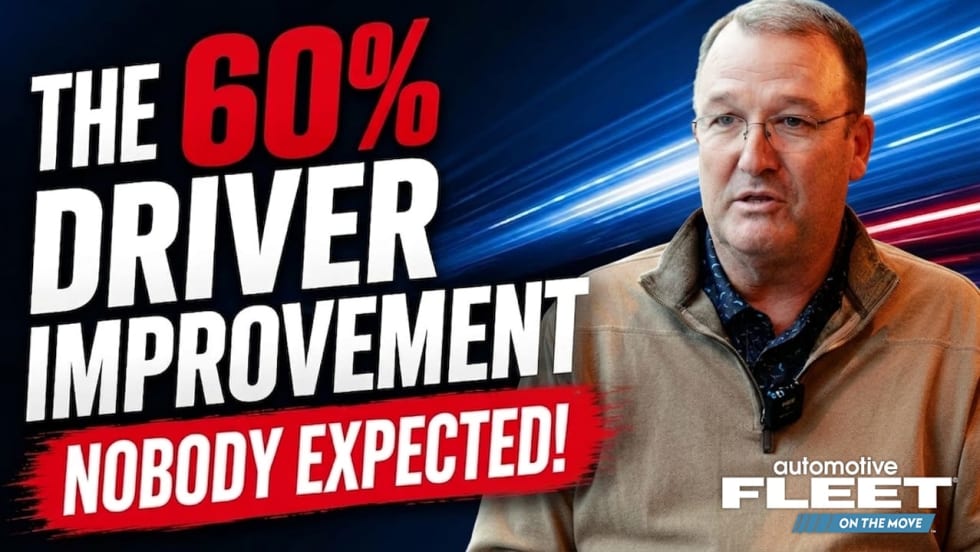
How NOV Uses Telematics to Improve Fleet Safety Across 160 Locations
James Victory of NOV discusses how the company manages fleet safety, maintenance, and telematics across more than 150 locations supporting oilfield operations throughout the U.S.
Read More →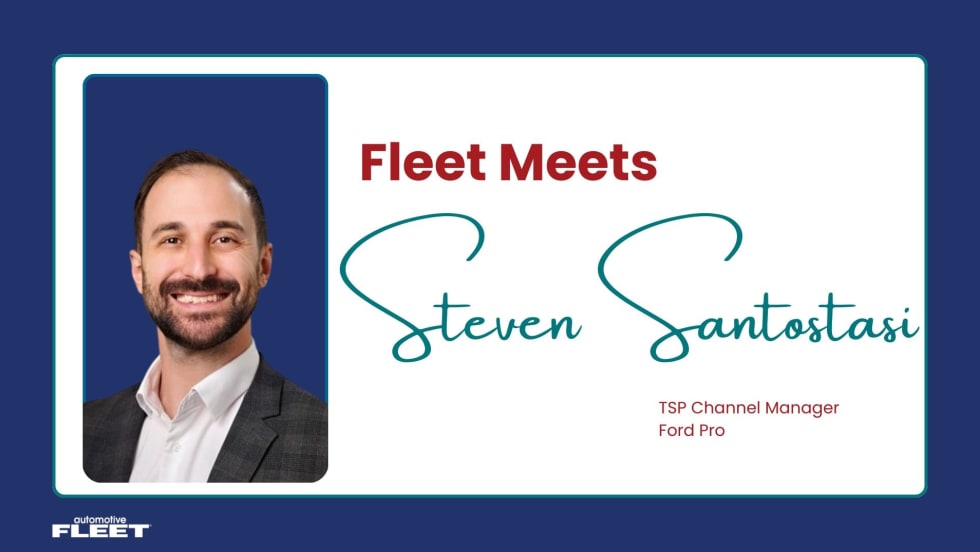
Fleet Meets: Steven Santostasi
This edition of the Fleet Meets series features Steven Santostasi, the current TSP channel manager for Ford Pro.
Read More →
Why Fleet Managers Are Replacing Departmental Vehicles with Shared Motor Pools
Departmentally assigned vehicles often create hidden costs through underutilization, poor visibility, and increased administrative burden. This white paper explores how shared motor pool strategies help fleets reduce costs, improve accountability, and optimize vehicle utilization.
Read More →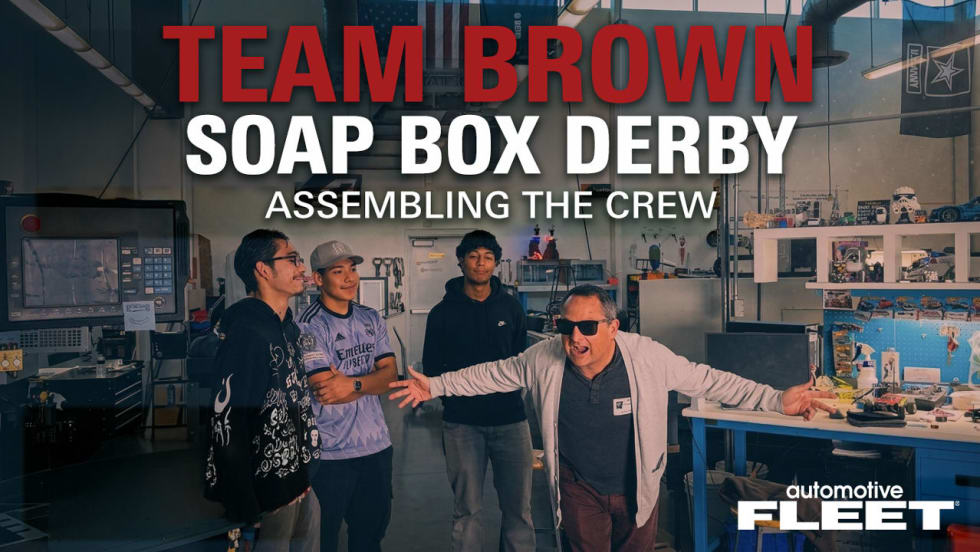
Soap Box Derby Challenge: Assembling the Crew
Meet Gabriel, Matthew, and Angel — the team helping bring this soap box derby build to life.
Read More →
BBL Fleet Acquires Velcor Leasing Corporation
BBL Fleet expanded its footprint in the fleet management industry with the acquisition of Velcor Leasing Corporation of Madison through a stock purchase agreement finalized Feb. 27, 2026.
Read More →