




NHTSA Urges Motorists to Respond to Recalls
WASHINGTON, D.C. --- The National Highway Traffic Safety Administration is urging owners of certain unrepaired Ford, Lincoln and Mercury SUVs, pickup trucks, vans and passenger cars that contain a safety defect to bring their vehicles to dealer repair shops immediately to have the cruise control switch disconnected.
WASHINGTON, D.C. --- The National Highway Traffic Safety Administration is urging owners of certain unrepaired Ford, Lincoln and Mercury SUVs, pickup trucks, vans and passenger cars that contain a safety defect to bring their vehicles to dealer repair shops immediately to have the cruise control switch disconnected.
Many dealers will perform this as a drive-through service so owners do not have to leave their vehicles at the dealership or schedule an appointment in advance.
Failure to have the switch disconnected could lead to a vehicle fire at any time, whether or not the key is in the ignition, and whether or not owners use the cruise control system, the NHTSA said.
The safety agency added that the fire danger is present regardless of the age of the vehicle, and could even occur while the vehicle is parked and unattended. Several dwelling fires have been attributed to the problem.
NHTSA said it is issuing the consumer advisory due to concerns that many owners have yet to respond to multiple safety defect recall notifications involving approximately 9.6 million registered vehicles. It said that approximately 5 million vehicles have been repaired so far, leaving some 5 million passenger cars and light trucks with the faulty switches intact, and in danger of catching fire.
Ford and NHTSA urged all owners of recalled vehicles that have not been repaired to bring their vehicles to dealers as soon as possible to have the faulty switches disconnected, as an interim safety measure. Ford is in the process of re-notifying owners of the SUVs and other light trucks concerning the importance of having the switch disconnected.
This interim fix will eliminate the risk of fire while affected Ford and Mercury owners are waiting for final repairs from the company, NHTSA said.
The involved vehicles are:
1. 1993 – 2004 F150
2. 1993 – 1999 F250 (gasoline engine)
3. 1993 – 1996 Bronco
4. 1994 – 1996 Econoline
5. 1997 – 2002 Ford Expedition
6. 1998 – 2002 Lincoln Navigator
7. 1998 – 2002 Ford Ranger
8. 1992 – 1998 Ford Crown Victoria, Mercury Grand Marquis and Lincoln Town Car
9. 1993 – 1998 Lincoln Mark VIII
10. 1993 – 1995 Ford Taurus SHO with automatic transmission
11. 1994 – Mercury Capri
12. 1998 – 2001 Ford Explorer and Mercury Mountaineer
13. 2001 – 2002 Ford Explorer Sport and Explorer Sport Trac
14. 1992 – 1993 and 1997 – 2003 Ford E-150-350 gasoline or natural gas vehicles
15. 2002 – E-550 gasoline engine vehicles
16. 1996 – 2003 E-450 gasoline or natural gas vehicles
17. 1994 – 2002 F-250 through F-550 super Duty trucks (gasoline engine)
18. 2000 – 2002 Ford Excursion (gasoline engine)
19. 2003 – F250 – F550 Super Duty, Ford Excursion
20. 1995 – 2002 Ford F53 Motor home chassis
21. 2002 – 2003 Lincoln Blackwood
More Safety
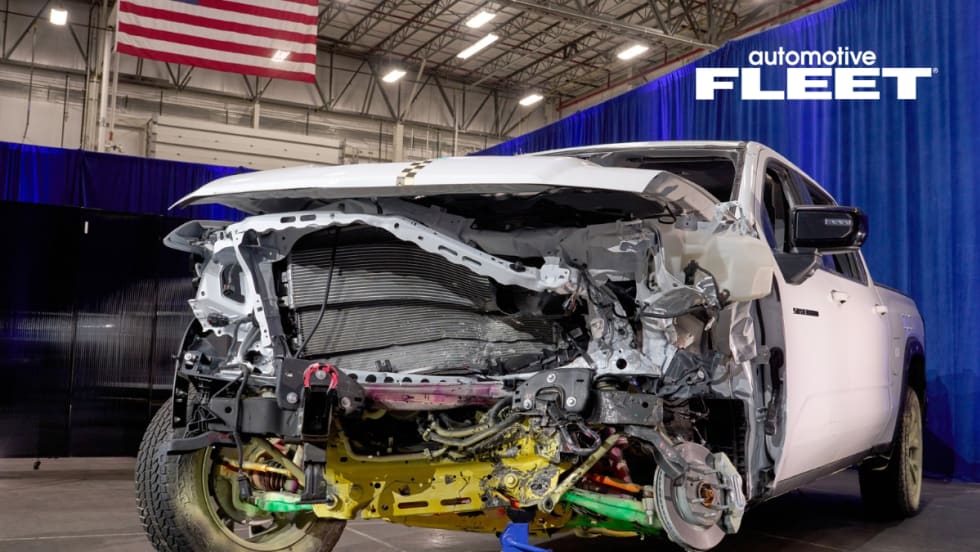
GM Conducts 92,000 Virtual Crash Tests for 2027 Chevrolet Silverado 1500
General Motors used computer simulations to evaluate crash scenarios, occupant protection and vehicle design variations before conducting physical crash tests.
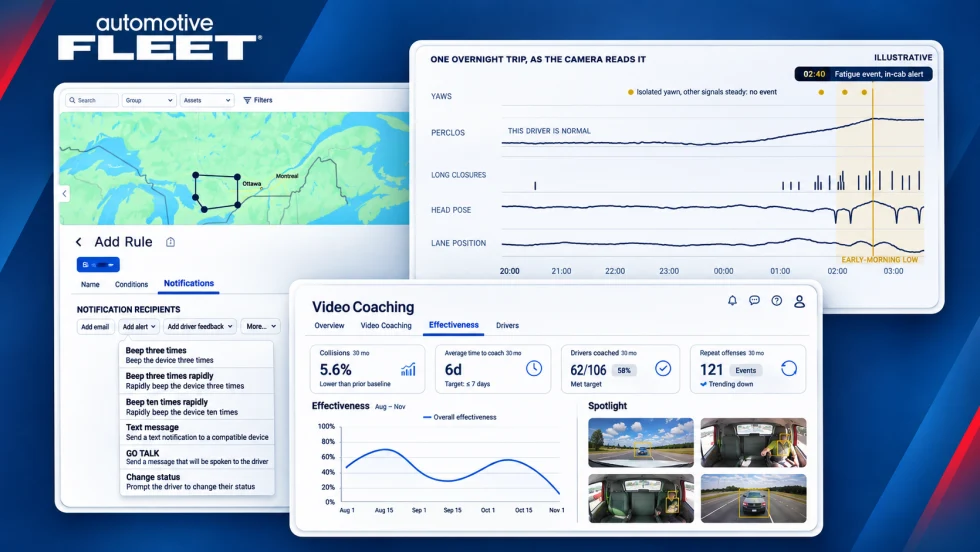
Geotab Adds AI-Powered Driver Coaching and Fatigue Detection Features
New capabilities include fatigue monitoring, two-way audio, coaching effectiveness analytics and location-based privacy controls for fleet safety management.
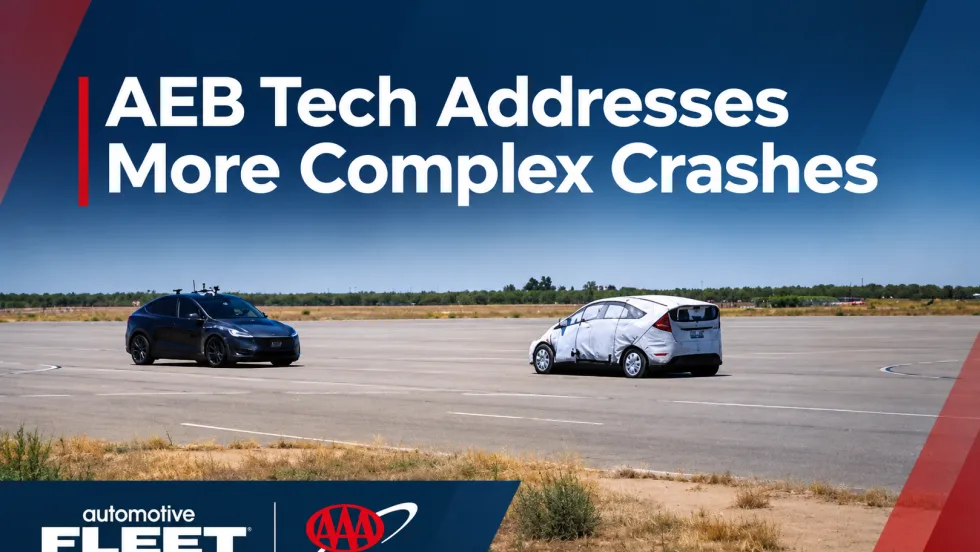
AAA Testing Finds Gaps in Intersection AEB Crash Prevention
Testing of four 2026 model-year vehicles found that automatic emergency braking prevented collisions in standardized intersection scenarios, but three vehicles failed to avoid crashes when another vehicle turned into their path.
Which Fleet Types Have the Highest Severe Speeding Rates?
New research from SambaSafety finds significant differences in speeding rates across fleet industries, even as nearly 90% of surveyed fleets report using telematics.
When a Cyberattack Hits Your Fleet: What Happens Next?
“You have two opportunities to test your plans: when you choose or when the threat actor chooses.” A cybersecurity expert reveals what fleet managers need to know before a cyberattack puts their operations at risk — and why the decisions made in the first moments can shape the entire recovery.
Tips for Driving Safely on Halloween Night
This video features a reminder from the Connecticut Department of Transportation (DOT) and the Connecticut Police Chiefs Association, urging drivers to prioritize safety this Halloween.
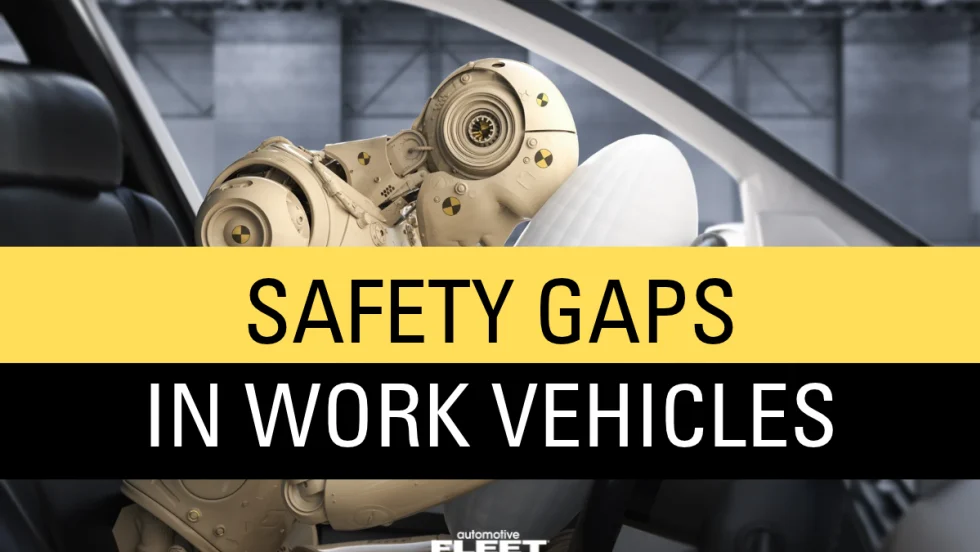
IIHS Crash Avoidance Tests Reveal Safety Gaps in Cargo Vans and Work Trucks
New IIHS crash avoidance ratings show uneven performance among cargo vans and heavy-duty pickups, with most struggling to avoid vehicle-to-vehicle collisions.
What’s Next for Fleet? Safety, AI & Industry Recognition | AF News Recap
Could your company's culture be encouraging distracted driving? This week, we're exploring how workplace expectations affect driver safety, what AI, EVs, and autonomous vehicles could mean for the future of fleet management, and how fleet professionals can strengthen their award nominations.
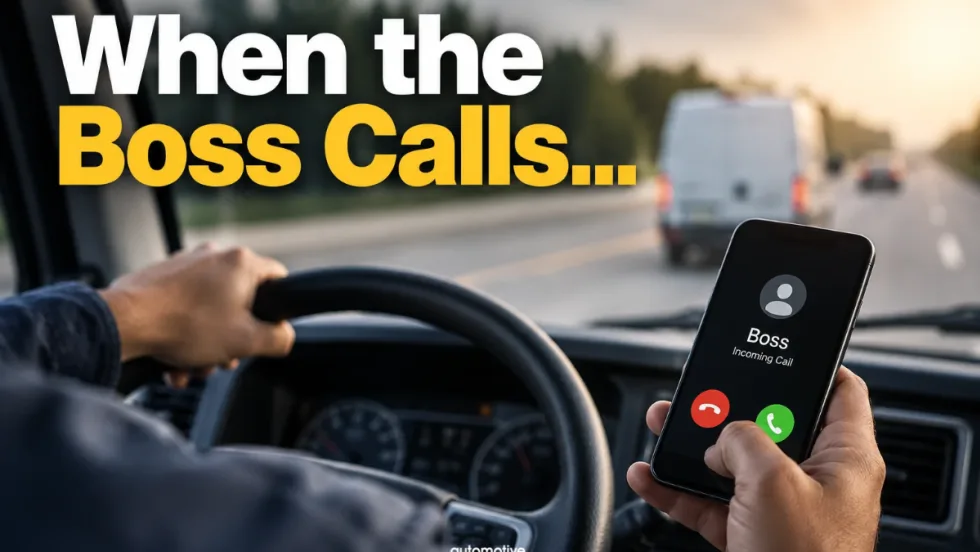
Does Your Fleet's Culture Encourage Distracted Driving?
What happens when the people responsible for enforcing safety rules are the ones setting the wrong example? The answer may reveal why some of the biggest risks to fleet drivers have little to do with what's written in the employee handbook.
Fleet Manager’s Ultimate Playbook: Navigating the New Standard in OEM Connectivity
Rising operating costs, driver safety concerns, and unplanned downtime are putting unprecedented pressure on modern fleets. Discover how fleet managers use embedded OEM connectivity and real-time vehicle data to cut TCO, prevent downtime, and protect drivers without aftermarket telematics hardware.