




8 Ways to Leverage Telematics During COVID-19
The coronavirus (COVID-19) pandemic is still very much an issue impacting vocational work truck fleets today. Work Truck reached out to experts in the telematics industry to see how fleets can leverage their telematics solutions to help keep their vehicles and drivers moving.


Fleets managers can also use existing technology to ensure drivers stay safe, and the business is operating efficiently during this time.
Photo: FOX from Pexels
The coronavirus (COVID-19) pandemic is still very much an issue impacting vocational work truck fleets today. Work Truck reached out to experts in the telematics industry to see how fleets can leverage their telematics solutions to help keep their vehicles and drivers moving.
1. Increase Driver Communication & Monitoring
Continue to focus on communication with drivers and all key stakeholders related to your fleet operation.
“We have sent out recommendations and reminders on how to save as much money as possible during these unprecedented times. The lowest hanging fruit for fleets to reduce expenses is in fuel, maintenance, and labor,” said Ryan Driscoll, VP of marketing for GPS Insight.
Telematics systems are yet another way to keep track of how drivers are doing.
“In particular, drivers who are out on roads that historically had lots of traffic now find themselves sometimes alone on the road. Fleets can see in real-time if drivers are struggling when their safety score goes down, so they may check-in to make sure they’re okay,” said Adam Kahn, president of Netradyne.
Samsara has been having lots of conversations with its customers on the front lines.
“To help maintain social distancing protocols, customers like Kerns Trucking, are ‘clocking in’ with our Driver App. Drivers are now messaging dispatch when they start their day rather than their usual punch card system to avoid unnecessary social contact,” noted Rushil Goel, VP and GM of Fleet Management at Samsara.
One creative way customers leverage a video intelligence solution, not only during the COVID-19 pandemic but also during “normal” circumstances is as a yard surveillance tool.
“The DVR used in Trimble’s VI solution is capable of continuous recording for up to 12 hours, so many companies are using the cameras on parked trucks as a way to surveil their lots,” said Jim Angel, vice president of Video Intelligence Solutions for Trimble Transportation.
2. Remote Coaching & Training
With social distancing in place, some are seeing a significant rise in fleets utilizing remote coaching functionality.
“With the ‘new normal,’ we are proud to have a robust remote coaching offering in place already, which lets coaches and drivers conduct sessions anywhere they both have access to a cellular network connection. Using a computer or mobile device, coaches and drivers can log-in from separate locations and review an event together over the phone; coaches can also let drivers independently review their event video and leave notes for coaches to review later. Staying connected with drivers is as vital as ever and strong remote capabilities mean fleets can continue to prioritize safe driving and driver support even during this pandemic,” said Michael Philippi, vice president of technology for Lytx.
Shipping and logistics company GP Transco leveraged the Samsara Driver App to onboard new drivers remotely. “Drivers have enjoyed its intuitive user experience, particularly when it comes to automated HOS and DVIR documentation,” said Goel of Samsara.
3.Handle the Economic Impact
Telematics has proven to be a key tool in helping business leaders and managers assess the impact of COVID-19 and revise their economic forecasts.
“During times of uncertainty, telematics can help leaders see trends in their business and provide a toolset to help them establish a clear path through uncertain economic times. Geotab’s telematics solution has proven to be key in supporting businesses in asset utilization, business integration, and safety. With Geotab’s fleet management platform, businesses can retune and maintain cost controls to stay agile and on top of any potential business disruptions,” said Sherry Calkins, Vice President Strategic Partners for Geotab.
When the economy is cool, telematics helps them right-size their fleets and do more with less.
“Specifically with COVID response, as local fleets practice safe service through social distancing, GPS fleet tracking enables fleet managers to plan their days down to the minute to ensure their workers can get in and out as quickly as possible, notify customers upon arrival and departure of job sites, and more. With Driver ID, for example, fleets can reduce the number of times drivers work from different trucks, which eliminates unnecessary contact with other people’s belongings and creates a paper trail of who drove what, when, and whether it was cleaned after,” said Reza Hemmati, VP of product management for Spireon.
4. Increase Fleet Efficiencies
This is a critical time for drivers and assets to operate efficiently, ensuring that essential goods are available to those in need.
“The increased demand from companies that provide key supplies, like food, medicine, and protective medical equipment, has prompted an even greater sense of urgency for real-time shipment and supply chain visibility. CalAmp’s customers are using telematics to increase efficiency and safety during the current pandemic,” said Jeff Clark, senior vice president of Product Management for CalAmp.
Driscoll of GPS Insight added that using GPS data to compare timecards to actual time worked will allow you to be more efficient with your technician’s schedules by understanding when they are remotely starting their days and confirming that they make it back safely and when.
“You’ll be able to see their routes and the amount of time spent on jobs. Containing these labor costs could have a significant impact on your ability to meet the challenges presented by the coronavirus situation,” Driscoll added.
5. Revised Routing & Navigation
For geofencing and routing, fleets are using telematics to revise routes that need change or to ensure vehicles stay within pre-determined areas.
“Additionally, with more deliveries but fewer vehicles on the road, fleets are leveraging telematics to ensure drivers are maintaining the proper speed,” said Ray Ghanbari, CTO for SmartDrive.
Verizon Connect’s team has been updating our workforce app Navigation to help truck drivers during this time.
“Navigation is a mobile device app that works with our fleet management technology and gives commercial truck drivers better and smarter routes. Our team has been updating the app with information on open truck stops and hours of operation at the state level, from departments of transportation and for specific chains (e.g., Pilot, TA) to help drivers find open stations and stops where they can rest and fill up their gas tanks Kevin Aries, head of product success for Verizon Connect.
6. Asset Tracking
In this fast-changing environment, fleet asset utilization has proven to be a vital tool in helping businesses better manage their costs and make informed decisions.
“As many drivers are taking vehicles home due to office or shop closures, fleets still need to ensure that their vehicles are used properly. By reporting on fleet utilization, fleet managers can better understand which vehicles may be underused, overused, or in downtime for maintenance or repair. From a replacement cycling standpoint, monitoring this activity will also help to keep fleets well balanced and can point out potential areas of opportunity to deploy vehicles into other areas of the business,” said Calkins of Geotab.
7. Enhanced Driver Safety
Fleets managers can also use existing technology to ensure drivers stay safe, and the business is operating efficiently during this time.
“Live maps within fleet management platforms provide managers the location of drivers and the peace of mind to know where they are, reducing the need to ‘check-in’ at the office. This can also be helpful to replay where drivers have been and who they have encountered in the event someone becomes positive for COVID-19, and contact tracing is needed,” said Aries of Verizon Connect. “Utilizing field service management solutions, fleet managers can optimize job schedules during periods of low-staffing and sick leave, or quickly adjust schedules to comply with rapidly changing regulations and health recommendations.”
Truck drivers are playing an essential role in keeping much-needed food and supplies moving during the COVID-19 pandemic.
“Telematics technology – nearly ubiquitous in heavy-duty vehicles thanks to the recent ELD mandate – is helping fleets improve safety and efficiency during the crisis in several ways,” said Jonathan Bates, Head of Global Marketing for MiX Telematics. “Electronic logging has eliminated the need for paper logs passed from person to person. Similarly, ELDs and other mobile devices/apps have enabled fleets to go entirely paperless when it comes to delivery confirmations and the like. Additionally, in-cab safety alerts (e.g., if a driver drifts into another lane) can help fatigued drivers say safe (since the FMCSA has relaxed HOS rules during the crisis).”
8. Enhance Fuel Management
While the cost at the pump is low right now, you can leverage fleet management technology to reduce those costs even more.
“A few areas you can leverage this reduction is in idle times, optimizing and monitoring the routes taken by your drivers, and monitoring how the employees are driving can allow you to reduce speeding,” said Driscoll of GPS Insight. “The COVID-19 situation could lead to employees feeling desperate, and there is an increased risk of fuel card fraud. Integrating fuel cards with GPS data can detect possible instances of fuel card fraud by tracking vehicle information as well as the amount of fuel purchased. For example, if more gallons are pumped than the vehicle can hold, someone may be using your fuel card to fuel non-company vehicles.”
Originally posted on Work Truck Online
More Telematics
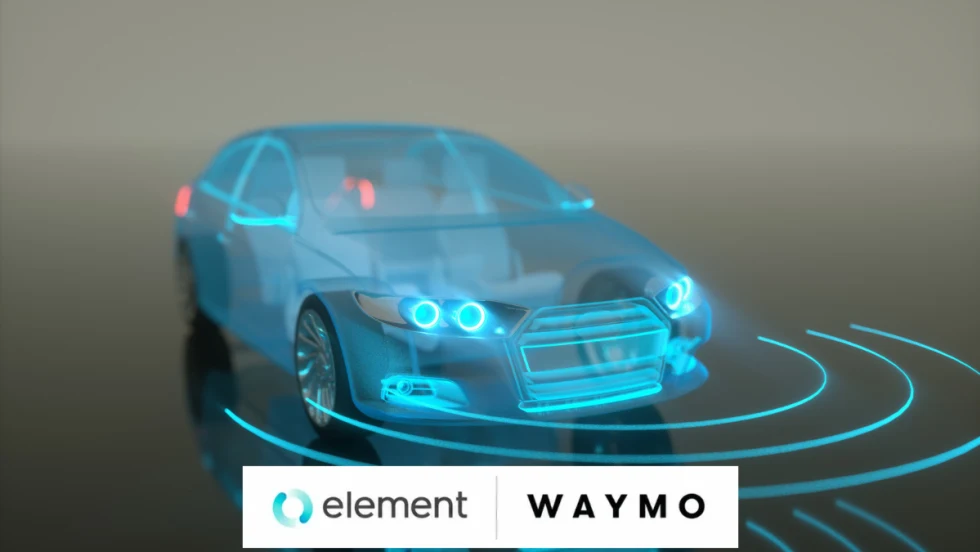
Element Expands Waymo Partnership to Support Toronto Robotaxi Fleet
As Waymo prepares to enter the Canadian market, Element Fleet Management will oversee the fleet operations supporting its planned Toronto launch. The partnership highlights the maintenance, charging, and infrastructure requirements behind operating autonomous vehicles at scale.
Read More →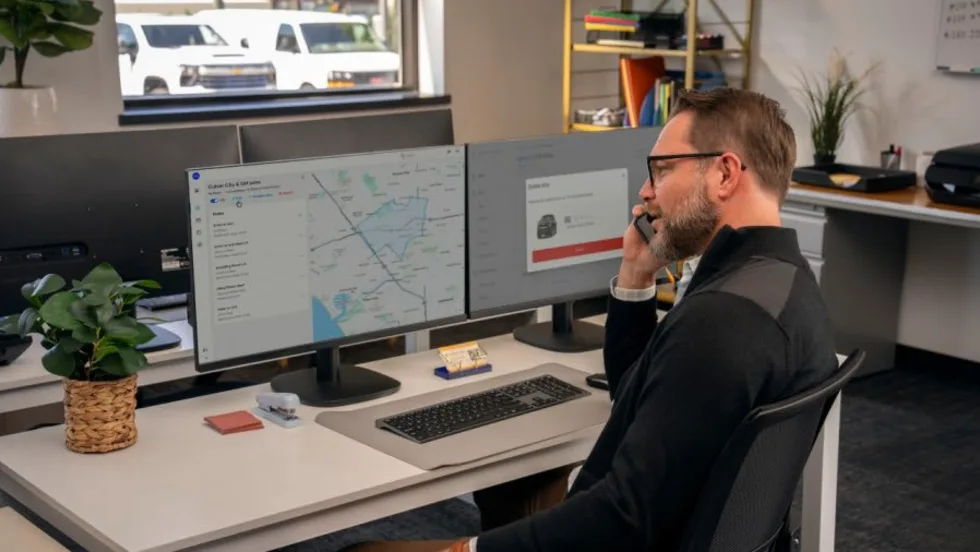
GM Launches OnStar Fleet Intelligence Platform With AI Assistant
The new platform brings vehicle data, order tracking, connected services and fleet analytics into one system, with an AI assistant that can answer fleet questions using natural-language prompts.
Read More →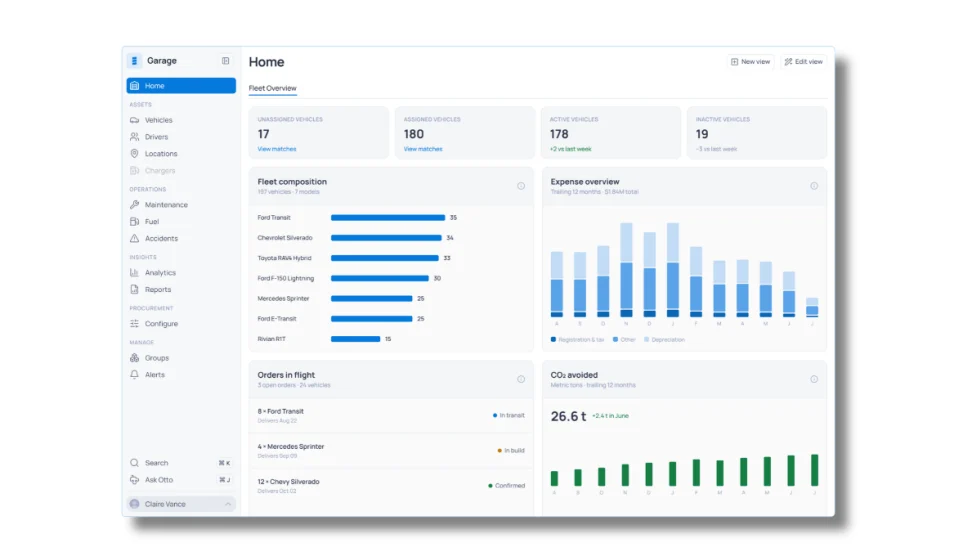
Inspiration Fleet Introduces Garage 2.0 Fleet Intelligence Platform
Fleet managers increasingly have access to data from vehicles, telematics, fuel, charging, and other systems, but those sources don't always communicate with one another. Inspiration Fleet's Garage 2.0 platform brings that information together while letting fleets keep working with different technology and service providers.
Read More →
Inside Inspiration Fleet’s New Platform for Connecting Fleet Data
Inspiration Fleet CTO Chris Getner explains how the new Garage 2.0 platform is designed to connect disparate fleet data and what that could mean for fleet managers in practice.
Read More →
Fleet Manager’s Ultimate Playbook: Navigating the New Standard in OEM Connectivity
Rising operating costs, driver safety concerns, and unplanned downtime are putting unprecedented pressure on modern fleets. Discover how fleet managers use embedded OEM connectivity and real-time vehicle data to cut TCO, prevent downtime, and protect drivers without aftermarket telematics hardware.
Read More →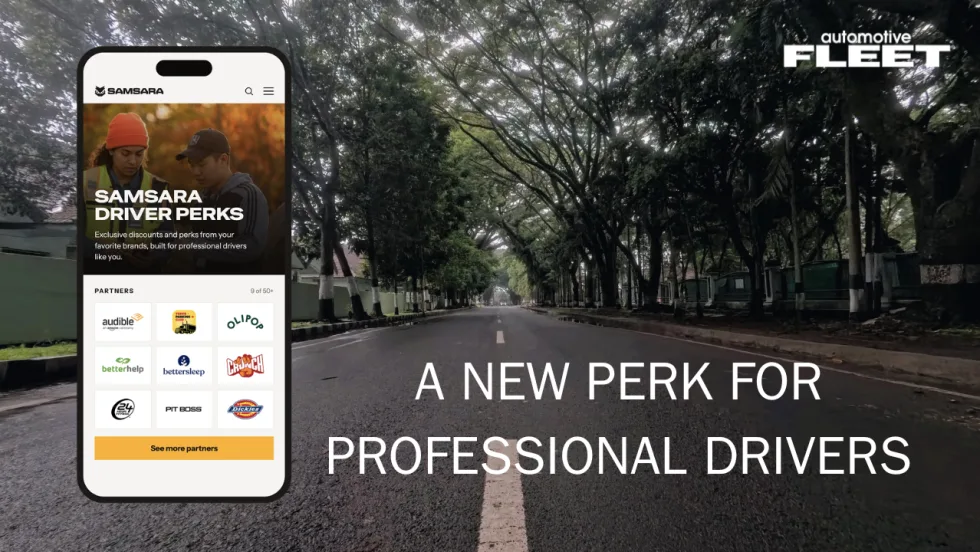
Samsara Driver Perks Adds New Benefit for Corporate Fleet Drivers
The rewards program gives eligible professional drivers access to discounts from more than 50 brands while giving fleets another way to support recruitment, retention, and the driver experience.
Read More →
Inside the Church of Jesus Christ of Latter-day Saints’ Two-Track Telematics Strategy
With 20,000 vehicles and two fundamentally different driver populations, the Church faced a fleet management problem that a single telematics program couldn't solve. How it responded offers a replicable framework for any fleet where one size doesn't fit every driver.
Read More →
How Conversational AI Can Make Fleet Tasks Easier for Drivers
While most generative AI tools help fleet managers interpret data at their desks, Connex2X is applying voice interaction to tasks behind the wheel.
Read More →
Why Fleets Are Creating Dedicated Fleet Analyst Positions
Are fleet analyst positions the new norm? Listen here to find out.
Read More →
Teletrac Navman Begins Next Chapter as Standalone Private Company
What's new with Teletrac Navman and its new owner?
Read More →