




Experts Forecast the 2019 Used Vehicle Market
Prices and volume are not expected to plummet in 2019, but industry experts seem to feel that the best-case scenario will be a plateau, and more realistically, will fall slightly.


Overall depreciation for used vehicles in 2018 registered at 12.4% for 2- to 6-year-old vehicles. Compact vans registered 5.1% depreciation while full-size vans registered 8% depreciation. Mid-size cars and compact crossovers registered 10.2% and 10.4%, respectively.
Photo via Pixabay.
The used vehicle market had a good showing in 2018 — volume was higher on a year-over-year basis, prices held well for many segments, and depreciation remained fairly low across the board. The growth that the industry saw — and that it’s seen for the past couple of years — is expected to stall in 2019.
Prices and volume are not expected to plummet in 2019, but industry experts seem to feel that the best-case scenario will be a plateau, and more realistically, will fall slightly.
“I’m being more conservative on the outlook of what wholesale values might look like in 2019,” said Tom Kontos, EVP and chief economist of ADESA Analytical Services. “I would warn on how much longer the used market can continue to show strength, until everyone that needs a car has a car. Even if sales at auction don’t slow down, at one point you’ll need to mark the vehicles down a bit before they’re sold.”
Specific segments that have shown strength, in terms or prices, in the past will begin to face pressure in 2019, he added. Trucks, SUVs and crossovers — segments that have a large presence in the fleet market — have enjoyed low depreciation and healthy used prices for the past years, but factors that have aided that success in the past are beginning to change.
More manufacturers have released truck segment vehicles, notably crossovers, in recent years. This shift in the types of vehicles being released means that the types of vehicles returning to market have changed in favor of vehicles such as crossovers and SUVs.
The effects of this change will mean that truck values will begin to drop more in line with cars — a segment that has seen comparatively steeper depreciation in the past.
“The phrase I’m using, so it doesn’t seem like prices for trucks will fall off a cliff is: ‘a movement toward parity,’” said Kontos. “The market was a little bifurcated, with the car market performing one way and the truck market performing another way. Going forward, I think the two segments will move more in unison.”
Currently, the used car market share still favors cars, but that’s changing, and the market has already begun to feel the effects of this inflection point at the start of 2019, Kontos noted.
In December 2018, fleet car prices held up well while fleet truck prices took a hit, according to Kontos.
How Fleet Segments Performed in 2018
Demand for used fleet pickups, as a whole remained healthy in 2018. However, Kontos noticed a slight disparity between pickup subsegments.
Midsize pickups stood out above all other size pickups. Depreciation for this truck segment held lower than its full-size counterpart, and Kontos believes that this could be attributed to a number of factors.
“Full-size pickups have become so large, and there is so much content to them,” said Kontos. “All of the technology in these trucks, the materials used to make the trucks, and the performance that companies strive for in these trucks have made them more and more expensive. This has opened the door for [midsize trucks] that are a little more utilitarian, and a little more manageable size- and price-wise.”
Compact vans, full-size vans, midsize cars, and compact SUVs also performed well in 2018, according to Anil Goyal, EVP of operations for Black Book.
Overall depreciation for used vehicles in 2018 registered at 12.4% for 2- to 6-year-old vehicles. Compact vans registered 5.1% depreciation, while full-size vans registered 8% depreciation. Midsize cars and compact crossovers registered 10.2% and 10.4%, respectively.
Lower Tax Returns Could Dampen Sales
Apart from the shift in market share toward truck segment in the used-vehicle market, Jonathan Smoke, chief economist at Cox Automotive, warned that issues with tax refunds caused by the shutdown could have negatively impact the used vehicle sales and prices.
“While the IRS now claims that tax refunds will still be paid despite the government shutdown, we suspect that there could be shutdown related delays in the process of forms and the issuance of refunds,” said Smoke. “When tax refunds were delayed in 2017 due to new policies to combat identity fraud, the spring bounce was delayed and heavily muted, as there was a big disconnect in the timing of wholesale supply and retail demand.”
The size of refunds that buyers will receive is also a concern. The 2019 tax season is introducing changes to withholding tables from the tax reform that occurred last year and there is a potential for tax filers to receive different tax refunds than they’ve been used to, Smoke added.
In 2018, 75% of filers received a tax refund, with an average refund of almost $2,800. In the event that fewer filers receive tax refunds — or some not receive anything at all or have to pay for the first time — the used car market could suffer.
Originally posted on Vehicle Remarketing
More Remarketing

Copart to Acquire ACV in $1.9 Billion Deal
The acquisition would expand Copart beyond its traditional salvage business into dealer-to-dealer wholesale remarketing while adding ACV’s vehicle data, inspection, and valuation technology.
Read More →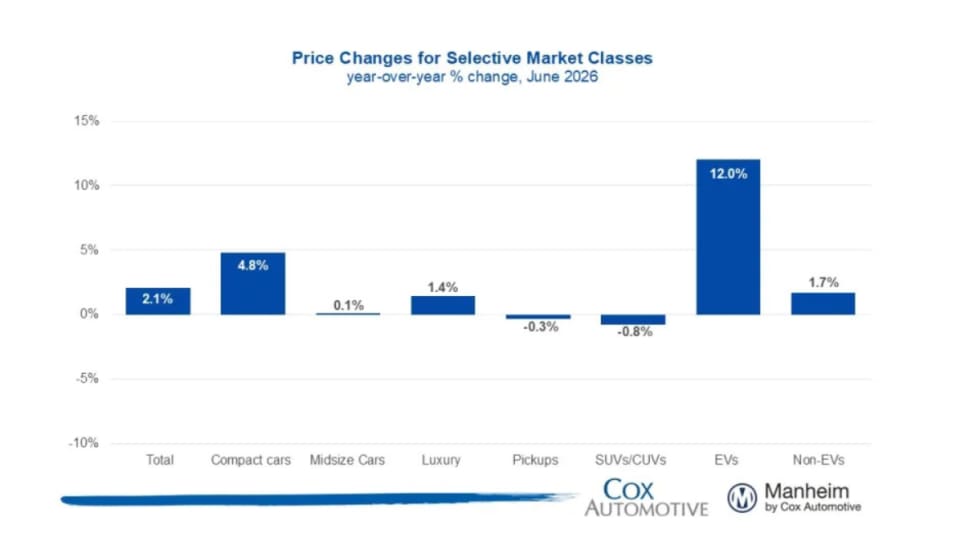
Manheim Index Shows Used-Vehicle Wholesale Prices Up 2.1% in June
The market is seeing stronger appreciation in older used vehicles this year, and the most affordable segments have been among the year’s best performers.
Read More →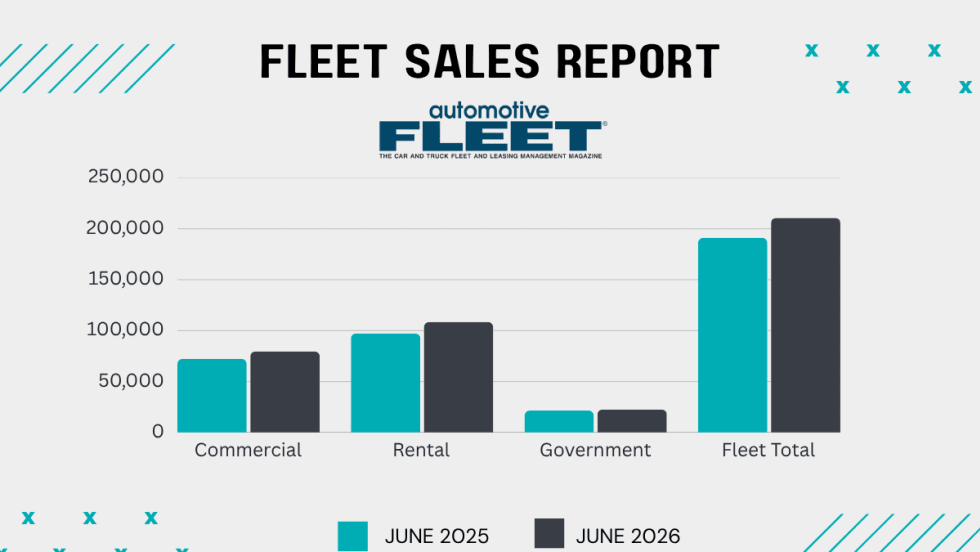
Commercial Fleet Sales Contribute To June, YTD Gains
The fleet sector has boosted its vehicle purchases at a reliable pace in the first half of this year compared with 1H 2025.
Read More →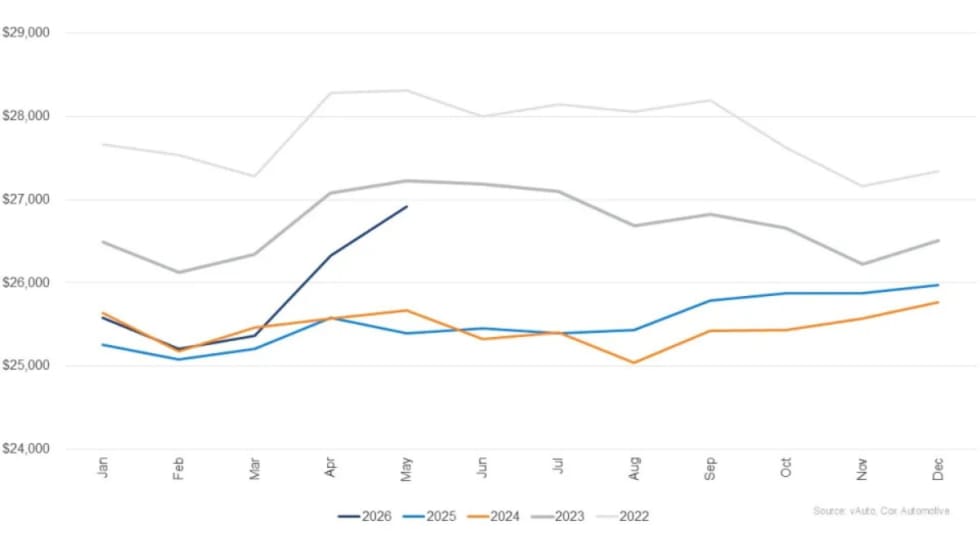
Used Vehicle Prices Climb Higher As Sales Pace Slows
The higher prices at used retail reflect strong wholesale values earlier in the spring, particularly for older, more affordable vehicles.
Read More →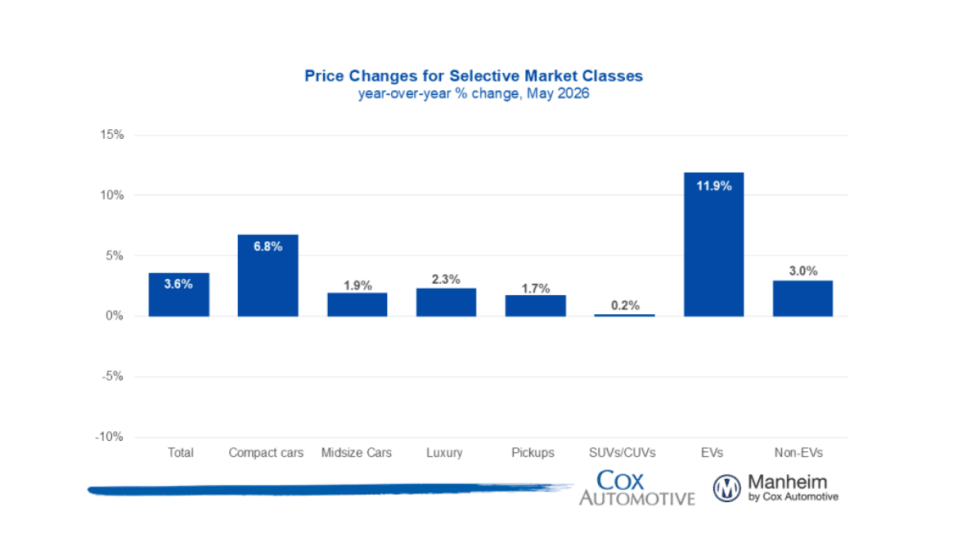
Wholesale Used Vehicle Market Sustains Moderate Rise In Values, Prices
Trends continue to normalize after a strong start to the year, as consumers contend with higher gas prices in the coming summer months.
Read More →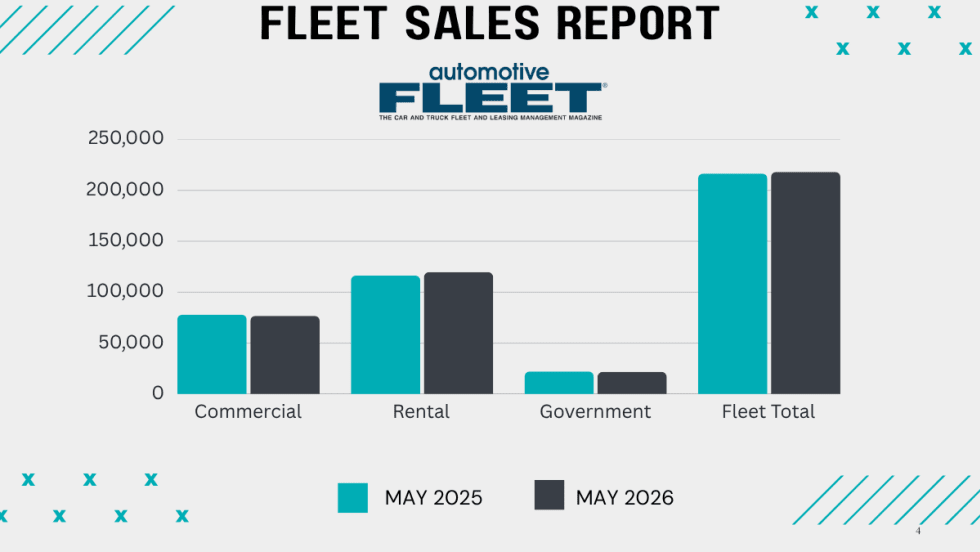
Commercial Fleet Sales Still Lead Sectors Despite May Mini Dip
The U.S. economy's continued growth and positive business investment are creating a favorable environment for fleet vehicle demand.
Read More →
How Connected Vehicle Data Is Lifting Fleet Resale Values
A vehicle health score could improve the value of fleet vehicles at remarketing. The path to a universal standard is forming, and fleets that understand the process early will be better positioned when it arrives.
Read More →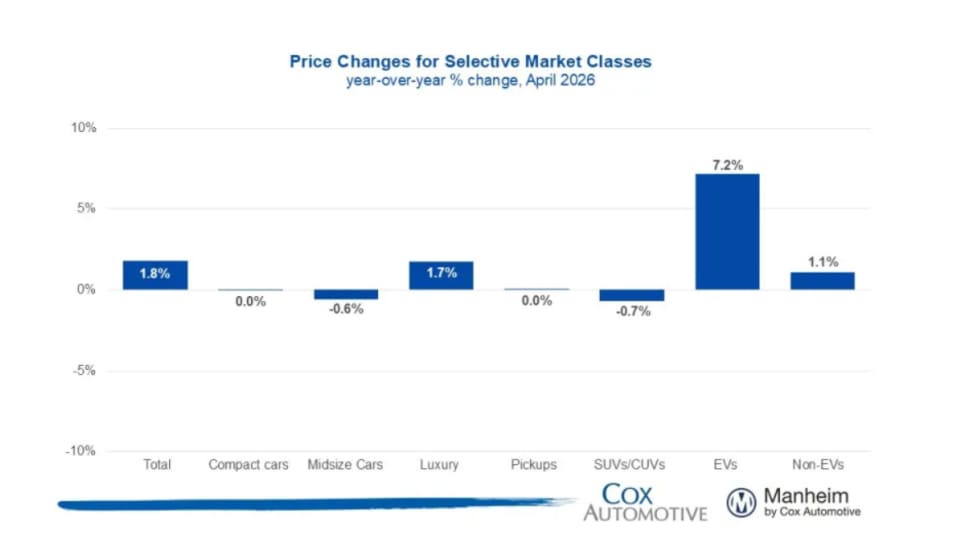
Wholesale Used Vehicle Prices Slightly Up In April
The Iranian conflict and rising gas prices inject much uncertainty into the future wholesale used vehicle markets, as higher gas prices soak up spendable income from vehicle buyers.
Read More →
CAR2026: James McKinley Wins Value Champion of the Year
James McKinley of City Rent a Truck was named the inaugural Fleet Value Champion at the CAR Conference for his data-driven approach to fleet lifecycle management and vehicle remarketing.
Read More →
CAR2026: Eric Autenrieth Wins Remarketer of the Year
Eric Autenrieth was recognized at this year's CAR Conference as the Remarketer of the Year.
Read More →