





Related: Autonomous Vehicle Coalition Forms to Educate Public
Trust in Autonomous Vehicles Takes Another Hit
About half of U.S. consumers say they don't believe autonomous vehicles will be safe, which increased slightly from last year’s 47%, according to the 2019 Deloitte Global Automotive Consumer Study.
January 16, 2019
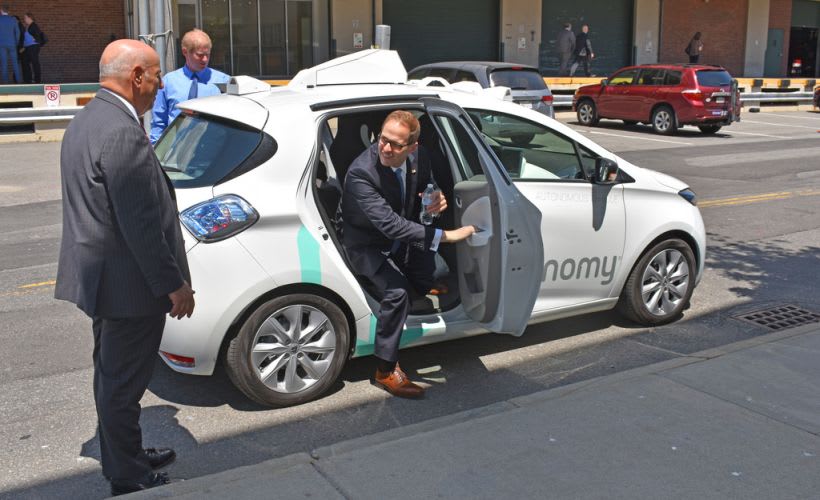
Half of the respondents to the 2019 Deloitte Global Automotive Consumer Study said they don't trust AVs to keep them safe.
Photo via Boston Metropolitan Area Planning Council/Flickr.
2 min to read
About half of U.S. consumers say they don't believe autonomous vehicles will be safe, which increased slightly from last year’s 47%, according to the 2019 Deloitte Global Automotive Consumer Study.
In 2018, consumer trust in AVs was on the rise as compared with the 74% of respondents in 2017 who voiced concerns about the safety of self-driving cars. But presently, consumer confidence appears to have reached a plateau, which study authors say could be due to a series of negative, high-profile incidents involving autonomous vehicles.
The survey also showed that consumers are wary of traditional automakers when it comes to developing safe self-driving cars. In the U.S., the number of consumers who said they trust traditional original equipment manufacturers (OEMs) to bring AV technology to market dipped to 39% in 2019 as compared to 47% in 2018.
Even in Germany where confidence in OEMs is historically strong, only 33% of those recently surveyed said they trusted OEMs to bring AVs to market as compared with 51% in 2018.
The survey findings indicate that consumers want governments to increase regulations surrounding AV deployment. In fact, 56% of U.S. consumers and an overwhelming percentage of consumers in most countries said they wanted "significant oversight."
Another noteworthy finding from the study concerns connectivity. Connected features such as traffic congestion tracking and road safety alerts are appealing universally, with 75% and 71% of U.S. consumers seeking these features, respectively.
To gather the data for the report, Deloitte surveyed over 25,000 consumers in September and October across 20 countries.
More Safety
GM Conducts 92,000 Virtual Crash Tests for 2027 Chevrolet Silverado 1500
General Motors used computer simulations to evaluate crash scenarios, occupant protection and vehicle design variations before conducting physical crash tests.
Geotab Adds AI-Powered Driver Coaching and Fatigue Detection Features
New capabilities include fatigue monitoring, two-way audio, coaching effectiveness analytics and location-based privacy controls for fleet safety management.
AAA Testing Finds Gaps in Intersection AEB Crash Prevention
Testing of four 2026 model-year vehicles found that automatic emergency braking prevented collisions in standardized intersection scenarios, but three vehicles failed to avoid crashes when another vehicle turned into their path.
Which Fleet Types Have the Highest Severe Speeding Rates?
New research from SambaSafety finds significant differences in speeding rates across fleet industries, even as nearly 90% of surveyed fleets report using telematics.

When a Cyberattack Hits Your Fleet: What Happens Next?
“You have two opportunities to test your plans: when you choose or when the threat actor chooses.” A cybersecurity expert reveals what fleet managers need to know before a cyberattack puts their operations at risk — and why the decisions made in the first moments can shape the entire recovery.
Tips for Driving Safely on Halloween Night
This video features a reminder from the Connecticut Department of Transportation (DOT) and the Connecticut Police Chiefs Association, urging drivers to prioritize safety this Halloween.
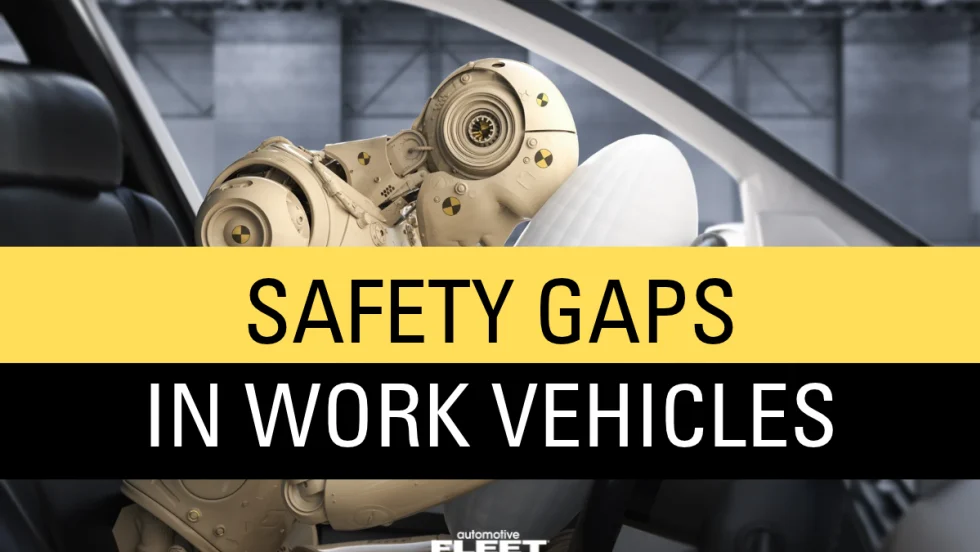
IIHS Crash Avoidance Tests Reveal Safety Gaps in Cargo Vans and Work Trucks
New IIHS crash avoidance ratings show uneven performance among cargo vans and heavy-duty pickups, with most struggling to avoid vehicle-to-vehicle collisions.
What’s Next for Fleet? Safety, AI & Industry Recognition | AF News Recap
Could your company's culture be encouraging distracted driving? This week, we're exploring how workplace expectations affect driver safety, what AI, EVs, and autonomous vehicles could mean for the future of fleet management, and how fleet professionals can strengthen their award nominations.
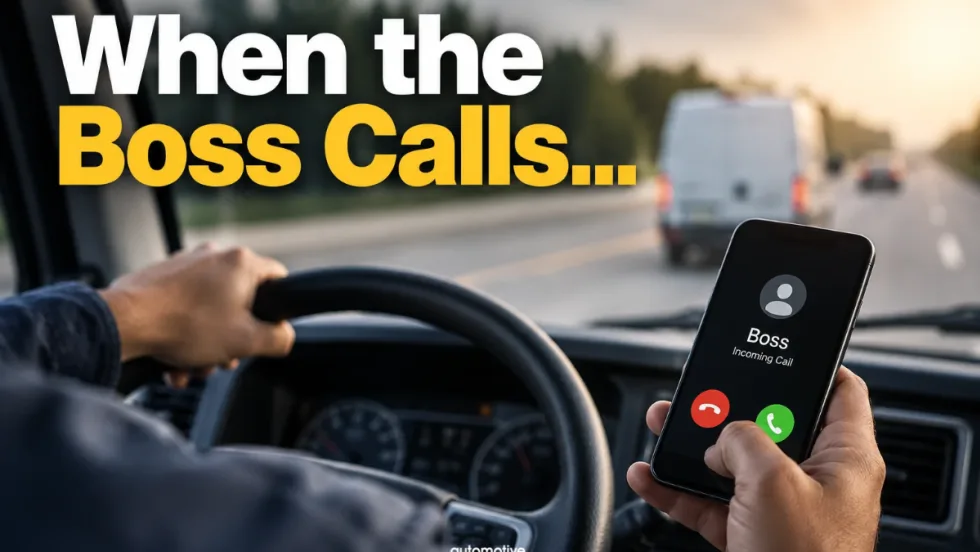
Does Your Fleet's Culture Encourage Distracted Driving?
What happens when the people responsible for enforcing safety rules are the ones setting the wrong example? The answer may reveal why some of the biggest risks to fleet drivers have little to do with what's written in the employee handbook.
Sponsored•October 1, 2026
Fleet Manager’s Ultimate Playbook: Navigating the New Standard in OEM Connectivity
Rising operating costs, driver safety concerns, and unplanned downtime are putting unprecedented pressure on modern fleets. Discover how fleet managers use embedded OEM connectivity and real-time vehicle data to cut TCO, prevent downtime, and protect drivers without aftermarket telematics hardware.