




Final VW Diesel Modification Approved
Volkswagen has gained approval from air regulators of the final modification plan for the remaining vehicles that contain software designed to defeat emissions tests, the California Air Resources Board has announced.


Volkswagen has gained final approval on modifications to close its nearly three-year diesel scandal.
Photo by Eric Gandarilla.
Volkswagen has gained approval from air regulators of the final modification plan for the remaining vehicles that contain software designed to defeat emissions tests, the California Air Resources Board has announced.
The U.S. Environmental Protection Agency has also signed off on the plan.
The final modification affects 3.0-liter Generation 1.2 diesels, and Volkswagen and Audi now need to submit their resale plans for the modified vehicles as the final step in the process that began in September of 2015, when researchers discovered the so-called defeat devices. Volkswagen eventually identified more than 500,000 VW, Audi, and Porsche vehicles in the U.S. as having the software, including more than 80,000 in California.
"This has been a long road," said Mary Nichols, the board's chair. "Mitigation of the harm from these vehicles will take years. But the process applied here is an excellent example of what can be accomplished when state and federal agencies actually work together."
In California, the vehicles released thousands of tons of excess nitrogen oxide emissions. Of the state's nearly 40 million residents, 10 million people live in areas designated by the EPA as extreme non-attainment areas with the highest air pollution. Nitrogen oxide can worsen the effects of cardiovascular disease, asthma, and other breathing problems.
Volkswagen has agreed to a financial settlement of $20 billion, which the company has mostly used to buy back affected vehicles and provide other customer compensation. California has received $423 million for mitigation of harm and VW has agreed to invest $800 million in zero emission vehicle technology in the state over the next decade. VW also paid California millions of dollars in civil penalties and compensation.
Here's a list of the vehicles in California with approved modifications:
More than 10,000 2015, 2.0-liter, Generation 3, Beetle, Beetle convertible, Golf, Golf Sportwagen, Jetta, Passat, and Audi A3
More than 6,000 2012-2014 2.0-liter, Generation 2, automatic transmission, Passat
Approximately 47,000 2009-2014 2.0-liter, Generation 1, Jetta, Jetta Sportswagen, Golf, Beetle, Beetle convertible, and Audi 3
Approximately 7,000 2013-2016, 3.0-liter, Generation 2, SUVs including VW Tourareg, Porsche Cayenne, and 2013-2015 Audi Q7
Approximately 3,000 2009-2012 3.0-liter Generation 1, SUVs including VW Touareg, and Audi Q7
Approximately 5,600 3.0-liter, Generation 2 passenger cars, including the Audi A6, A7, A8, A8L, and Q5.
Related: Volkswagen Storing 300,000 Diesels Around U.S.
More Green Fleet
EV Charging Use Is Outpacing Infrastructure Growth
ChargePoint’s 2026 Charging Forward Report points to rising charger use, higher-powered charging, commercial vehicle electrification, and energy-management technology. Here’s what fleets should know.
Read More →
Merchants Fleet Reports 290M EV Miles as Fleets Navigate Changing Electrification Market
From millions in operating savings to hundreds of millions of EV miles, Merchants Fleet’s latest report reveals what’s working and what’s changing in fleet electrification.
Read More →
The EV Breakdown Nobody's Talking About: Why Most Electric Vehicle Roadside Calls Aren't Mechanical Failures
Here's why EV breakdowns are widely misunderstood.
Read More →
ChargePoint Now Available in Energy Pass
ChargePoint and additional planned charging network integrations were added to GM's Energy Pass.
Read More →
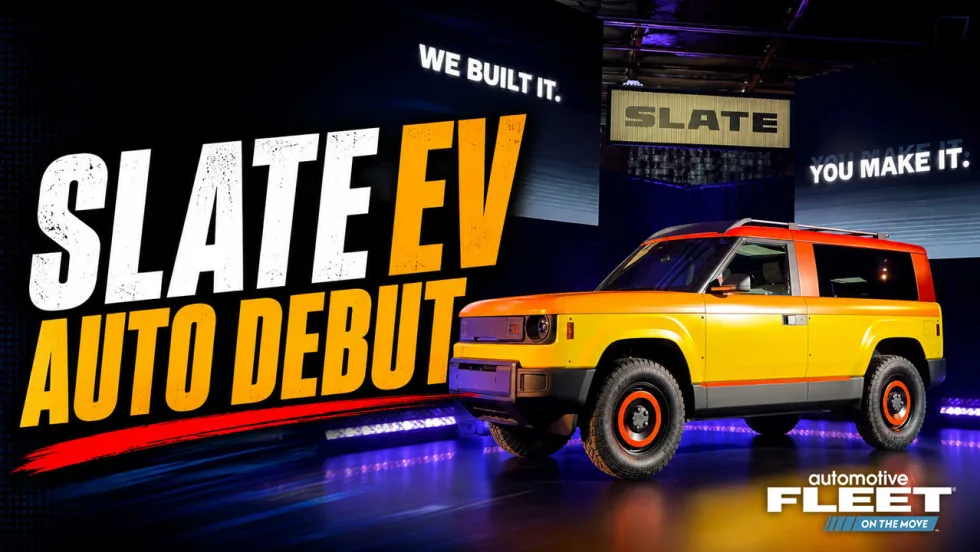
First Look: Slate Auto's Electric Fleet Pickup
Could an affordable, modular EV pickup make electrification more practical for fleets?
Read More →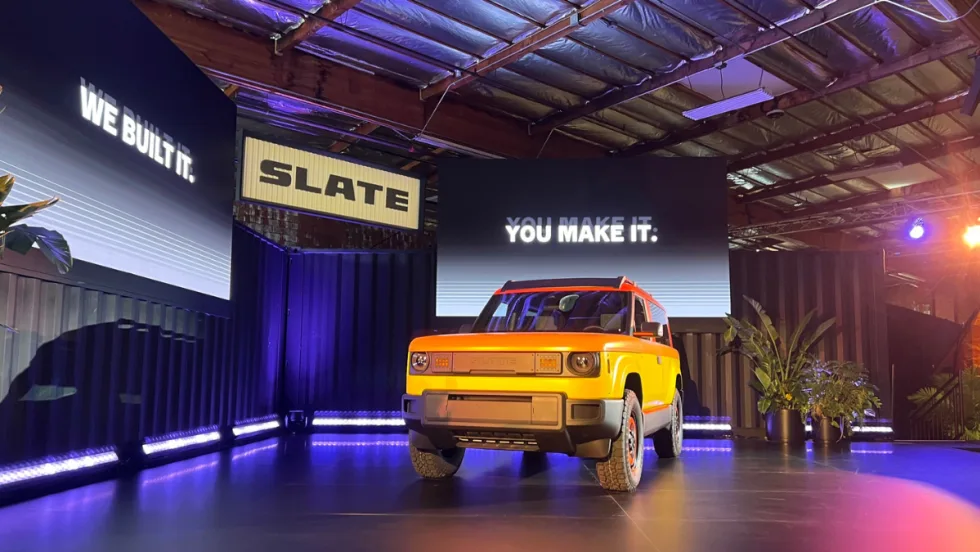
Slate Debuts Colorful, Unique EV Models
A recent media and client event, studded with electric vehicles dressed up on platforms, planted a new position for the manufacturer in the wider EV market. Fleets will find cost-saving advantages.
Read More →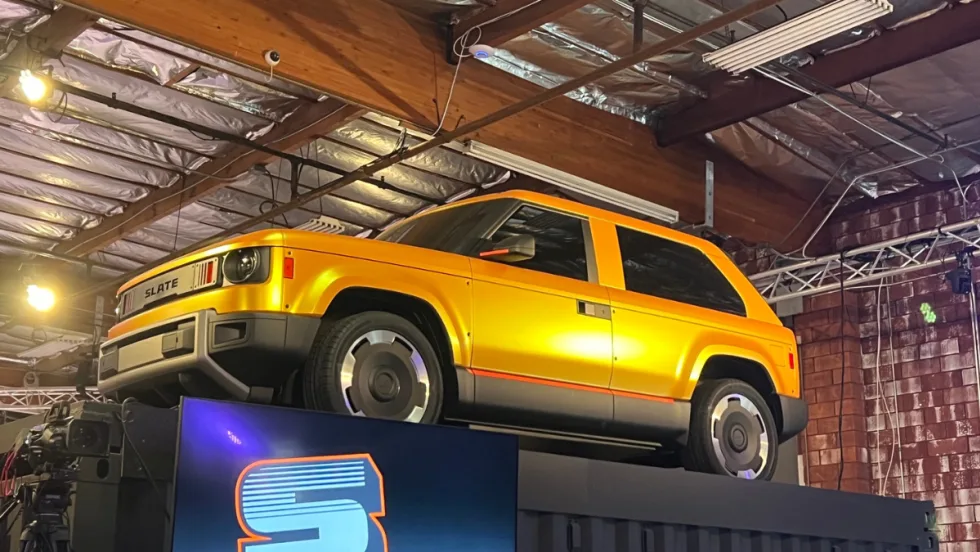
Slate Electric SUV, Pickup Switchable Model Aims For Light-Duty Fleets
Everything about this EV is counterintuitive and understated, making it stand out from the crowd.
Read More →
Inspiration Mobility Acquires Key Electrada Assets
Inspiration Mobility Group has acquired select assets of Electrada, adding the fleet electrification provider's team, technology, and charging infrastructure development capabilities to its energy management business.
Read More →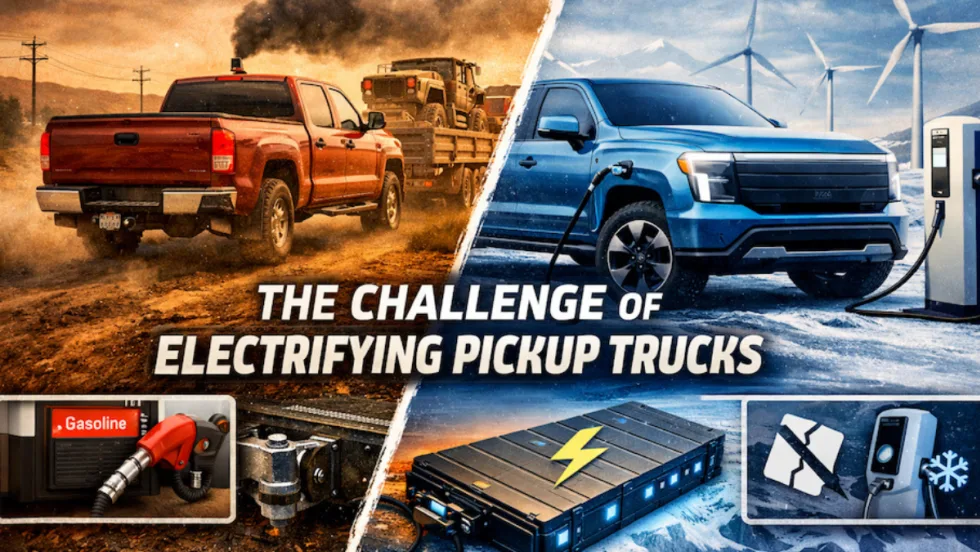
Why America’s Most Popular Vehicle is So Hard to Electrify
Turning America’s favorite workhorse electric means balancing range, payload, charging infrastructure, and price, an equation automakers are still trying to solve.
Read More →