




Related: VW Diesel Settlement Gains Final Approval From Regulators
Volkswagen Storing 300,000 Diesels Around U.S.
Volkswagen has been storing the diesel-powered vehicles it bought back from customers at 37 secure storage facilities that include a suburban Detroit football stadium, former Minnesota paper mill, and desert parking lot near Victorville, Calif., Reuters is reporting.
by Staff
March 30, 2018
Screenshot via Reuters.
1 min to read
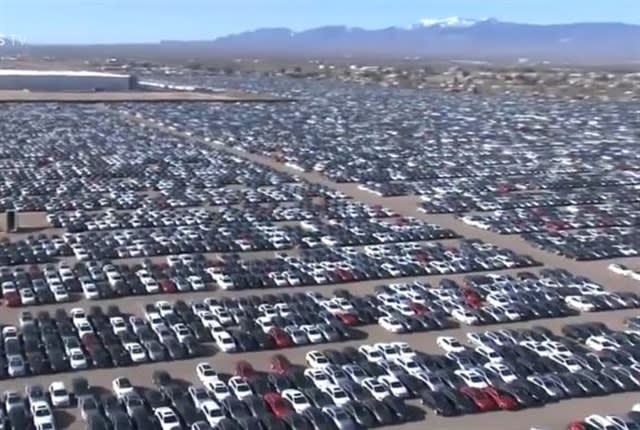
Screenshot via Reuters.
Volkswagen has been storing the diesel-powered vehicles it bought back from customers at 37 secure storage facilities that include a suburban Detroit football stadium, former Minnesota paper mill, and desert parking lot near Victorville, Calif., Reuters is reporting.
The automaker spent more than $7.4 billion to buy back about 350,000 vehicles through the middle of February.
The stored vehicles are being "routinely maintained in a manner to ensure their long-term operability and quality, so that they may be returned to commerce or exported once U.S. regulators approve appropriate emissions modifications," a company spokeswoman told Reuters.
Of the vehicles it bought back, Volkswagen has resold 13,000 and destroyed about 28,000 vehicles. The company will continue the buy-backs through June of 2019.
More Remarketing

Copart to Acquire ACV in $1.9 Billion Deal
The acquisition would expand Copart beyond its traditional salvage business into dealer-to-dealer wholesale remarketing while adding ACV’s vehicle data, inspection, and valuation technology.
Read More →
Manheim Index Shows Used-Vehicle Wholesale Prices Up 2.1% in June
The market is seeing stronger appreciation in older used vehicles this year, and the most affordable segments have been among the year’s best performers.
Read More →
Commercial Fleet Sales Contribute To June, YTD Gains
The fleet sector has boosted its vehicle purchases at a reliable pace in the first half of this year compared with 1H 2025.
Read More →
Used Vehicle Prices Climb Higher As Sales Pace Slows
The higher prices at used retail reflect strong wholesale values earlier in the spring, particularly for older, more affordable vehicles.
Read More →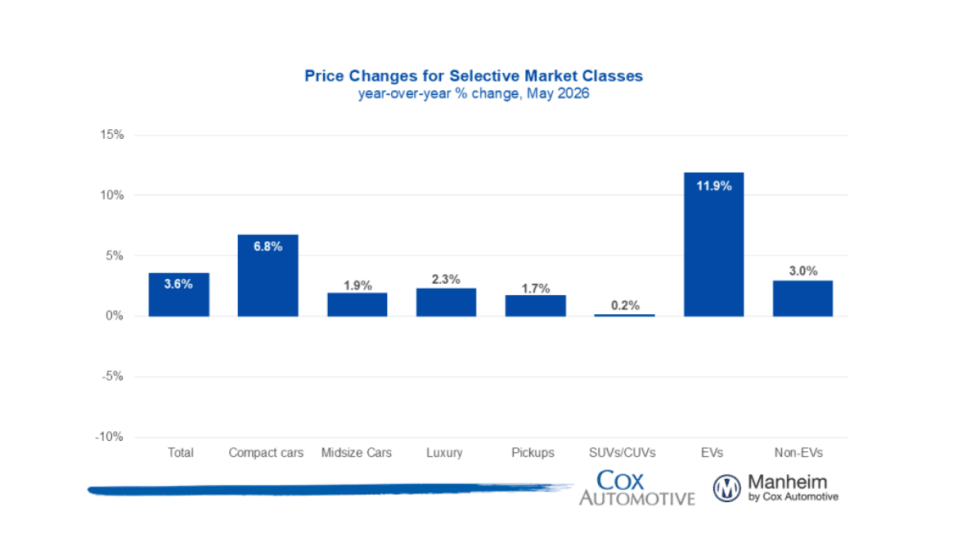
Wholesale Used Vehicle Market Sustains Moderate Rise In Values, Prices
Trends continue to normalize after a strong start to the year, as consumers contend with higher gas prices in the coming summer months.
Read More →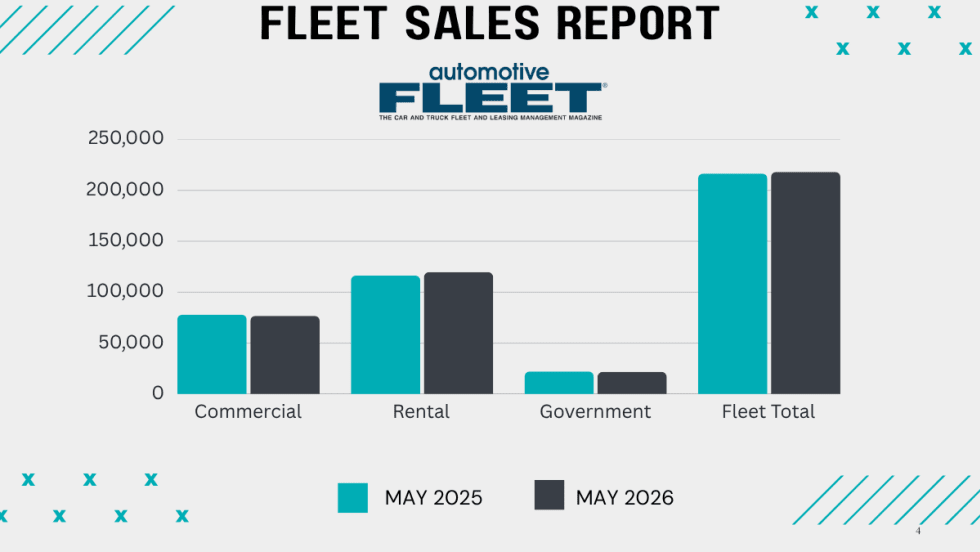
Commercial Fleet Sales Still Lead Sectors Despite May Mini Dip
The U.S. economy's continued growth and positive business investment are creating a favorable environment for fleet vehicle demand.
Read More →
How Connected Vehicle Data Is Lifting Fleet Resale Values
A vehicle health score could improve the value of fleet vehicles at remarketing. The path to a universal standard is forming, and fleets that understand the process early will be better positioned when it arrives.
Read More →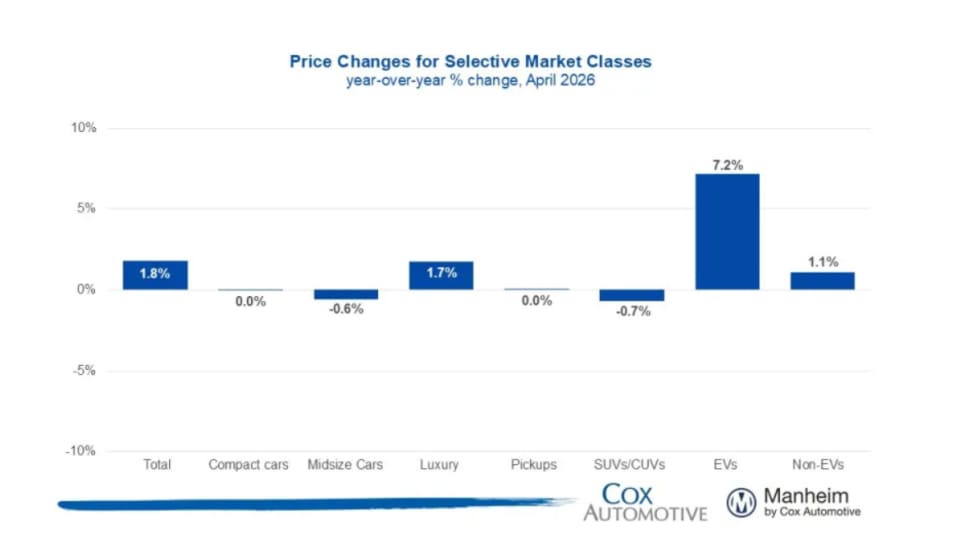
Wholesale Used Vehicle Prices Slightly Up In April
The Iranian conflict and rising gas prices inject much uncertainty into the future wholesale used vehicle markets, as higher gas prices soak up spendable income from vehicle buyers.
Read More →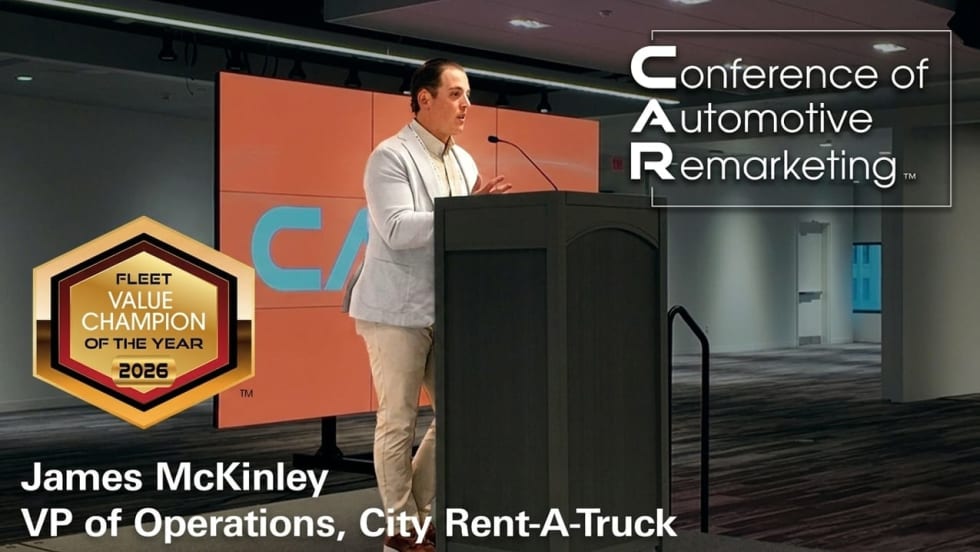
CAR2026: James McKinley Wins Value Champion of the Year
James McKinley of City Rent a Truck was named the inaugural Fleet Value Champion at the CAR Conference for his data-driven approach to fleet lifecycle management and vehicle remarketing.
Read More →
CAR2026: Eric Autenrieth Wins Remarketer of the Year
Eric Autenrieth was recognized at this year's CAR Conference as the Remarketer of the Year.
Read More →