




Geotab Embraces Disruptive Technology Trends
Geotab's leaders have positioned the company to welcome technology mega-trends that will reshape the landscape for commercial telematics in the coming years such as connected vehicles, electrification, smart cities, and data-driven analysis, co-founder Colin Sutherland told attendees of Geotab Connect earlier this month.


Geotab's co-founder Colin Sutherland told attendees of Geotab Connect that the telematics provider is well positioned for disruptive technology changes in the coming years.
Photo courtesy of Geotab.
Geotab's leaders have positioned the company to welcome technology mega-trends that will reshape the landscape for commercial telematics in the coming years such as connected vehicles, electrification, smart cities, and data-driven analysis, co-founder Colin Sutherland told attendees of Geotab Connect earlier this month.
Sutherland, who is also executive vice president of sales and marketing, told the 900 partners, resellers, and other attendees that the Canadian company recognizes that we're living in "an age of disruption." The conference marked its fourth year with a two-day event at Toronto's Westin Harbour Castle.
"We all experience that in our daily lives," Sutherland said on June 12. "There are things going on in the world that are disruptive and powered by IoT (Internet of Things). We're a data driver and we’re embracing disruption. It's OK to embrace the disruption, and it's good to be a leader in this space."
The privately-held Geotab has reached some growth milestones since the 2017 event, including 1.2 million devices connected to its platform and a predicted $250 million in top-line revenue for the year. Geotab has seen growth come from its value-added reseller network, the electronic logging device mandate, and partnerships with manufacturers such as Volvo, Mack, and Ford.
Commercial fleets continue to purchase telematics hardware and cloud-based software from Geotab for two main reasons – increasing productivity and minimizing damage to lives and property, said Neil Cawse, Geotab's chief executive officer.
"Telematics is changing the way fleets run," Cawse said. "Our product reduces the likelihood of an accident by 30%. One in 220 accidents involves a fatality, so 65 people are walking around this year because of the Geotab product. "
Geotab leaders say they’re ready for several challenges in the years ahead around manufacturer concerns about vehicle cybersecurity, demands for greater data privacy — especially in Europe with the General Data Protection Regulation (GDPR) that passed in late May — and robust operational data from electrified vehicles. These topics were among those from the event's wide-ranging presentations and panels about the evolution of the telematics industry.
"Telematics as an industry has finally transformed from focus solely on driver behavior solutions to driving operations and supply chain solutions that not only drive cost savings but also top line revenue," said Kimberly Clark, Element Fleet Management vice president of connected solutions product and sales support.
"New optimization solutions are creating dynamic tools, allowing the flexibility needed in operations for scheduling and real-time route changes and planning," Clark said. "Integration into CRM systems creates new opportunities for sales fleets to explore connectivity solutions to improve effectiveness analytics. Big data analytics is harnessing the power of vehicle data plus other fleet data to find answers to tough business questions that are not able to be answered through traditional analytical methods."
Geotab is positioning itself for what its leaders see as a rising tide of electrified vehicle adoption among commercial and government fleets. The company announced it had acquired FleetCarma, which has been helping primarily utility fleets manage battery-electric and plug-in hybrid vehicles since 2007.
Several Geotab subject-matter experts discussed the company's "neutral vehicle" proposal that would allow third-party app development of vehicles rather than private networks controlled by the manufacturers. In May, the company added a privacy mode to its data collection protocol.
To address a movement toward smart cities in which municipalities have begun planning and implementing strategies to improve transportation in their jurisdiction, Geotab launched a data website as a resource in that effort.
"The future of telematics will require the ability to read and respond to electric vehicles and the electric charging infrastructure," said Norma Havens, co-national sales manager with reseller USA Fleet Solutions. "That is a key step to the next phase of A.I. integration into vehicles. The ability to use the data to affect change within a fleet operations and company- or agency-wide will open up opportunities we cannot even imagine today."
Related: Ford Establishes Fleet Vehicle Data Unit
More Telematics
Element Expands Waymo Partnership to Support Toronto Robotaxi Fleet
As Waymo prepares to enter the Canadian market, Element Fleet Management will oversee the fleet operations supporting its planned Toronto launch. The partnership highlights the maintenance, charging, and infrastructure requirements behind operating autonomous vehicles at scale.
Read More →
GM Launches OnStar Fleet Intelligence Platform With AI Assistant
The new platform brings vehicle data, order tracking, connected services and fleet analytics into one system, with an AI assistant that can answer fleet questions using natural-language prompts.
Read More →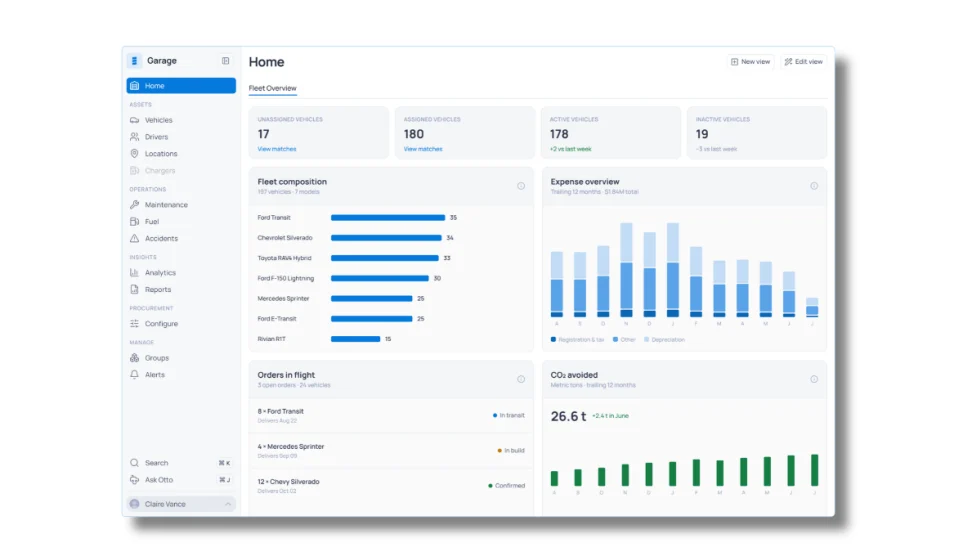
Inspiration Fleet Introduces Garage 2.0 Fleet Intelligence Platform
Fleet managers increasingly have access to data from vehicles, telematics, fuel, charging, and other systems, but those sources don't always communicate with one another. Inspiration Fleet's Garage 2.0 platform brings that information together while letting fleets keep working with different technology and service providers.
Read More →
Inside Inspiration Fleet’s New Platform for Connecting Fleet Data
Inspiration Fleet CTO Chris Getner explains how the new Garage 2.0 platform is designed to connect disparate fleet data and what that could mean for fleet managers in practice.
Read More →
Fleet Manager’s Ultimate Playbook: Navigating the New Standard in OEM Connectivity
Rising operating costs, driver safety concerns, and unplanned downtime are putting unprecedented pressure on modern fleets. Discover how fleet managers use embedded OEM connectivity and real-time vehicle data to cut TCO, prevent downtime, and protect drivers without aftermarket telematics hardware.
Read More →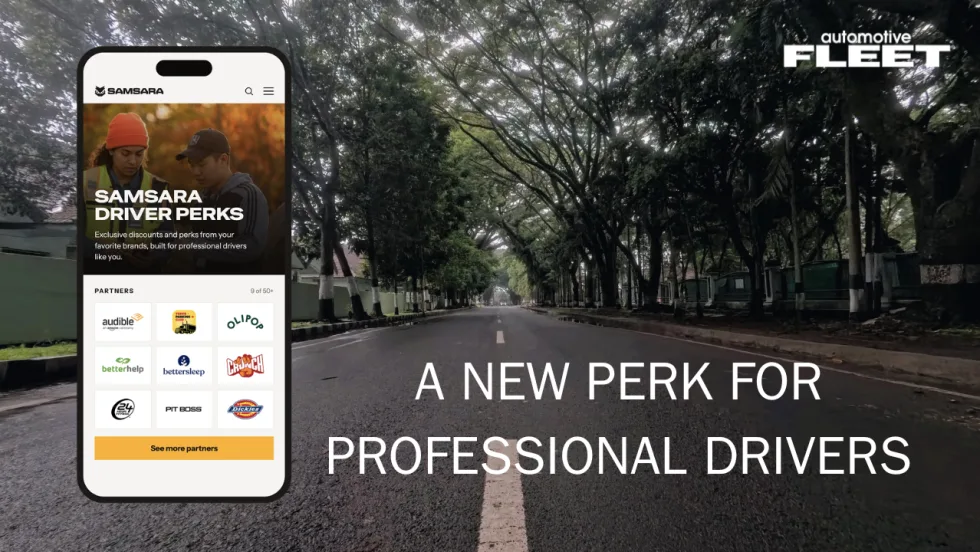
Samsara Driver Perks Adds New Benefit for Corporate Fleet Drivers
The rewards program gives eligible professional drivers access to discounts from more than 50 brands while giving fleets another way to support recruitment, retention, and the driver experience.
Read More →
Inside the Church of Jesus Christ of Latter-day Saints’ Two-Track Telematics Strategy
With 20,000 vehicles and two fundamentally different driver populations, the Church faced a fleet management problem that a single telematics program couldn't solve. How it responded offers a replicable framework for any fleet where one size doesn't fit every driver.
Read More →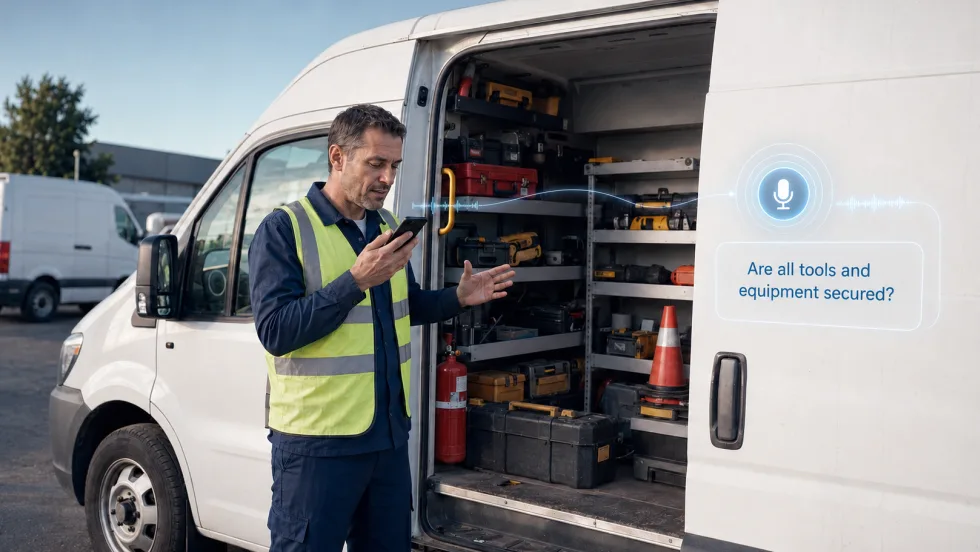
How Conversational AI Can Make Fleet Tasks Easier for Drivers
While most generative AI tools help fleet managers interpret data at their desks, Connex2X is applying voice interaction to tasks behind the wheel.
Read More →
Why Fleets Are Creating Dedicated Fleet Analyst Positions
Are fleet analyst positions the new norm? Listen here to find out.
Read More →
Teletrac Navman Begins Next Chapter as Standalone Private Company
What's new with Teletrac Navman and its new owner?
Read More →