




Chevrolet Silverado 1500 Enters Next Generation
The next-generation Chevrolet Silverado is slated to release later this year. General Motors has placed a big emphasis on the needs of its fleet customers for this next-generation truck.

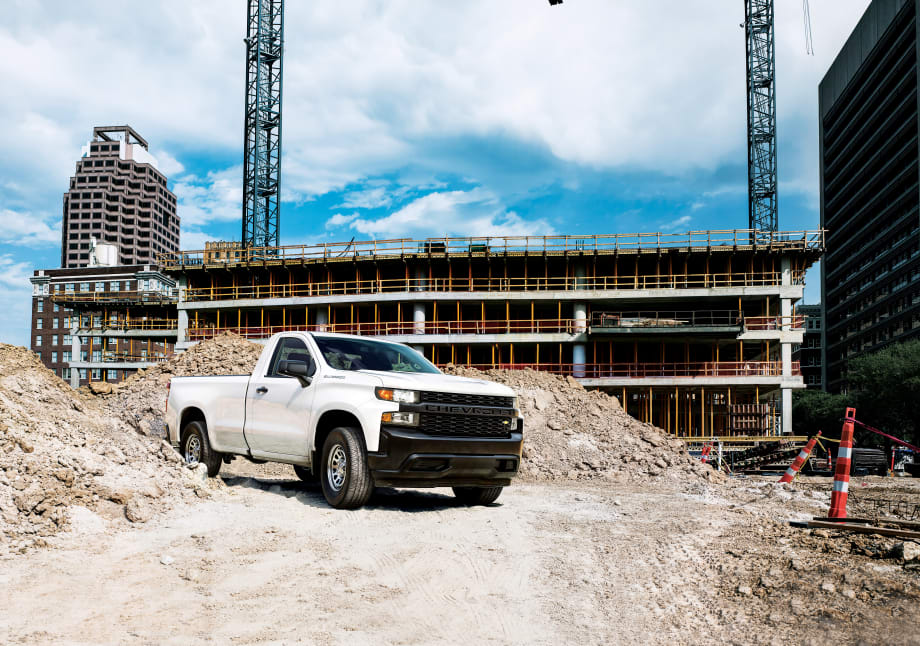
Photo of the 2019 Chevrolet Silverado courtesy of GM.
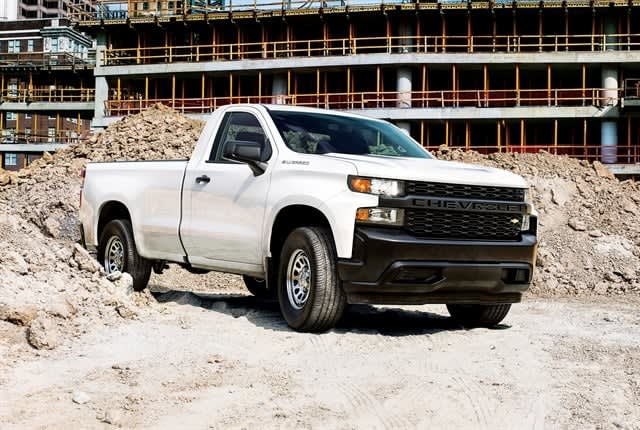
Photo of the 2019 Chevrolet Silverado courtesy of GM.
The newest-generation 2019 Chevrolet Silverado will enter a truck market later this year that has grown at a healthy clip in the past few years. The new truck’s introduction will also follow a year where GM grew fleet sales by 11% year-over-year, driven in large part by the success of its pickups.
“The light-duty Silverado is all-new. Sometimes we do major redesigns when we refresh certain aspects of the vehicle, but this one is all new," said John Schwegman, U.S. director of commercial product for GM. "Our focus on this new truck is on how we’ve differentiated it from the older model."
General Motors had various aspects of the Silverado that it wanted to address in the next generation of the vehicle. While many of the truck’s final specifications have yet to be finalized, the main takeaway that Schwegman wanted to share was that GM has listened to feedback — both from retail and fleet customers — and that’s what they’ll be delivering with the release of the 2019 Silverado will be an improvement over an already successful vehicle.
The all-new Silverado will be available in eight trims — WT, Custom, Custom Trail Boss, LT, RST, LT Trail Boss, LTZ, and High Country — with six engine and transmission combinations. Examples of these engines are an all-new Duramax 3.0-liter inline-six turbo-diesel engine, a new 5.3-liter V-8 engine, and a new 6.2-liter V-8.
These engines will feature Dynamic Fuel Management that will actively shut off cylinders depending on immediate needs to optimize fuel economy, according to GM. The 3.0-liter diesel and 6.2-liter engines will be paired with a new Hydra-Matic 10-speed automatic transmission with start-stop technology meant to boost fuel efficiency.
GM Fleet Sounding Board's Feedback
For years the company has been gathering feedback from members of its fleet customer sounding board — which consists of more than 17 of the largest national and global fleets — on what they wanted out from an all-new Silverado. Consistent feedback through the various iterations of the all-new Silverado was crucial through the development of the vehicle.
Safety was one of the biggest concerns that fleets said they wanted addressed in newer model years, and GM has already begun offering safety packages on lower trims in many of its 2017 and 2018 model vehicles. The 2019 Silverado will continue that trend.
“The message we’ve gotten from our commercial sounding board has been: ‘hey we need to put safety features, I don’t need a lot of comfort convenience items, I need safety down on the base models.’ So, making safety features available on any of the trims customers may want is very important and it’s been core to our strategy here at GM fleet,” said Schwegman.
Rear camera has been standard on GM vehicles for some time, but now the 2019 WT Silverado trim will have access to safety features like side blind zone alert, cross traffic, backup, and forward collision alerts.
Fuel efficiency was also another big concern in the development of the all-new 2019 Silverado. GM’s strategy in improving fuel economy focused on two parts: reducing weight in the vehicle without compromising durability and offering various powertrains to give fleets a range of fuel efficiencies based on the power they required.
Less Weight, More Capability
On the matter of weight, the new Silverado will shed 450 pounds over the 2017 model. The vehicle is still going through final fuel economy ratings with EPA validations.
The all-new Silverado will also offer more room in the cabin and a box that is 7 inches wider and 1 inch longer while still retaining essentially the same footprint as the previous model year.
“You can haul more volume in the back with the same footprint. Obviously for folks who are using their bed every day, that’s a really important benefit,” said Schwegman.
The all-new Silverado will also feature 12 tie downs in the back, a power up and down tailgate that will be broadly available on the Silverado’s middle-grade trims and above, task lighting, a 120-volt outlet, and a bigger corner step bumper.
"There are a number of factors as to why a fleet should choose the Silverado," said Schwegman. "One large factor is total cost of ownership, beyond just acquisition. Our vehicle offers strong residual values, fuel economy, and operating costs. We've also accumulated over 7 million miles in testing and validation of this new truck, that’s very important because downtime on a truck is loss of revenue. We think that our experience and reputation as an OEM will also play a big role in customers trusting us when we come out with this vehicle."
Originally posted on Work Truck Online
More Operations

Here's When You Should Make an Exception to Fleet Policy
Fleet policies are designed to create consistency, but not every driver or situation fits neatly within standard rules.
Read More →
AI-Native or AI-Acquired: What Should Fleet Managers Look for in an AI Platform?
Six questions can help fleet managers look beyond AI marketing claims to evaluate integration, data access, and real-world operational performance.
Read More →
A buyer's guide to fleet management software in 2027
Buying fleet management software in 2027 means looking beyond features and price. As fleet operations, technology and expectations evolve, this guide explores what today’s fleet professionals should consider when choosing a system that can deliver value now and adapt to what comes next.
Read More →

What Will Shape the Next Era of Fleet Management?
EVs, AI, and autonomous vehicles are reshaping fleet management. Discover what’s ahead—and how fleet leaders can prepare for the next era.
Read More →
How Fleets Can Recruit and Train Veterans for Technician Roles
Here's how the technician shortage has affected uptime for fleets, and what to do about it.
Read More →
Avis Budget Group Deploys Neology Toll Management Technology Across Major Brands
Neology’s neoFleet platform will manage toll transactions and toll-authority operations for vehicles across Avis, Budget, Payless, Budget Truck and Zipcar.
Read More →
Fleet Personal-Use Charges Edge Higher in 2026
Nearly eight in 10 surveyed fleets allow personal use of company vehicles, while just over half of respondents report charging employees for the privilege.
Read More →
The Future of Fleet + What’s Changing Right Now | AF News Recap
Could developments overseas offer a preview of what’s coming for U.S. fleets? This week, we’re looking at the future of AI, autonomy, and electrification, plus Ford Pro’s new certified pre-owned program, smarter vehicle offboarding, and a new way for fleets to manage toll expenses.
Read More →
How to Handle Vehicle Offboarding
What do fleet managers need to do when a driver leaves?
Read More →
Fleet Manager’s Ultimate Playbook: Navigating the New Standard in OEM Connectivity
Rising operating costs, driver safety concerns, and unplanned downtime are putting unprecedented pressure on modern fleets. Discover how fleet managers use embedded OEM connectivity and real-time vehicle data to cut TCO, prevent downtime, and protect drivers without aftermarket telematics hardware.
Read More →