




VW Diesel Settlement Gains Final Approval From Regulators
Federal and California environmental regulators have given final approval to Volkswagen's plan to fix or buy back about half of the diesel cars involved in its emissions scandal, which includes an additional $153 million payment to that state.

Photo courtesy of VW.
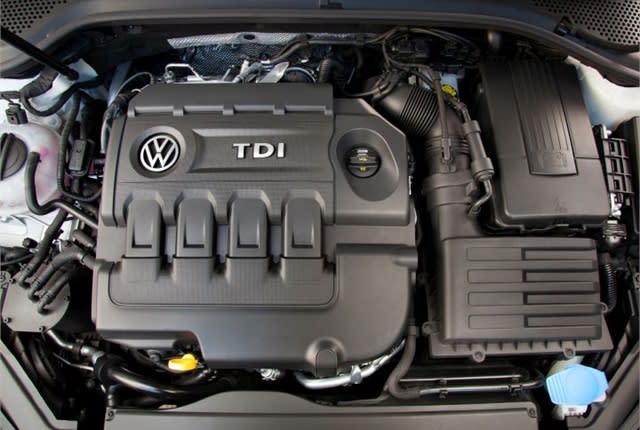
Photo courtesy of VW.
Federal and California environmental regulators have given final approval to Volkswagen's plan to fix or buy back about half of the diesel cars involved in its emissions scandal, which includes an additional $153 million payment to that state.
Volkswagen announced the approval, according to an Associated Press report, and CARB announced plans to disperse settlement funds.
The additional payment goes with the $533 million already paid to California. Of the total, $422 million will go into a national mitigation trust that will be used to enhance zero emission vehicles in California.
Eventually, Volkswagen will invest more than $800 million over 10 years for ZEV infrastructure, public outreach, and access to these vehicles for disadvantaged communities, according to a July 27 statement from the California Air Resource Board.
CARB has approved the first $200 million of a four-phase rollout that will be used to build a basic charging network around the state, launch public outreach in multiple languages, and begin ZEV access projects such as the first Green City project. The four 30-month investment plans will be approved by CARB through a public process.
Electrify America has chosen Sacramento as the first of two such projects where it will provide ZEV initiatives for residents. This will include charging stations and access to ZEVs for car sharing and other ride-and-drive opportunities. The second city will be chosen in a later phase.
As part of the first phase, CARB will fund charging networks and a high-speed statewide charging network in six metropolitan areas, including Fresno, Los Angeles, San Francisco, San Jose, San Diego, and Sacramento.
The vehicle charging stations will be built at community locations, multi-family dwellings, commercial and retail locations, workplaces and municipal parking lots and garages.
The regulators approved the plan for Volkswagen clean diesel cars with 2.0-liter TDI engines, including the Passat, Jetta, Golf, Beetle, and Audi A3.
More Operations
Here's When You Should Make an Exception to Fleet Policy
Fleet policies are designed to create consistency, but not every driver or situation fits neatly within standard rules.
Read More →
AI-Native or AI-Acquired: What Should Fleet Managers Look for in an AI Platform?
Six questions can help fleet managers look beyond AI marketing claims to evaluate integration, data access, and real-world operational performance.
Read More →
A buyer's guide to fleet management software in 2027
Buying fleet management software in 2027 means looking beyond features and price. As fleet operations, technology and expectations evolve, this guide explores what today’s fleet professionals should consider when choosing a system that can deliver value now and adapt to what comes next.
Read More →

What Will Shape the Next Era of Fleet Management?
EVs, AI, and autonomous vehicles are reshaping fleet management. Discover what’s ahead—and how fleet leaders can prepare for the next era.
Read More →
How Fleets Can Recruit and Train Veterans for Technician Roles
Here's how the technician shortage has affected uptime for fleets, and what to do about it.
Read More →
Avis Budget Group Deploys Neology Toll Management Technology Across Major Brands
Neology’s neoFleet platform will manage toll transactions and toll-authority operations for vehicles across Avis, Budget, Payless, Budget Truck and Zipcar.
Read More →
Fleet Personal-Use Charges Edge Higher in 2026
Nearly eight in 10 surveyed fleets allow personal use of company vehicles, while just over half of respondents report charging employees for the privilege.
Read More →
The Future of Fleet + What’s Changing Right Now | AF News Recap
Could developments overseas offer a preview of what’s coming for U.S. fleets? This week, we’re looking at the future of AI, autonomy, and electrification, plus Ford Pro’s new certified pre-owned program, smarter vehicle offboarding, and a new way for fleets to manage toll expenses.
Read More →
How to Handle Vehicle Offboarding
What do fleet managers need to do when a driver leaves?
Read More →
Fleet Manager’s Ultimate Playbook: Navigating the New Standard in OEM Connectivity
Rising operating costs, driver safety concerns, and unplanned downtime are putting unprecedented pressure on modern fleets. Discover how fleet managers use embedded OEM connectivity and real-time vehicle data to cut TCO, prevent downtime, and protect drivers without aftermarket telematics hardware.
Read More →