




Fleets Report Aggressive Efforts to Collect Delinquent Unpaid Tickets and Toll Violations
As many states combine delinquent ticket data into a single database, there’s an increased effort by government entities to go after unpaid violations, some as old as 10 years. In the past, political subdivisions within a state operated independent of the state DMV. Now, the databases of these jurisdictions are merged into the state DMV database, making it easier to identify and collect on unpaid tickets. Fleets have seen significantly more violations handed over to collection agencies.

As many states combine delinquent ticket data into a single database, there’s an increased effort by government entities to go after unpaid violations. In the past, political subdivisions within a state operated independent of the state DMV. Now, the databases of these jurisdictions are merged into the state DMV database, making it easier to identify and collect on unpaid tickets.
“We have had cities reaching back for old parking tickets, sometimes going back five or six years,” said one fleet manager. “The worst we had was a few years ago with the state of Illinois. We were billed several thousand dollars in fees and fines for unpaid toll violations dating back years for fleet vehicles we no longer owned. With no way to disprove the charges, we had to roll over and pay them. It was ridiculous.”
Other fleet managers are reporting the same trend: “We have seen a large uptick in the number of old tickets being dredged up; some years old. I firmly believe it is an attempt at generating revenue for municipalities.”
There are a variety of factors contributing to the increase in violations. The main factor is the current state of the economy, which is forcing municipalities to look for alternative means to generate revenue.
“In the past, there were many municipalities that would not pursue each and every unpaid violation. But, more and more, they are looking at missed opportunities and going to greater lengths to collect on those unpaid violations, with some municipalities even going back 20 years,” said Eric Crooks, director of operations, license and title for LeasePlan USA.
Toll Authorities Becoming More Aggressive
As states scramble to generate additional revenue to compensate for the decline in property and sales tax revenues, toll authorities are more aggressive in the collection of unpaid toll violations.
“Within the last 15 months, Automotive Resources International (ARI) has been presented with and settled balances of unpaid violations from four major toll authorities. One north-central agency adds a $50 civil penalty and $20 collection fee onto a single toll charge of less than $2,” said Tim Delaney, department head, licensing services for ARI.
In addition to the fiscal impact, administering these delinquency notices pose all sorts of difficulties.
There are numerous challenges associated with the billing process of these toll violation balances due to their excessive age. Because the original date of violation can range from one to 10 years, some of the vehicles have been sold or purged from active databases, making the process of vehicle identification tedious and time intensive.
Additionally, most fleet accounting systems have not been designed to bill vehicles that are no longer active in databases, necessitating creative solutions to complete the billing process without laborious manual invoicing. From the fleet manager’s perspective, they face the nightmarish prospect of recouping funds from drivers who may no longer be associated with the vehicle or employed by the company.
While some toll agencies, such as the Illinois Tollway Authority, have developed an online inquiry system for fleets seeking photographs and copies of the original violations, most toll agencies balk at the prospect of providing thousands of images on-demand. The majority of legislation governing toll authorities restricts the rights of the motorists by allowing small appeal windows and eliminates the option once the violation has been referred to a collection agency. Consequently, a fleet is relatively powerless to dispute toll violations once the allotted dispute period has elapsed.
Aggressive Collection Efforts
Traffic violation revenues go to the city government’s general fund, where it is pooled to help pay for city services. These jurisdictions engage in aggressive enforcement of traffic, toll, and parking violations.
“We have seen the volume of violations increase by over 300 percent. Toll violations and red light cameras are major contributors and increase on a monthly basis,” said Delaney.
Municipalities are looking to maximize revenue collection, using techniques not previously seen.
“The municipalities are going to great lengths to enforce the payment of these violations. As a result, we have seen significantly more violations go into collection status and actually handed over to true collection agencies,” said Crooks. “We are also seeing some municipalities starting to tie collection of past due violations to renewal of other vehicles in a client’s fleet, business license renewal, collection of taxes, etc.”
Currently, vehicle violations represent, on average, 1-3 percent of total fleet costs. However, this may increase.
With state and local government debt exceeding revenue in Illinois, New York, New Jersey, and Texas, the industry’s expectation is that these states will continue to allocate significant resources toward aggressive collection measures.
Let me know what you think.
More Blog Posts

Fleets Want Trust Restored with Suppliers
During this period of ongoing supply constraints, the trust that fleet managers had with OEMs, upfitters, and dealers has been strained. Fleet managers say they have had too many experiences over the past three years coping with erroneous information, adjusting to multiple price increases, and feeling betrayed by inadequate transparency from suppliers.
Read More →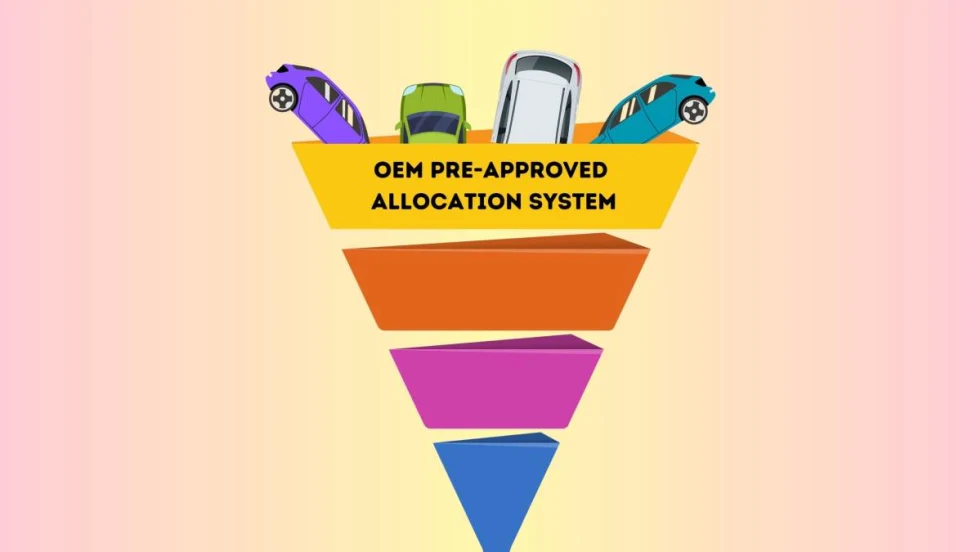
Scheduled Replacement Cycles Are Becoming a Distant Memory
The ongoing difficulty in sourcing replacement vehicles is forcing companies to extend the service lives of vehicles that are unable to be replaced, which, inevitably, increases unscheduled maintenance expenses.
Read More →
Fleet Simplification is the Antidote to Asset Variability
Fleet simplification identifies asset functions to uncover commonality among the equipment and assets. Simplification increases operational efficiency as end-users become accustomed to the controls, displays, and operation of less diverse units.
Read More →
The Dangers of Static Fleet Policies
A fleet policy is a living document, flexible enough to adapt to evolving business priorities, developing industry trends, and changing industry best practices and standards.
Read More →
Short-Term vs. Long-Term Cost Reductions
Corporate procurement staff are often driven by short-term, immediate cost reductions. However, a longer perspective to soft cost savings is critical because fixating on short-term results will hurt a company in the long run.
Read More →
Uptick in Unscheduled Maintenance Increasing Vehicle Downtime
Fleet data analysis can identify recurring downtime issues. It’s important to determine the root causes of downtime so procedures can be developed to minimize such problems.
Read More →
Eliminate Needless Curb Weight to Maximize ICE & EV Efficiencies
Vehicle weight relates directly to fuel economy. In today’s era of electrification, there is also a direct correlation between vehicle weight and battery range.
Read More →
Tech Dependence Risks Dumbing Down Fleet Manager Expertise
The line between creative thinking and problem solving and doing what the data indicates is thin. To lead in fleet management, you need to balance understanding the fundamentals and embracing what smart technology offers.
Read More →
Leverage the Synergy of Safe Driving to Achieve Sustainability and Cost Goals
Safe driving, emission reductions, and cost containment can all be achieved at the same time.
Read More →
The Playbook for Fleet Manager Success
There are many paths to success — most of them involve being flexible, open-minded, and willing to learn.
Read More →