




To Maximize Fleet Efficiency, Incentivize Your Fleet Manager
Most major corporations reserve bonuses and other money incentives for senior management. Few make financial incentives available to middle management. Should the fleet manager position be an exception? I argue yes, and here's why.

By Mike Antich
Most major corporations reserve bonuses and other money incentives for senior management. Few make financial incentives available to middle management. Should the fleet manager position be an exception? I argue yes, and here's why.
Companies large and small have long understood the value of providing financial incentives to key employees. Financial incentives usually take two forms: an incentive (such as cash and stock options) based on the overall financial performance of the company over a specific time period or an individual performance bonus. While the former depends on the performance of the entire company (or subsidiary or division), the latter is a financial incentive based strictly on the performance of an individual's management of a specific function within the company.
Very few fleet managers are eligible for any bonus. They are part of the ranks of Corporate America's salaried middle management. Considering every company's continuing quest for greater net profits, I will argue incentivization is in the best interests of a company and its shareholders, especially since fleet, at many corporations, represents one of the top five indirect spend categories.
An Incentivized Work Culture
Are the basic management responsibilities for a fleet manager about the same as a sales manager? Is there any commonality between the two? The answer to both is yes. If a sales manager's staff generates $1 million in gross sales that equates to a net profit of $100,000 in a company operating at an annual net profit of 10 percent. The fleet manager sells no product or service; however, he or she does manage an asset and expense base ranging from hundreds of thousands to millions of dollars annually. The fleet manager's target is therefore the reverse of the sales manager. If the fleet manager and staff reduce annual fleet expenses by $100,000, the net bottom line profit effect is the very same as the sales manager's $1 million sales achievement.
Yet, almost all sales managers receive bonuses based on their recorded amount of sales, and almost no fleet managers receive anything other than ordinary salary based on their documented fleet cost reduction. To be objective, incentivization comes with no guarantees. Sometimes companies overestimate the benefits. A company may initiate the best fleet financial incentive program in the world, but it might be all for naught if a fleet manager is not up to the challenge. But this represents a very small minority of fleet managers. The overwhelming majority of fleet managers who are suddenly "money-incentivized" will become incredibly creative in developing cost-cutting initiatives. By implementing a "stretch" incentive program, fleet managers will strive harder and become more innovative in reducing fleet expenses. A tiered incentive program by its very nature encourages managers to formulate strategies to achieve specific goals. Research consistently validates the effectiveness of financial incentives on job performance and the achievement of specific job objectives.
Implementing Benchmarking Metrics
Today's economic conditions are causing companies to thoroughly scrutinize cash flow. However, it is time to stop thinking of cost cutting as simply reducing expenditures. Cost-cutting initiatives can both reduce costs and raise revenues. Some examples would be cost reduction strategies that help reduce driver downtime or a route optimization strategy that cut fuel expenditures while increasing driver productivity.
If incentivized, will a fleet manager do a better job in critical fixed-cost areas, such as depreciation management, replacement cycling optimization, and residual value maximization? Similarly, would a fleet manager reach for higher goals in controlling variable costs, such as fuel, maintenance, tires, and PM expenses? My position is this would indeed be the end result. An incentive work culture would motivate a fleet manager to maintain higher standards and work to create measureable performance metrics.
Not Everyone is the Same
The most common mistake senior management makes when trying to motivate employees is assuming everyone shares a set of common motivators. When managing employees and making an effort to motivate them, consider every individual is different. No employee is exactly the same as another, so it stands to reason no one employee can be motivated to perform in precisely the same way. There are a variety of ways to motivate employees. However, it has been proven time and again one of the best motivators, for most people, is money.
Let me know what you think.
More Blog Posts

Fleets Want Trust Restored with Suppliers
During this period of ongoing supply constraints, the trust that fleet managers had with OEMs, upfitters, and dealers has been strained. Fleet managers say they have had too many experiences over the past three years coping with erroneous information, adjusting to multiple price increases, and feeling betrayed by inadequate transparency from suppliers.
Read More →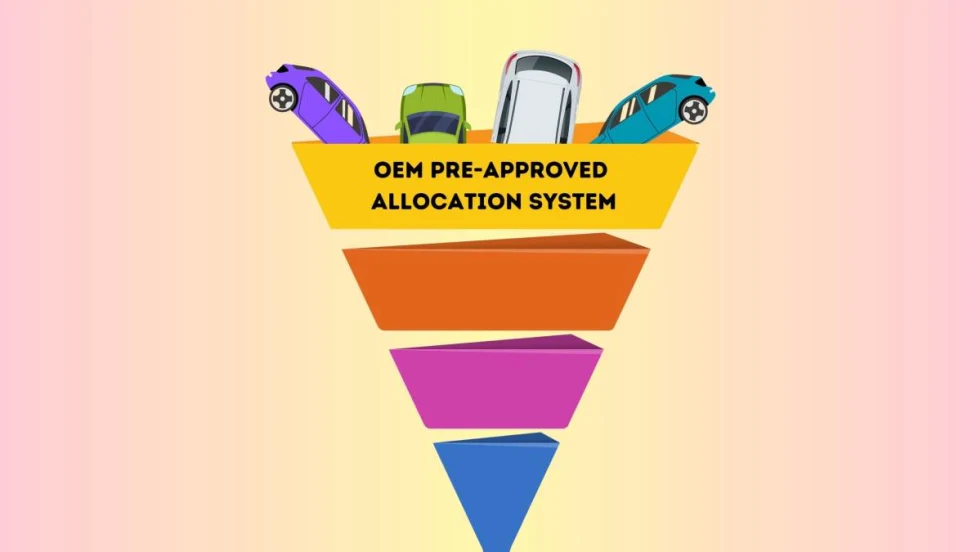
Scheduled Replacement Cycles Are Becoming a Distant Memory
The ongoing difficulty in sourcing replacement vehicles is forcing companies to extend the service lives of vehicles that are unable to be replaced, which, inevitably, increases unscheduled maintenance expenses.
Read More →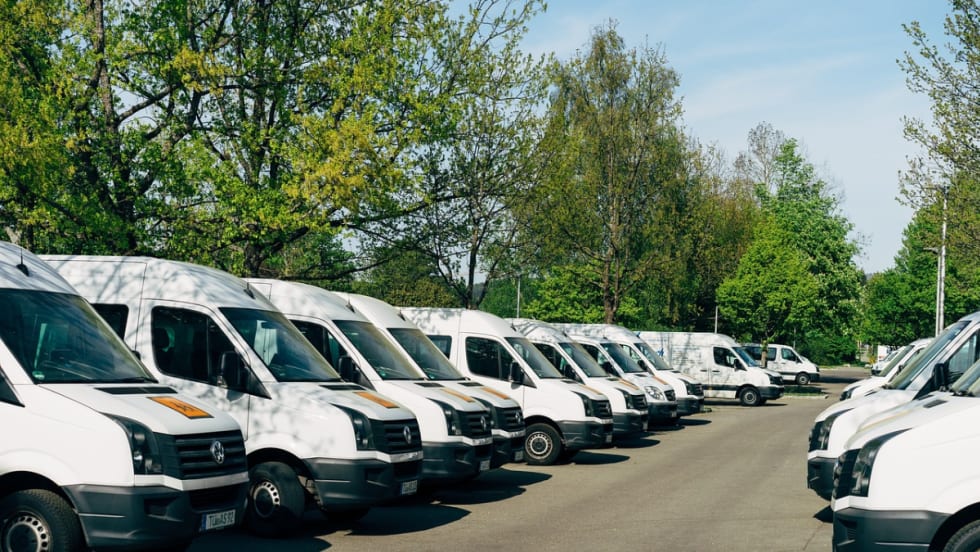
Fleet Simplification is the Antidote to Asset Variability
Fleet simplification identifies asset functions to uncover commonality among the equipment and assets. Simplification increases operational efficiency as end-users become accustomed to the controls, displays, and operation of less diverse units.
Read More →
The Dangers of Static Fleet Policies
A fleet policy is a living document, flexible enough to adapt to evolving business priorities, developing industry trends, and changing industry best practices and standards.
Read More →
Short-Term vs. Long-Term Cost Reductions
Corporate procurement staff are often driven by short-term, immediate cost reductions. However, a longer perspective to soft cost savings is critical because fixating on short-term results will hurt a company in the long run.
Read More →
Uptick in Unscheduled Maintenance Increasing Vehicle Downtime
Fleet data analysis can identify recurring downtime issues. It’s important to determine the root causes of downtime so procedures can be developed to minimize such problems.
Read More →
Eliminate Needless Curb Weight to Maximize ICE & EV Efficiencies
Vehicle weight relates directly to fuel economy. In today’s era of electrification, there is also a direct correlation between vehicle weight and battery range.
Read More →
Tech Dependence Risks Dumbing Down Fleet Manager Expertise
The line between creative thinking and problem solving and doing what the data indicates is thin. To lead in fleet management, you need to balance understanding the fundamentals and embracing what smart technology offers.
Read More →
Leverage the Synergy of Safe Driving to Achieve Sustainability and Cost Goals
Safe driving, emission reductions, and cost containment can all be achieved at the same time.
Read More →
The Playbook for Fleet Manager Success
There are many paths to success — most of them involve being flexible, open-minded, and willing to learn.
Read More →