




Safety Tip: Do You Know Your Stopping Distance?
How Far Can Predictive Analytics Take Us?
Predictive analytics is a fleet-management tool that uses data collected by telematics systems to identify the early-warning signs that could lead to collisions and breakdowns.
by Staff
November 10, 2017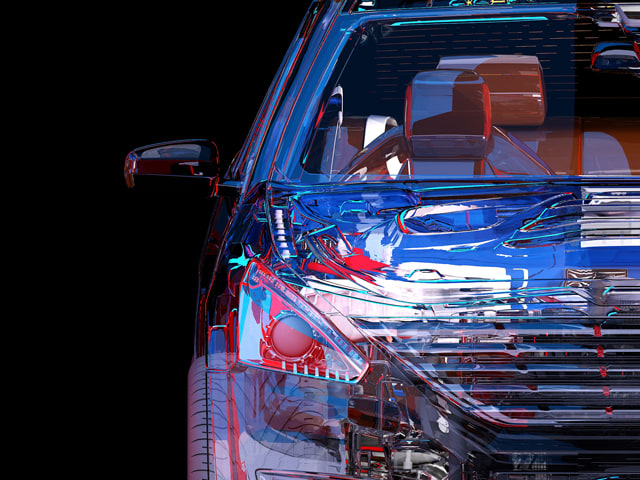
Photo courtesy of GettyImages.com/1971yes.
3 min to read

Photo courtesy of GettyImages.com/1971yes.
One of the more powerful yet often-underutilized features of a robust telematics program is the ability to use all that data to feed a predictive analytics platform. The intended result is the ability to use existing data to forecast events such as collisions, parts failures, or mechanical breakdowns before they happen.
The key is marrying the precise location information provided by your telematics system with the data generated by the array of sensors built into modern vehicles.
Driver Behavior
The data doesn't lie. Your telematics record can paint a clear picture of each driver's individual habits, which in turn allows the organization to develop safety training that is individually tailored, rather than a blanket program that may or may not be relevant to each driver.
And while not every incident can always be avoided — there is a reason they are called "accidents" after all — by ensuring every driver is aware of their own habits and is taking steps to mitigate the risks, the fleet as a whole will see safety scores improve and the costs associated with collisions go down over time as they become less frequent and less severe.
Drivers aren't the only ones who benefit from a robust predictive analytics program based on telematics data, either. The vehicles themselves will benefit as well.
Early Warning Signs
You can usually tell when you are starting to push your body too far. You start to get twinges in your joints or pain in certain muscle groups. At that point, you may choose to stop exercising or push through and risk injury.
Your fleet vehicles are the same; they just don't have a way to tell you when something is off — until now.
Predictive analytics can create a similar warning system for vehicle health. If a stress fracture starts to change the way a sensor is reading a specific system, the system will notice, giving you the opportunity to schedule a service visit or take immediate action before a more serious breakdown occurs.
And it's not just catastrophic failures that predictive analytics can help mitigate. By monitoring tire pressure, for example, your system can warn you when gas mileage is starting to be affected, minimizing unnecessary fuel costs. It can also reduce the downtime (and frustration) associate with routine maintenance, always ensuring the right parts are on hand to repair the exact problem on each vehicle before the mechanic even gets it in the shop.
Predictive analytics is a way to take all the data your telematics system is already collecting and use it to take your fleet operations to the next level. It can improve every aspect of your fleet from driver safety to routine vehicle maintenance, and everything in between.
Subscribe to Our Newsletter
More Telematics

GM Launches OnStar Fleet Intelligence Platform With AI Assistant
The new platform brings vehicle data, order tracking, connected services and fleet analytics into one system, with an AI assistant that can answer fleet questions using natural-language prompts.
Read More →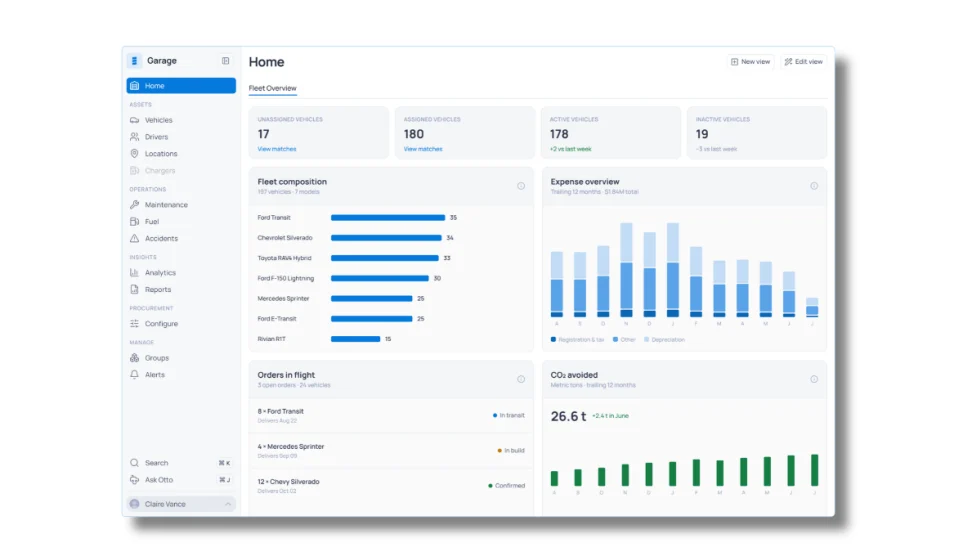
Inspiration Fleet Introduces Garage 2.0 Fleet Intelligence Platform
Fleet managers increasingly have access to data from vehicles, telematics, fuel, charging, and other systems, but those sources don't always communicate with one another. Inspiration Fleet's Garage 2.0 platform brings that information together while letting fleets keep working with different technology and service providers.
Read More →
Inside Inspiration Fleet’s New Platform for Connecting Fleet Data
Inspiration Fleet CTO Chris Getner explains how the new Garage 2.0 platform is designed to connect disparate fleet data and what that could mean for fleet managers in practice.
Read More →
Sponsored•October 1, 2026
Fleet Manager’s Ultimate Playbook: Navigating the New Standard in OEM Connectivity
Rising operating costs, driver safety concerns, and unplanned downtime are putting unprecedented pressure on modern fleets. Discover how fleet managers use embedded OEM connectivity and real-time vehicle data to cut TCO, prevent downtime, and protect drivers without aftermarket telematics hardware.
Read More →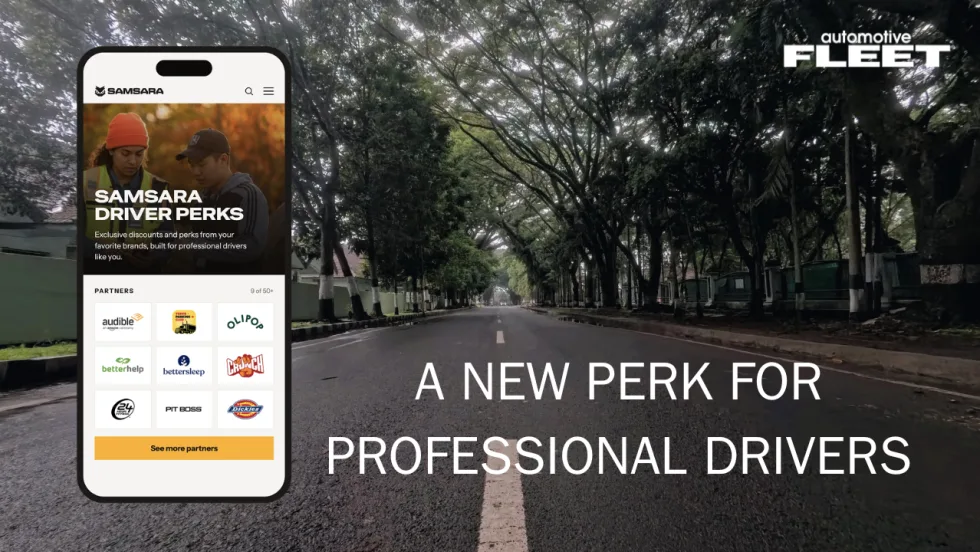
Samsara Driver Perks Adds New Benefit for Corporate Fleet Drivers
The rewards program gives eligible professional drivers access to discounts from more than 50 brands while giving fleets another way to support recruitment, retention, and the driver experience.
Read More →
Inside the Church of Jesus Christ of Latter-day Saints’ Two-Track Telematics Strategy
With 20,000 vehicles and two fundamentally different driver populations, the Church faced a fleet management problem that a single telematics program couldn't solve. How it responded offers a replicable framework for any fleet where one size doesn't fit every driver.
Read More →
How Conversational AI Can Make Fleet Tasks Easier for Drivers
While most generative AI tools help fleet managers interpret data at their desks, Connex2X is applying voice interaction to tasks behind the wheel.
Read More →
Why Fleets Are Creating Dedicated Fleet Analyst Positions
Are fleet analyst positions the new norm? Listen here to find out.
Read More →
Teletrac Navman Begins Next Chapter as Standalone Private Company
What's new with Teletrac Navman and its new owner?
Read More →
Why Fleets Are Creating Dedicated Fleet Analyst Positions
Telematics, AI, EVs, and connected technologies are generating more fleet data than traditional teams can effectively manage. Reed Jackson explains why dedicated fleet analytics roles are emerging to turn that information into better operational decisions.
Read More →