





Related: GM Fleet Partners with Spireon on Telematics Solution
GM Offers Third Factory Telematics Option
This partnership, along with a factory solution from Telogis and GM’s Commercial Link, allows GM fleet customers to select a telematics system similar to choosing vehicle options.
April 1, 2017
Logos courtesy of GM Fleet and Spireon.
4 min to read
Logos courtesy of GM Fleet and Spireon.
In March, General Motors announced a partnership with Spireon to provide a telematics solution to GM fleet customers. Spireon, the largest aftermarket telematics provider with 3.75 million active U.S. subscribers, offers web-based fleet management solutions to monitor vehicle and driver performance.
Spireon will use GM’s OnStar 4G LTE hardware and application program interface (API) to power a customized version of its FleetLocate system. The new system will be available on Chevrolet, Buick, GMC, and Cadillac vehicles in May.
Spireon’s FleetLocate system joins other GM Fleet telematics solutions that include a version of Telogis Fleet for GM and GM’s proprietary Commercial Link tool. GM first offered a telematics system from the factory when it partnered with Telogis in 2014.
For all three of these solutions, the necessary hardware is no longer installed in the aftermarket — using OnStar’s in-vehicle hardware, GM fleet customers are able to select a telematics system using a method similar to how they would choose vehicle options.
“We’re excited to offer our GM customers a ‘push-button’ onboarding experience for FleetLocate, enhanced by exclusive diagnostics and data that only come from OnStar,” said Kevin Weiss, CEO of Spireon.
Without hardware requirements, GM customers have more flexibility with telematics choices, said Ed Peper, U.S. vice president, GM Fleet. “Aftermarket boxes are a pain for customers, and they’re expensive,” he said. “Now there are no hardware or installation costs, or downtime for vehicles. The monthly subscription fee is determined by (the telematics provider) based on the features chosen.”
GM fleet customers new to telematics can choose Commercial Link, a more entry-level solution, and then upgrade to more sophisticated, customizable systems offered by
Spireon or Telogis. “It’s like a cable TV subscription,” Peper said.
Spireon fleet customers that want to connect vehicles from GM and those from other manufacturers would still require a mix of factory-direct and aftermarket installations.
More Connections
From GM’s position, the genesis of the Spireon partnership was an enquiry from a GM customer to connect at the factory. And, the door is open to connect to other telematics providers.
“Down the road, if there are other providers that want to partner with us, they’d use the same API’s (as the ones used by Spireon and Telogis),” said Greg Ross, OnStar’s Business Development and Alliances director. “We have a flexible piece of hardware that our customers can use with any service solution that they prefer, including building their own.”
Telogis customers, however, are able to connect to a growing list of manufacturers through factory ordering. In addition to GM Fleet, Telogis has similar partnerships with Ford, Mack, Hino, Freightliner, Volvo Trucks, and Isuzu. At the 2017 Work Truck Show, Telogis announced a similar partnership with Mitsubishi Fuso for its diesel-engine trucks.
While Telogis, and now Spireon, have been early promoters of factory-ready solutions, other telematics providers have been in talks with manufacturers, though no announcements have been made as of this writing.
Connecting through manufacturers’ hardware and APIs has implications beyond fleet telematics to other connected car uses. Maven, GM’s new mobility platform, also uses the OnStar connection to monitor and access vehicles in the Maven network.
In a general sense, connections enabled at the factory would more easily facilitate new platforms such as carsharing, fleet vehicle pooling, ride hailing, peer-to-peer vehicle sharing, fractional ownership schemes, and more.
“As we recognize opportunities to take additional data off the vehicle, we can create new services through software without having to change the hardware,” Ross said. “So we can innovate and partner with our customers to create new commands and data elements over time.”
Indeed, “connected car” is no longer a catch phrase. The National Highway Traffic Safety Administration and Department of Transportation have submitted a proposal mandating that all new light vehicles be capable of vehicle-to-vehicle (“V2V”) communications as soon as 2020. While the technology that underpins the government’s mandate is slightly different than OnStar, the mandate speaks to a future in which all cars will be connected.
“There’s quite a lot more deployment to come,” Peper said. “I think we’re just beginning to scratch the surface in how much data we’re getting from vehicles and the services we’re able to create.”
Subscribe to Our Newsletter
More Telematics
Element Expands Waymo Partnership to Support Toronto Robotaxi Fleet
As Waymo prepares to enter the Canadian market, Element Fleet Management will oversee the fleet operations supporting its planned Toronto launch. The partnership highlights the maintenance, charging, and infrastructure requirements behind operating autonomous vehicles at scale.
Read More →
GM Launches OnStar Fleet Intelligence Platform With AI Assistant
The new platform brings vehicle data, order tracking, connected services and fleet analytics into one system, with an AI assistant that can answer fleet questions using natural-language prompts.
Read More →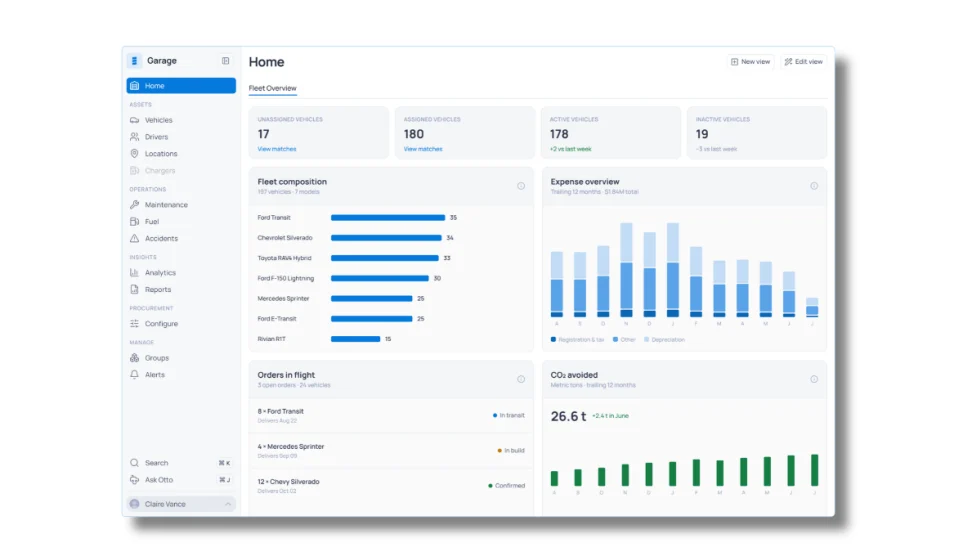
Inspiration Fleet Introduces Garage 2.0 Fleet Intelligence Platform
Fleet managers increasingly have access to data from vehicles, telematics, fuel, charging, and other systems, but those sources don't always communicate with one another. Inspiration Fleet's Garage 2.0 platform brings that information together while letting fleets keep working with different technology and service providers.
Read More →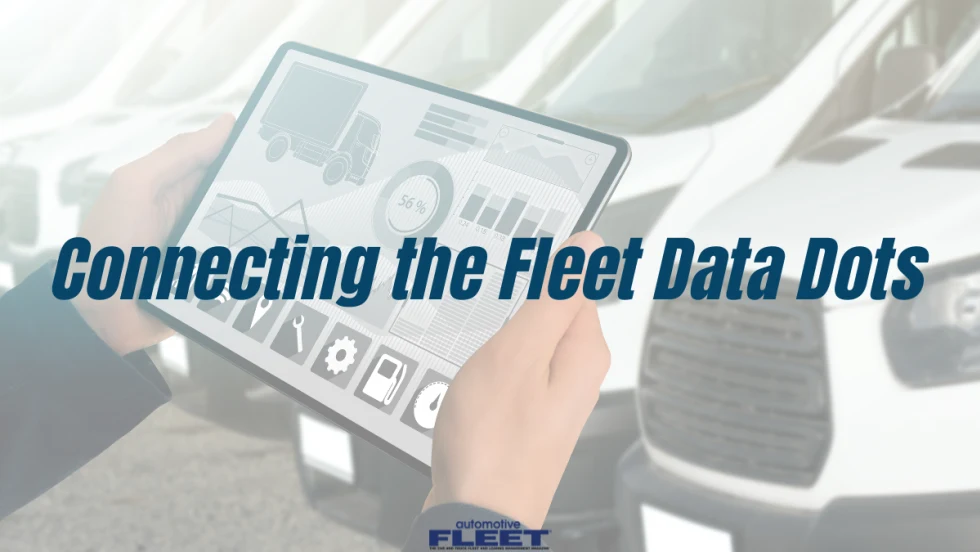
Inside Inspiration Fleet’s New Platform for Connecting Fleet Data
Inspiration Fleet CTO Chris Getner explains how the new Garage 2.0 platform is designed to connect disparate fleet data and what that could mean for fleet managers in practice.
Read More →
Sponsored•October 1, 2026
Fleet Manager’s Ultimate Playbook: Navigating the New Standard in OEM Connectivity
Rising operating costs, driver safety concerns, and unplanned downtime are putting unprecedented pressure on modern fleets. Discover how fleet managers use embedded OEM connectivity and real-time vehicle data to cut TCO, prevent downtime, and protect drivers without aftermarket telematics hardware.
Read More →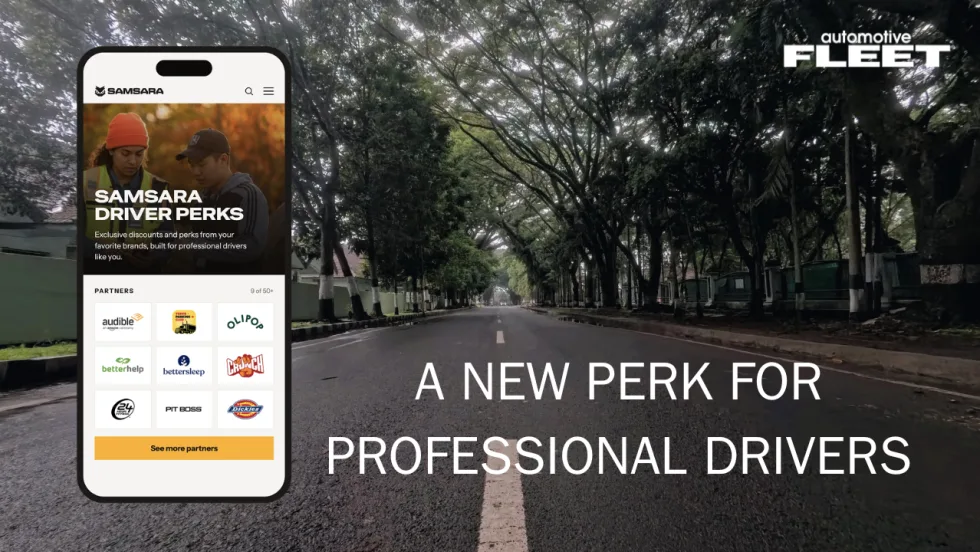
Samsara Driver Perks Adds New Benefit for Corporate Fleet Drivers
The rewards program gives eligible professional drivers access to discounts from more than 50 brands while giving fleets another way to support recruitment, retention, and the driver experience.
Read More →
Inside the Church of Jesus Christ of Latter-day Saints’ Two-Track Telematics Strategy
With 20,000 vehicles and two fundamentally different driver populations, the Church faced a fleet management problem that a single telematics program couldn't solve. How it responded offers a replicable framework for any fleet where one size doesn't fit every driver.
Read More →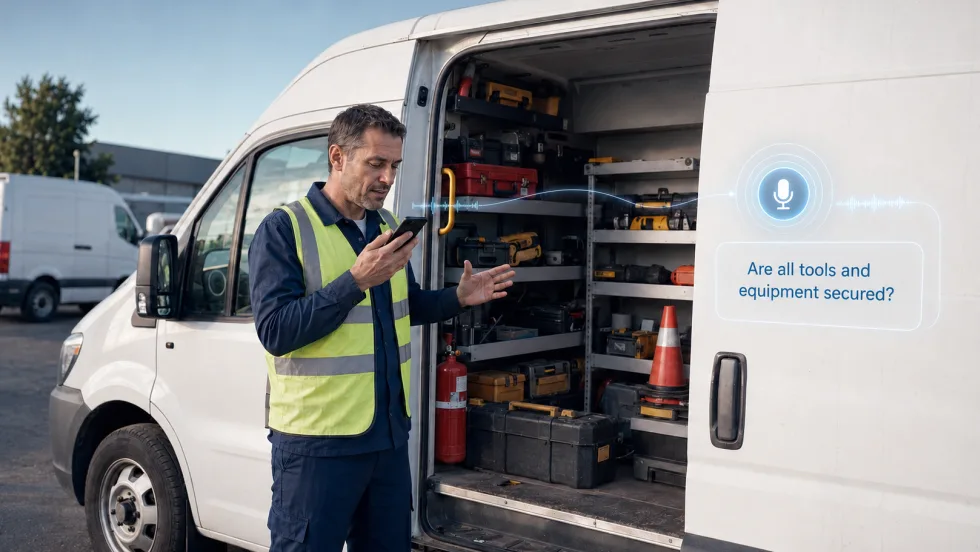
How Conversational AI Can Make Fleet Tasks Easier for Drivers
While most generative AI tools help fleet managers interpret data at their desks, Connex2X is applying voice interaction to tasks behind the wheel.
Read More →
Why Fleets Are Creating Dedicated Fleet Analyst Positions
Are fleet analyst positions the new norm? Listen here to find out.
Read More →
Teletrac Navman Begins Next Chapter as Standalone Private Company
What's new with Teletrac Navman and its new owner?
Read More →