




Coca-Cola's Hybrid Delivery Vans Bring Fuel Savings
Coca-Cola partnered with XL Hybrids to upfit 100 Chevrolet Express service vans with the XL3 parallel hybrid-electric drive system. The new system will increase the miles the beverage company is able to drive per gallon by 20 to 25 percent.
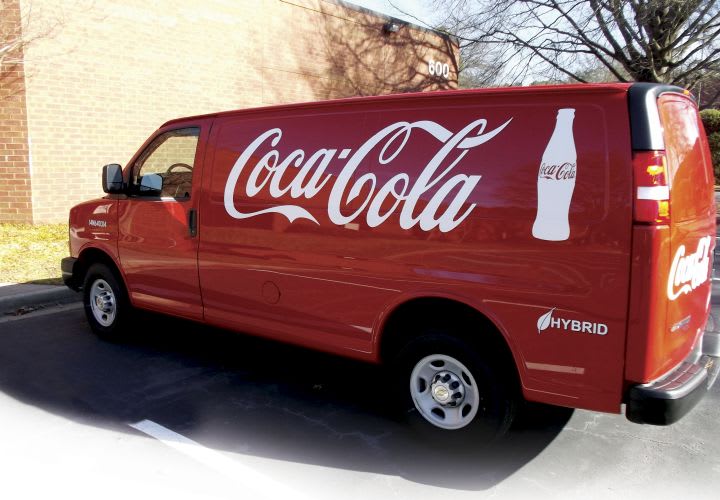
Photo courtesy of XL Hybrids.
Photo courtesy of XL Hybrids.
As the owner of the largest heavy-duty hybrid-electric delivery fleet in North America, The Coca-Cola Company knows more than most about reducing its overall corporate carbon footprint. The beverage company has dived into the alternative-fuel movement with both feet when it comes to its commercial fleet and have begun to look into upgrades for its service vehicles.
Recently, Coca-Cola partnered with XL Hybrids to upfit 100 Chevrolet Express service vans with the XL3 parallel hybrid-electric drive system. According to XL Hybrids' vice president of sales, Jay Sandler, the new system will increase the miles the beverage company is able to drive per gallon by 20 to 25 percent in suburban and urban driving environments.
"This results in a significant reduction to the cost per mile to operate the vehicle, and results in a favorable return in investment — often in less than three years," Sandler added. "The company operating a vehicle with XL Hybrids' system will also reduce its impact on the environment by reducing carbon emissions by approximately 20 percent."
Coca-Cola's investment in hybrid technology supports the company's goal to reduce its carbon footprint by 25 percent by 2020, according to Tony Eiermann, manager, asset and value management for Coca-Cola North America.
"This technology offered an option that provided low maintenance and fuel savings. It was also able to work with our existing fleet structure," Eiermann said. He added that the company plans on continuing to deploy hybrid, electric, and natural gas trucks in its fleet.
Currently, the company operates more than 800 alternative-fuel delivery vehicles including hybrid-electric, all-electric, liquefied natural gas (LNG), and compressed natural gas (CNG) vehicles. Coca-Cola began building a hybrid fleet in 2001, and sees not only the environmental, but the fiscal benefits as well.
"There are fuel savings and potential maintenance savings. The powertrain unit pays for itself three times over its life span due to these savings," Eiermann said.
Founded in 2009, XL Hybrids continues to recognize hybrid vehicle technology's place in the alt-fuel landscape. Unlike other fuels, such as propane autogas and CNG, hybrid vehicles are not prey to a limited refueling infrastructure.
"There are only about 1,000 public CNG stations operating in the U.S. and probably a smaller number of public propane autogas stations. The number of stations is also geographically limited, with limited hours of operation. This can often result in range anxiety when a vehicle is operated where access to fuel might be questionable," Sandler said.
XL Hybrids works closely with its customers to ensure the vehicles are operating properly and efficiently. Every installed system includes an onboard telematics system that communicates with XL Hybrids' servers at its Boston headquarters every time the key is turned. This gives the company first-hand knowledge on any technical difficulties, even before the customer is aware in some cases.
"We work with them to quickly rectify any problems," Sandler added. "We also can track the drive profile of the route that the vehicle is being used on and can work with the customer to help optimize vehicle operation on routes where the hybrid system will provide the best value and highest return on their investment."
In addition to the hybrid service vans, Coca-Cola recently announced the roll out of 16 first-of-its-kind refrigerated plug-in electric vehicles, continuing its dedication to alternative transportation.
More Green Fleet
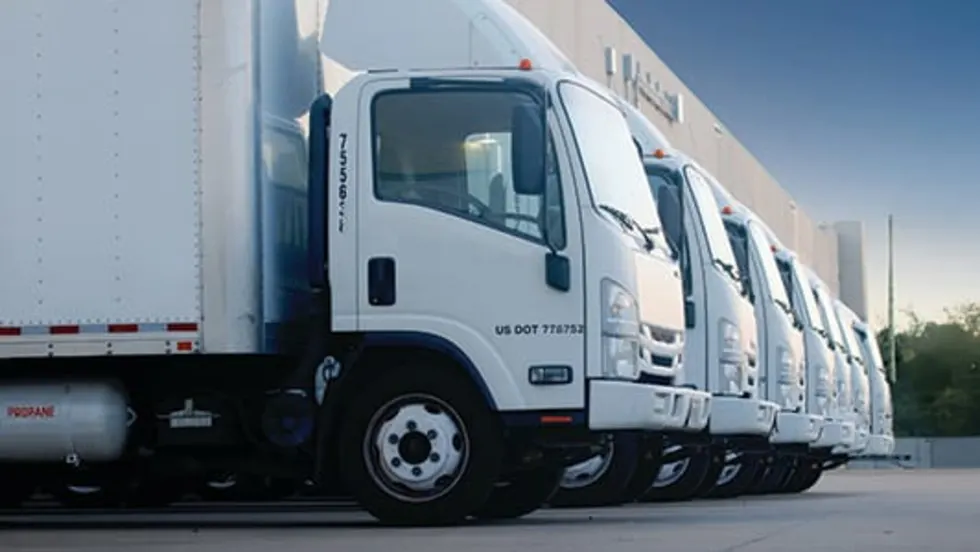
New Propane Autogas Program Offers Fleet Compensation
Qualified commercial fleets can receive $7,500 per eligible propane autogas vehicle and up to $10,000 for new refueling site prep. Learn how the program works and see whether your fleet qualifies.
Read More →
EV Charging Use Is Outpacing Infrastructure Growth
ChargePoint’s 2026 Charging Forward Report points to rising charger use, higher-powered charging, commercial vehicle electrification, and energy-management technology. Here’s what fleets should know.
Read More →
Merchants Fleet Reports 290M EV Miles as Fleets Navigate Changing Electrification Market
From millions in operating savings to hundreds of millions of EV miles, Merchants Fleet’s latest report reveals what’s working and what’s changing in fleet electrification.
Read More →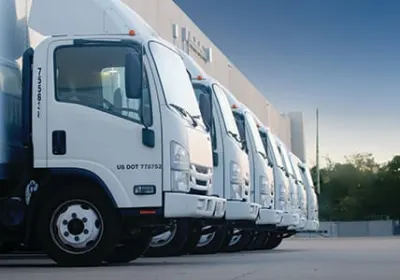
The EV Breakdown Nobody's Talking About: Why Most Electric Vehicle Roadside Calls Aren't Mechanical Failures
Here's why EV breakdowns are widely misunderstood.
Read More →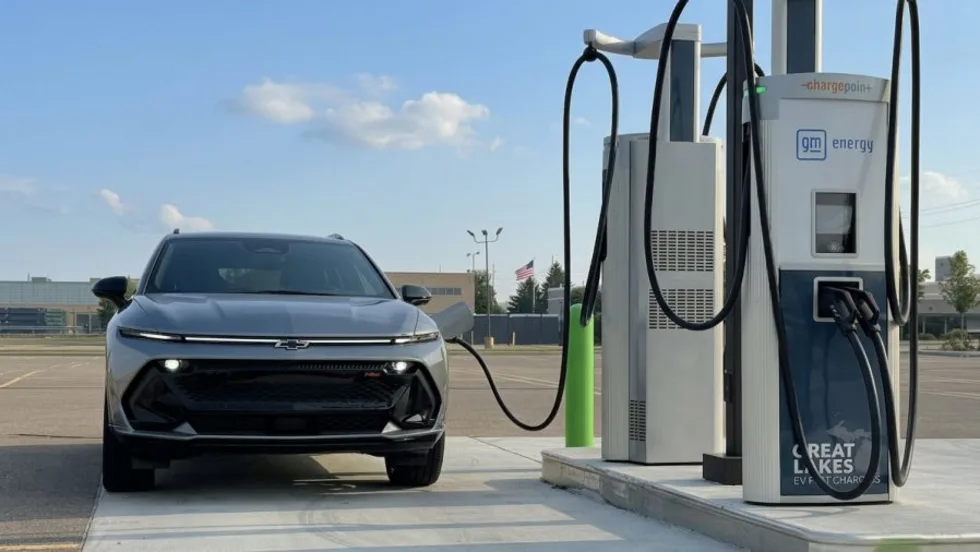
ChargePoint Now Available in Energy Pass
ChargePoint and additional planned charging network integrations were added to GM's Energy Pass.
Read More →

First Look: Slate Auto's Electric Fleet Pickup
Could an affordable, modular EV pickup make electrification more practical for fleets?
Read More →
Slate Debuts Colorful, Unique EV Models
A recent media and client event, studded with electric vehicles dressed up on platforms, planted a new position for the manufacturer in the wider EV market. Fleets will find cost-saving advantages.
Read More →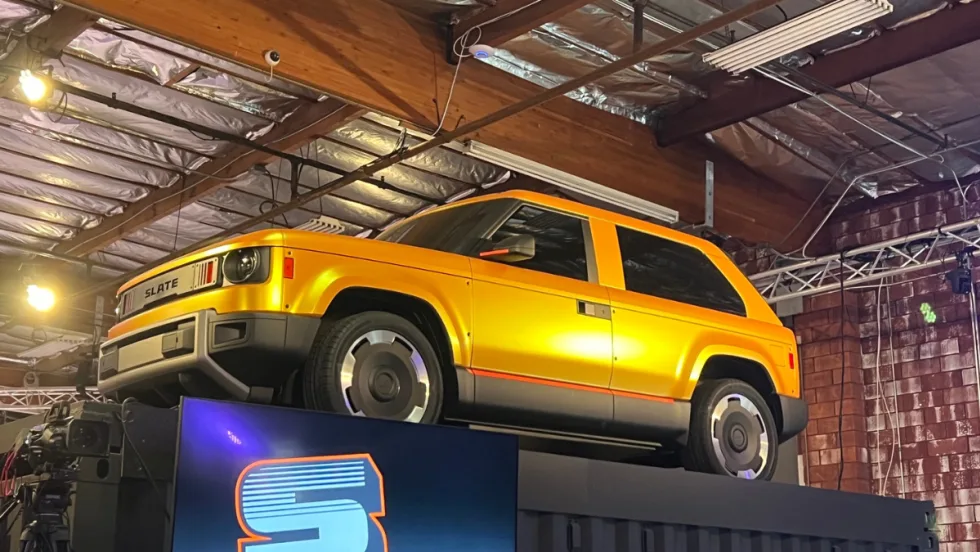
Slate Electric SUV, Pickup Switchable Model Aims For Light-Duty Fleets
Everything about this EV is counterintuitive and understated, making it stand out from the crowd.
Read More →
Inspiration Mobility Acquires Key Electrada Assets
Inspiration Mobility Group has acquired select assets of Electrada, adding the fleet electrification provider's team, technology, and charging infrastructure development capabilities to its energy management business.
Read More →