




Top 10 Things to Know About Parking Lot Collisions
It may not be surprising, but parking lot collisions are among the most common fleet-related accidents.
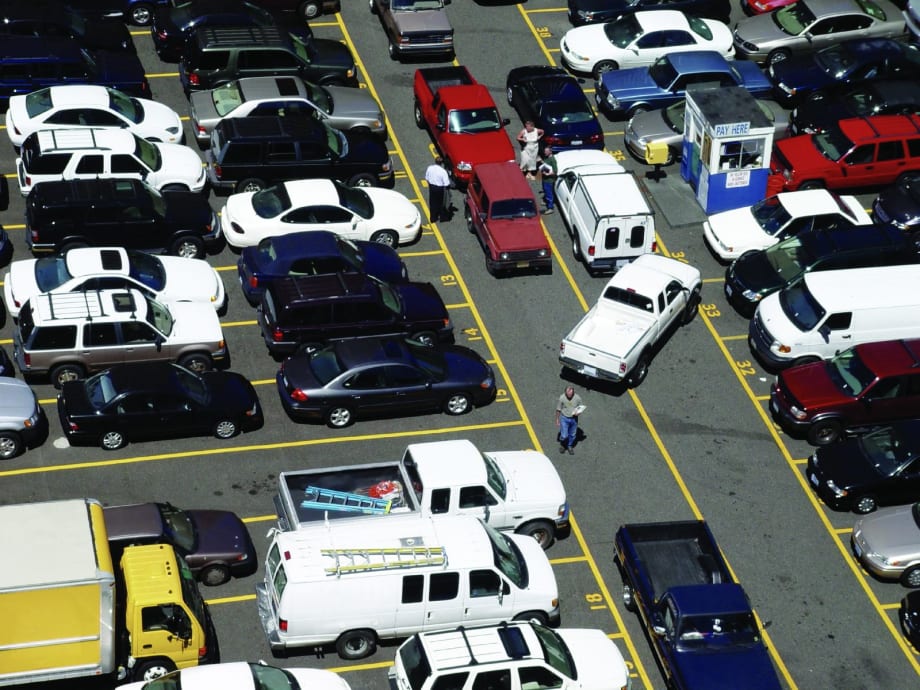
With 20 percent of fleet accidents occuring while parked or during parking, fleet managers must make drivers aware of
potential hazards.
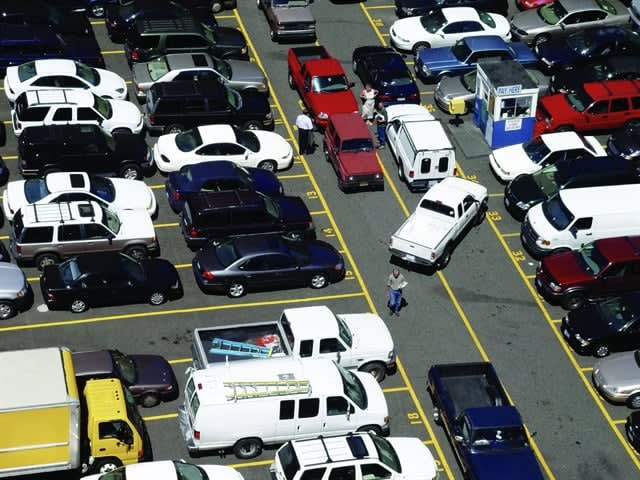
With 20 percent of fleet accidents occuring while parked or during parking, fleet managers must make drivers aware of
potential hazards.
Dings and dents may not seem all that scary or stressful in the context of highway collisions and incidents. But, the fact is, collisions in parking lots are among the most common accidents fleets experience and can cost a company more time and money than fleet managers may realize.
Below are the top 10 things to know about fleet-related parking lot accidents.
1-Parking lot accidents are the most common way fleet vehicles are damaged, according to research conducted by PHH Arval. In 2012, around 20 percent of fleet accidents occurred while parked or during parking. Basic defensive driving can help minimize collisions in these situations.
2-Parking lot dings may not cause many physical injuries for the parties involved, but they do create a loss of time and, more important, expsnese that can add up in the long run. The minutes spent filing insurance claims and the hours lost on out-of-service vehicles can impact the company’s bottom line.
3-Even though parking lot accidents are common, they can be avoided if drivers are easy on the accelerator pedal and drive slowly. Beth Stamer, director, global, health safety and environment at Eli Lilly said the pharmaceutical company trains drivers to remain calm and be observant when they enter a parking lot or structure.
“We instruct our employees to drive slowly in parking lots and to think before choosing a parking space,” Stamer said. “Sometimes, a parking spot a little farther out in the parking lot is better than trying to squeeze a vehicle into a parking spot close to the [building] door.”
Drivers must also pay attention to all vehicles, obstacles, and pedestrians surrounding their vehicle.
4-At home base, decorate company parking lots with helpful signs reminding employees to buckle up and drive safely. Maintaining the company lot is a way to help “practice what you preach” to drivers. Keep pavement clear of debris and ice or snow. It can help remind drivers that the company cares about their safety.
5-Stamer advised drivers that, whenever possible, “Employees should ‘pull through’ to the opposite space so they can drive forward out of the space instead of backing out when leaving,” she said. This reduces time spent backing up; however, ensure that driver’s are aware of vehicles pulling into the same spot headfirst.
6-Telematics systems are changing the way fleets operate, even affecting parking lot movements. According to a telematics study, its product’s best attribute has been in modifying driver behavior, say their customers. This can help drivers be held accountable for navigating lots more carefully.
7-A few tips can help drivers navigate lots more safely. When it’s windy, drivers must use care so the door doesn’t hit the vehicle next to theirs when they exit the vehicle. When deciding on a new vehicle for the fleet, test its safety features thoroughly, such as checking its blind spots, which can contribute to a parking lot or traffic collision.
8-Once a fleet vehicle has been selected, it is likely there are still places behind the truck or van the driver can’t see using mirrors. Many companies sell backup camera systems drivers can use to make sure nothing is behind their vehicle. It can help fleets avoid small collisions, such as a bumper ding or major tragedies if someone happens to be hidden from the driver’s view.
9-Ensure drivers are aware of the proper use and way to adjust side- and rear-view mirrors. Drivers need to know they must use their mirrors for every move they make. Double-checking blind spots before putting a foot on the accelerator may take a few extra seconds, but it will help productivity in the long term.
10-It isn’t just collisions that can make parking lots dangerous. When drivers exit their vehicle, they should be wary of unknown individuals around and strangers in nearby cars. Drivers should always lock vehicles and keep any valuables out of sight. This may seem like an easy idea to enforce, but when it isn’t their property, drivers get lazy and forget to act smartly. Parking in a well-lit area is one of the best ways to avoid issues.
More Safety

Nexar-Nauto Merger Aims to Give Fleets Better Safety Intelligence Through Larger Driving Dataset
Stefan Heck tells Automotive Fleet that combining more than 10 billion miles of driving history with Nexar's AI models will give fleets deeper insights into driver risk and roadway conditions than either company could provide independently.
Read More →
Don't Wait for a Crisis: 5 Ways to Build Mental Health Into Your Fleet Safety Program
For Suicide Prevention Month, fleet and safety leaders have an opportunity to put mental health where it belongs: at the center of workplace safety.
Read More →
How Camera Data Can Strengthen a Fleet’s Insurance Renewal
Insights from a commercial insurance carrier and a broker show how fleets can turn video telematic data, driver coaching, and improved claims results into a stronger case at insurance renewal.
Read More →
The Safest Fleets Aren’t the Ones with the Most Technology
You’ve made the telematics investment. Here’s how to capture the other half of its value and build the safest fleet on the road.
Read More →
Hidden in Plain Sight: Fleet Compliance Risks
Fleet compliance isn't just about having policies — it's about consistently enforcing them. This practical guide reveals six hidden compliance risks common in public sector and shared fleet operations and outlines proven strategies to improve visibility, accountability, and audit readiness
Read More →
NETS Sets 2026 Fleet Safety Benchmark Conference for Indianapolis
The Sept. 15–17 program will feature fleet benchmarking data, case studies, emerging technologies, and implementation strategies while running alongside the NSC Safety Congress & Expo.
Read More →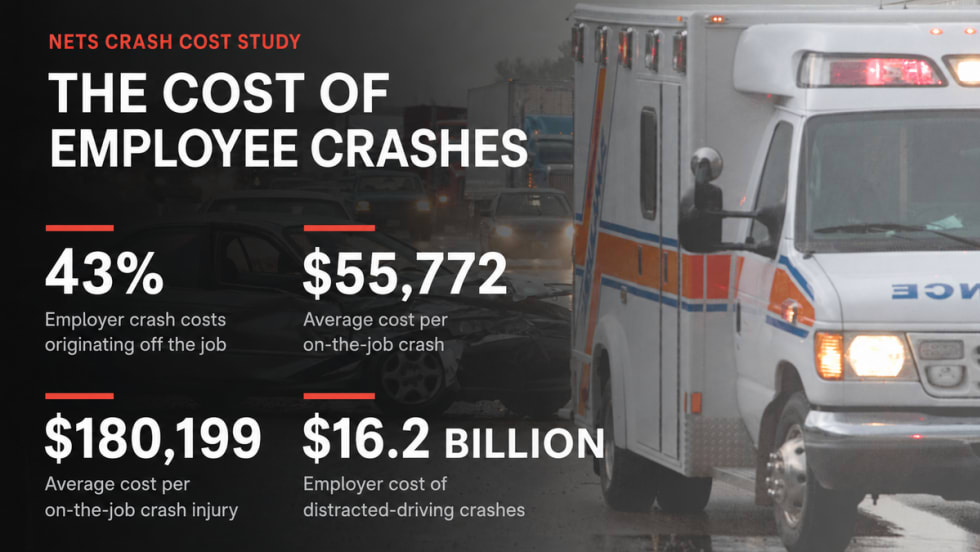
Off-the-Job Crashes Account for 43% of Employers’ $61.7 Billion Crash Burden
NETS quantifies costs dispersed across fleet, risk, HR, and other departments while providing new per-crash benchmarks for employers.
Read More →
Ram Recalls More Than 1.27 Million 1500 Pickups for Seat Belt Anchor Issue
The recall affects certain 2019-2026 Ram 1500 pickups that may have improperly attached second-row seat belt buckle anchors.
Read More →
How Better Visibility Cut Speeding Violations by 48%
Fleet leaders don't need more data, they need clearer visibility into what the data is saying. This case study explores how one utility replaced speeding-event counts with a single metric — miles driven in violation — to strengthen safety and significantly reduce speeding violations.
Read More →
Operation Safe Driver Week: Why the Industry's Oldest Safety Campaign Still Matters to Fleets
A look at how a 2007 enforcement initiative became one of the most consequential weeks on the fleet safety calendar, and what it means for your drivers in 2026.
Read More →