





2023 Update: Survey - 37% of U.S. Drivers Texted Behind the Wheel in Past Month
Texting While Driving: A Major No-No!
Texting while driving, one of the latest forms of driver distraction, poses significant accident risks and has gained the attention of lawmakers developing anti-texting laws.
January 15, 2009
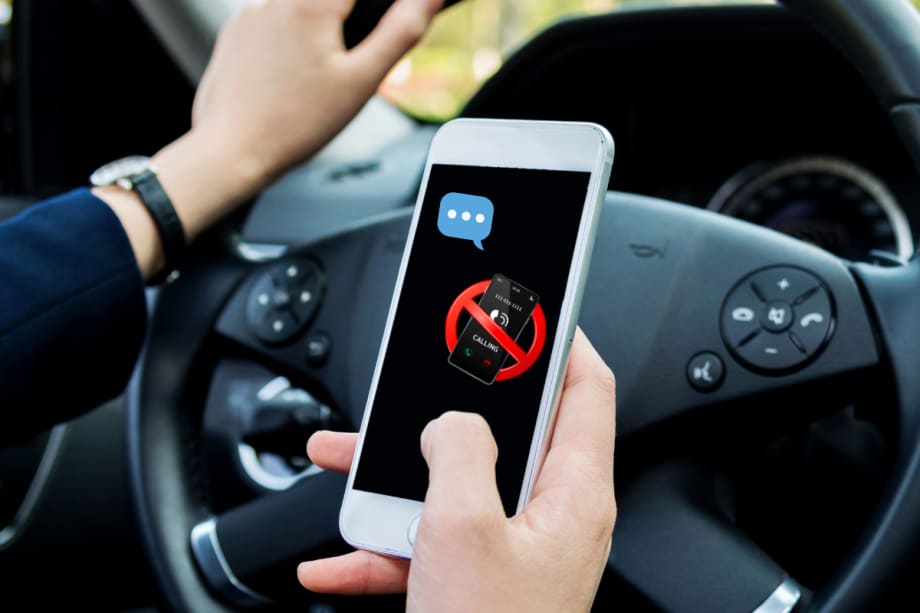
Cell phones with text-messaging capabilities further increase the risk of driver distraction.
Photo: Automotive Fleet
3 min to read
Driving while texting on an electronic device is the major driver distraction danger.
A study by the National Highway Traffic Safety Administration (NHTSA) distracted driving is dangerous, claiming 3,522 lives in 2021. According to a NHTSA and VTTI study, the principal distraction that led to vehicle crashes include:
Cell phone use.
Reaching for moving objects inside the vehicle.
Looking at an object or event outside of the vehicle.
Reading while driving.
Applying makeup.
Cell phones with text-messaging capabilities further increase the risk of driver distraction.
In December 2006, a 71-year-old woman was awarded $4.1 million because a company driver ran a red light. He was distracted by his BlackBerry’s navigation, which he was using to help locate his destination, and crashed into the woman, leaving her with serious and permanent injuries. The situation would have been avoided had the driver kept his eyes on the road and both hands on the steering wheel.
Safety Concerns Keep Fleets on Guard
Increasingly, fleet managers rank driver safety among their top two challenges (after the cost of fuel). One reason for heightened concern, fleet managers report, is an increase in preventable accidents, with the root cause of driver distraction. A contributing factor to these preventable accidents is the increased workload of company drivers.
Drivers multitasking while operating their company cars has become a common practice and is a major factor in driver distraction. Use of text messaging while driving is a dangerous habit. Drivers who engage in mobile texting spend about 400-percent more time taking their eyes off the road and are 70% less likely to stay in their lane, according to an Australian study.
It is not uncommon to see drivers resting a cell phone on top of the steering wheel while using their thumbs to tap in a text message. A driver talking on a cell phone can watch the road, but someone responding to a text message must stare at his or her hands.
In May 2007, the state of Washington passed the nation’s first driving while texting (DWT) ban, followed by New Jersey and the City of Phoenix. Washington’s state legislators took action after a 53-year-old male driver, checking his e-mail, caused a five-car pileup on Interstate 5 outside Seattle in December 2006, said state representative Joyce McDonald. “I was able to use that accident and show it wasn’t just young people doing this.”
California enacted a cell phone law last July prohibiting driving while talking on handheld cell phones. State Senator Joe Simitian of Palo Alto, Calif., subsequently introduced a new bill to ban adult DWT. The state of California already prohibits 16- and 17-year-olds from using any device to talk or text while driving.
“Cell phones are the number one cause of distracted driving accidents in California. And accidents by drivers using handheld cell phones outnumber those driving hands-free by a ratio of something like 15 to one. The difference between hand-held and hands-free is the difference between life and death,” Simitian told Palo Alto Weekly.
In 2007, the City of Phoenix jumped on the DWT ban bandwagon and Scottsdale also is considering such a ban.
Scottsdale Transportation Commission member condemned the practice of DWT, calling it “per se dangerous,” “intolerable,” and “unsafe.”
Bottom Line on Texting & Cell Phone Distractions
Text messaging is fine when you’re sitting at an airport or at home, but not while driving.
Fleets need to get ahead of the curve and proactively prohibit this activity. Drivers need to be placed on notice that there is zero tolerance to use these devices while driving a company vehicle. This is not only to safeguard the company and its assets, but also to protect the employee, a company’s greatest asset.
Subscribe to Our Newsletter
More Safety
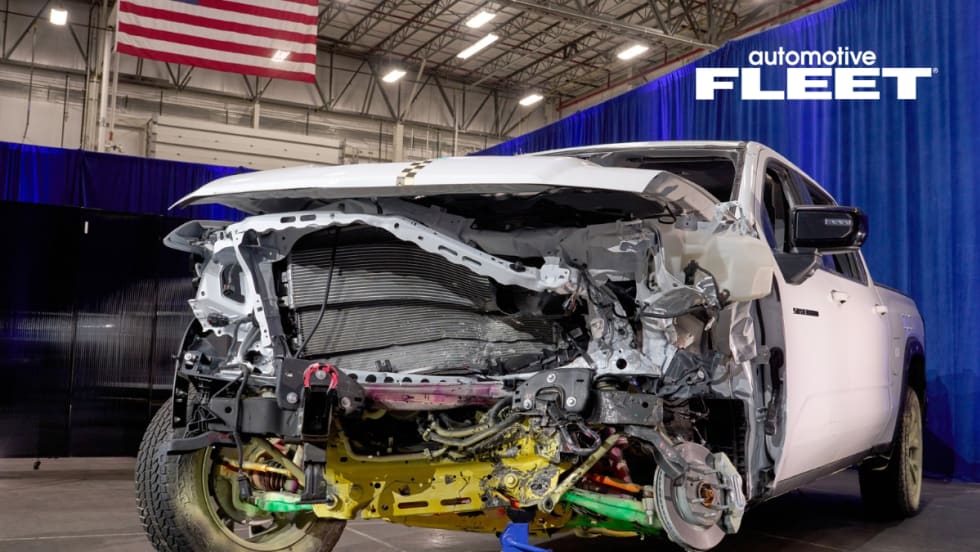
GM Conducts 92,000 Virtual Crash Tests for 2027 Chevrolet Silverado 1500
General Motors used computer simulations to evaluate crash scenarios, occupant protection and vehicle design variations before conducting physical crash tests.
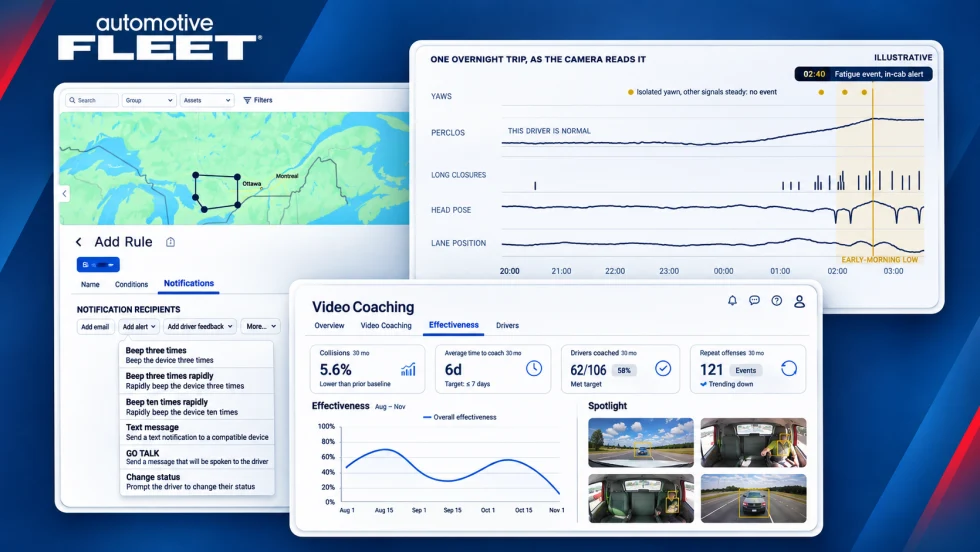
Geotab Adds AI-Powered Driver Coaching and Fatigue Detection Features
New capabilities include fatigue monitoring, two-way audio, coaching effectiveness analytics and location-based privacy controls for fleet safety management.
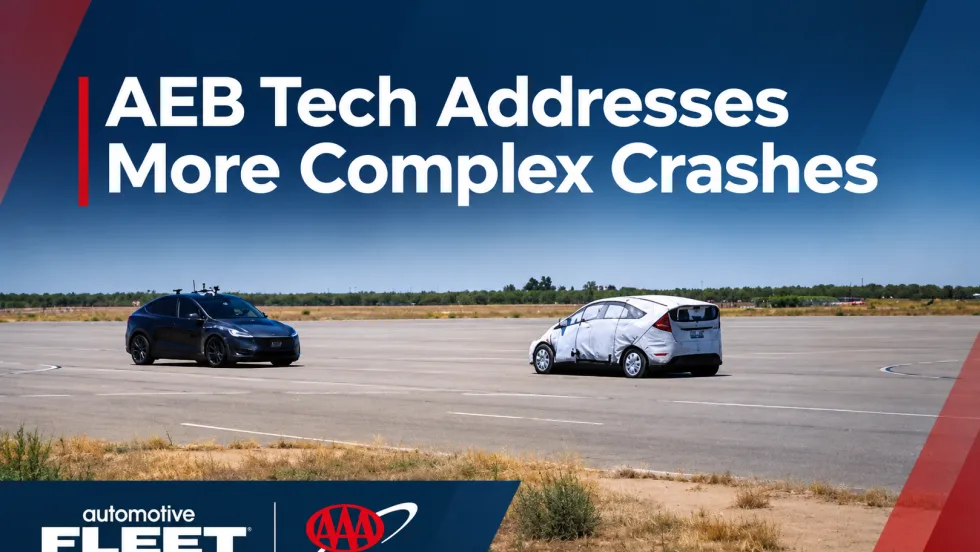
AAA Testing Finds Gaps in Intersection AEB Crash Prevention
Testing of four 2026 model-year vehicles found that automatic emergency braking prevented collisions in standardized intersection scenarios, but three vehicles failed to avoid crashes when another vehicle turned into their path.
Which Fleet Types Have the Highest Severe Speeding Rates?
New research from SambaSafety finds significant differences in speeding rates across fleet industries, even as nearly 90% of surveyed fleets report using telematics.
When a Cyberattack Hits Your Fleet: What Happens Next?
“You have two opportunities to test your plans: when you choose or when the threat actor chooses.” A cybersecurity expert reveals what fleet managers need to know before a cyberattack puts their operations at risk — and why the decisions made in the first moments can shape the entire recovery.
Tips for Driving Safely on Halloween Night
This video features a reminder from the Connecticut Department of Transportation (DOT) and the Connecticut Police Chiefs Association, urging drivers to prioritize safety this Halloween.
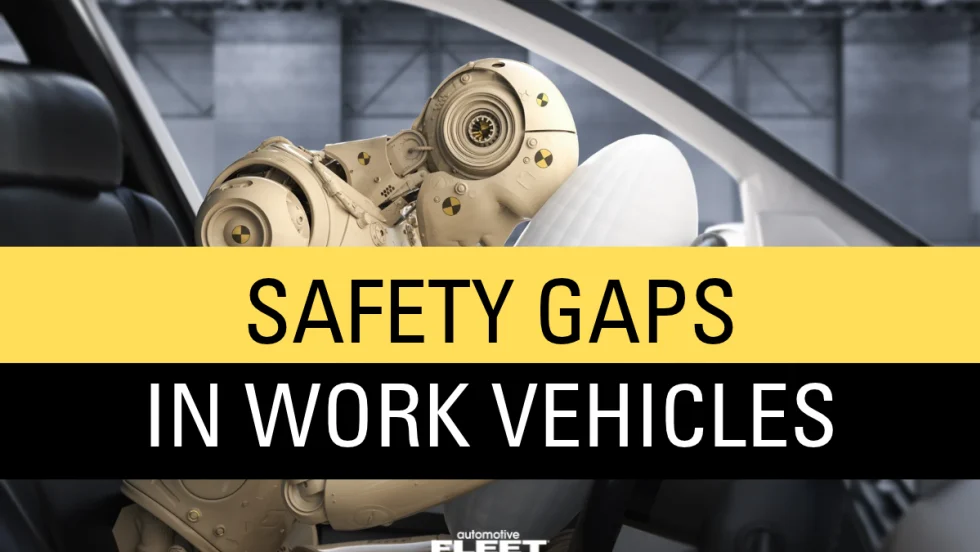
IIHS Crash Avoidance Tests Reveal Safety Gaps in Cargo Vans and Work Trucks
New IIHS crash avoidance ratings show uneven performance among cargo vans and heavy-duty pickups, with most struggling to avoid vehicle-to-vehicle collisions.
What’s Next for Fleet? Safety, AI & Industry Recognition | AF News Recap
Could your company's culture be encouraging distracted driving? This week, we're exploring how workplace expectations affect driver safety, what AI, EVs, and autonomous vehicles could mean for the future of fleet management, and how fleet professionals can strengthen their award nominations.
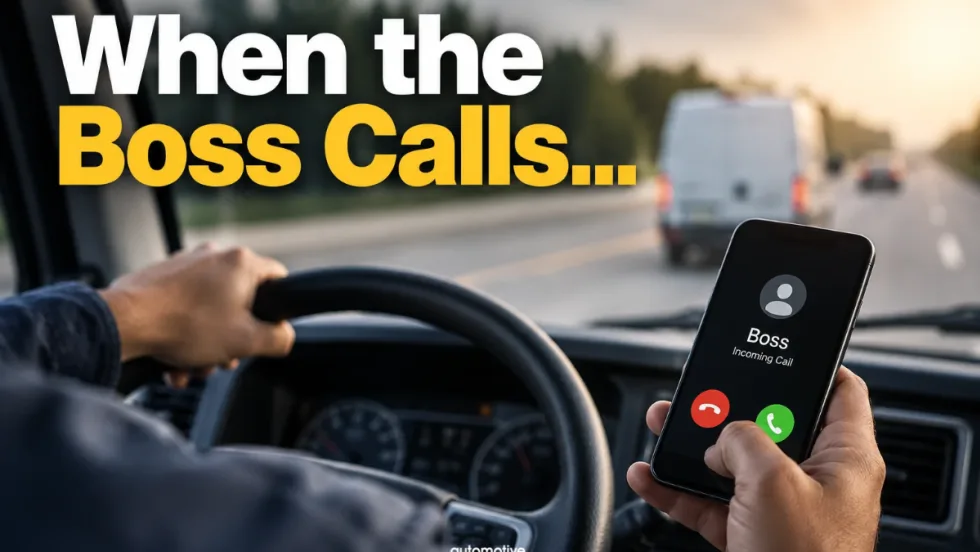
Does Your Fleet's Culture Encourage Distracted Driving?
What happens when the people responsible for enforcing safety rules are the ones setting the wrong example? The answer may reveal why some of the biggest risks to fleet drivers have little to do with what's written in the employee handbook.
Sponsored•October 1, 2026
Fleet Manager’s Ultimate Playbook: Navigating the New Standard in OEM Connectivity
Rising operating costs, driver safety concerns, and unplanned downtime are putting unprecedented pressure on modern fleets. Discover how fleet managers use embedded OEM connectivity and real-time vehicle data to cut TCO, prevent downtime, and protect drivers without aftermarket telematics hardware.