




GM to Launch 20 EVs by 2023
General Motors will add two battery-electric vehicles to its lineup in the next 18 months as part of its plan to roll out 20 such vehicles by 2023, the company has announced.
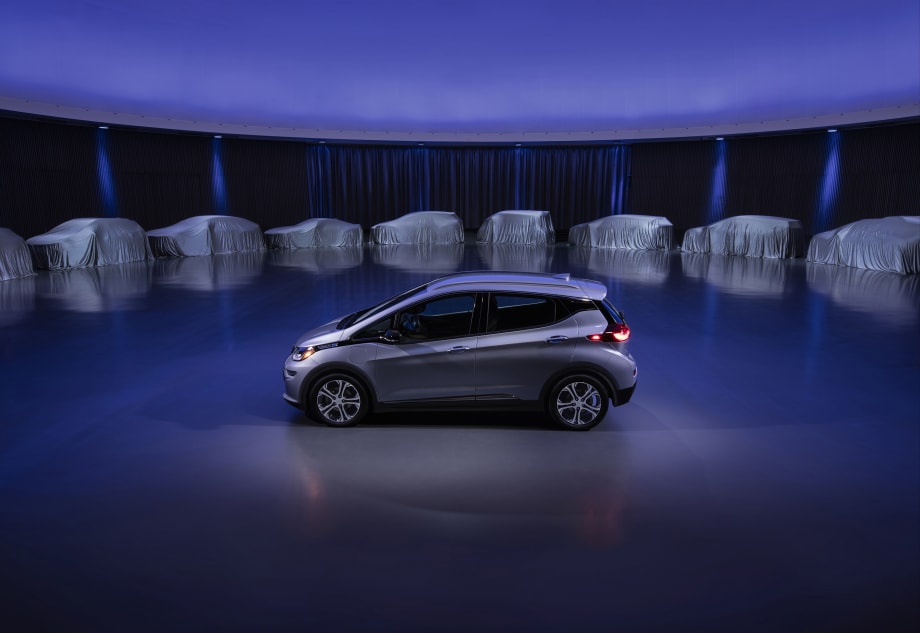
Photo courtesy of GM.
Photo courtesy of GM.
General Motors will add two battery-electric vehicles to its lineup in the next 18 months as part of its plan to roll out 20 such vehicles by 2023, the company has announced.
While the initiative will lean heavily on electrification, General Motors will also employ hydrogen fuel cell technology as as part of a two-pronged approach "depending on the unique requirements," according to an announcement.
The new battery-electric vehicles that will arrive in the next 18 months will be "based off learnings from the Chevrolet Bolt EV," according to GM.
"General Motors believes in an all-electric future," said Mark Reuss, GM's executive vice president of product development, purchasing and supply chain. "Although that future won't happen overnight, GM is committed to driving increased usage and acceptance of electric vehicles through no-compromise solutions that meet our customers' needs."
GM also introduced SURUS (Silent Utility Rover Universal Superstructure) — a fuel cell powered, four-wheel steer concept vehicle on a heavy-duty truck frame that's driven by two electric motors. With its capability and flexible architecture, SURUS could be used as an emissions-free delivery vehicle, truck or even an ambulance, according to GM.
More Green Fleet
New Propane Autogas Program Offers Fleet Compensation
Qualified commercial fleets can receive $7,500 per eligible propane autogas vehicle and up to $10,000 for new refueling site prep. Learn how the program works and see whether your fleet qualifies.
Read More →
EV Charging Use Is Outpacing Infrastructure Growth
ChargePoint’s 2026 Charging Forward Report points to rising charger use, higher-powered charging, commercial vehicle electrification, and energy-management technology. Here’s what fleets should know.
Read More →
Merchants Fleet Reports 290M EV Miles as Fleets Navigate Changing Electrification Market
From millions in operating savings to hundreds of millions of EV miles, Merchants Fleet’s latest report reveals what’s working and what’s changing in fleet electrification.
Read More →

The EV Breakdown Nobody's Talking About: Why Most Electric Vehicle Roadside Calls Aren't Mechanical Failures
Here's why EV breakdowns are widely misunderstood.
Read More →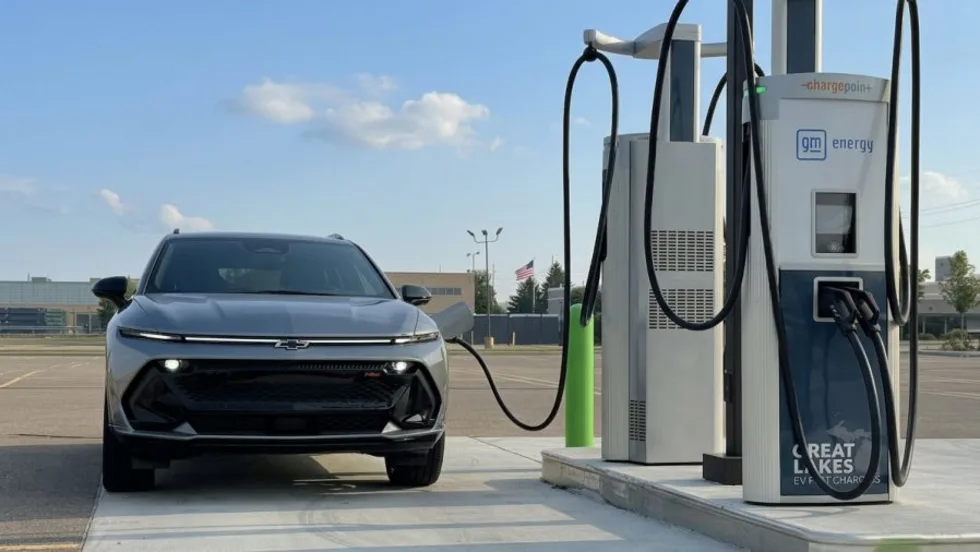
ChargePoint Now Available in Energy Pass
ChargePoint and additional planned charging network integrations were added to GM's Energy Pass.
Read More →

First Look: Slate Auto's Electric Fleet Pickup
Could an affordable, modular EV pickup make electrification more practical for fleets?
Read More →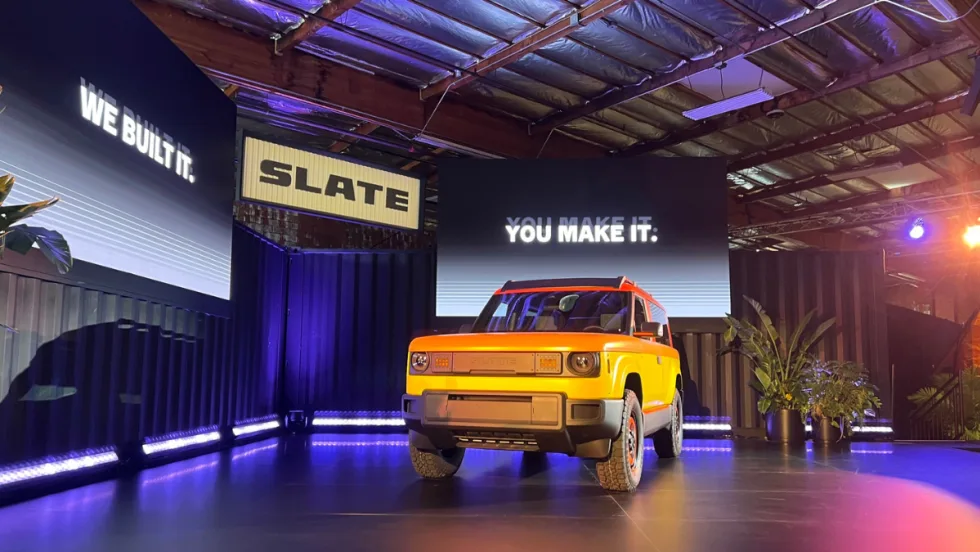
Slate Debuts Colorful, Unique EV Models
A recent media and client event, studded with electric vehicles dressed up on platforms, planted a new position for the manufacturer in the wider EV market. Fleets will find cost-saving advantages.
Read More →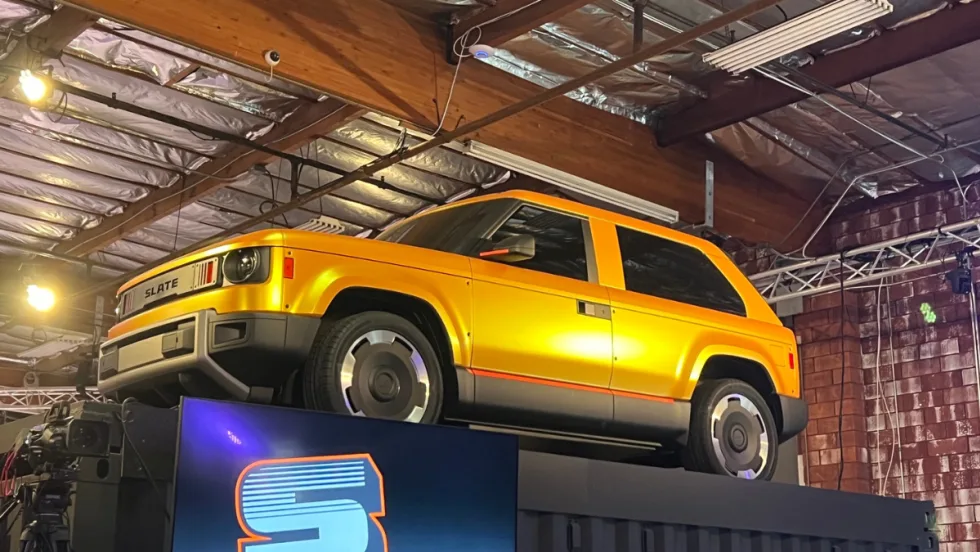
Slate Electric SUV, Pickup Switchable Model Aims For Light-Duty Fleets
Everything about this EV is counterintuitive and understated, making it stand out from the crowd.
Read More →
Inspiration Mobility Acquires Key Electrada Assets
Inspiration Mobility Group has acquired select assets of Electrada, adding the fleet electrification provider's team, technology, and charging infrastructure development capabilities to its energy management business.
Read More →